Choosing the Right Geotextile for Soil Reinforcement
In Eastern India, soil rarely behaves the way textbooks promise. In Kolkata, Howrah, Hooghly, or the riverine belts of West Bengal, soil conditions change every few kilometres. Clayey stretches, silty river deposits, high groundwater, and long monsoons all shape how foundations, roads, and embankments actually perform. Choosing the right Geotextile for Soil Reinforcement is not a theoretical decision here. It is practical, often urgent, and closely tied to long-term performance.
In practice, most failures happen not because geotextiles are used, but because the wrong one is chosen.
What soil reinforcement really means on Indian sites
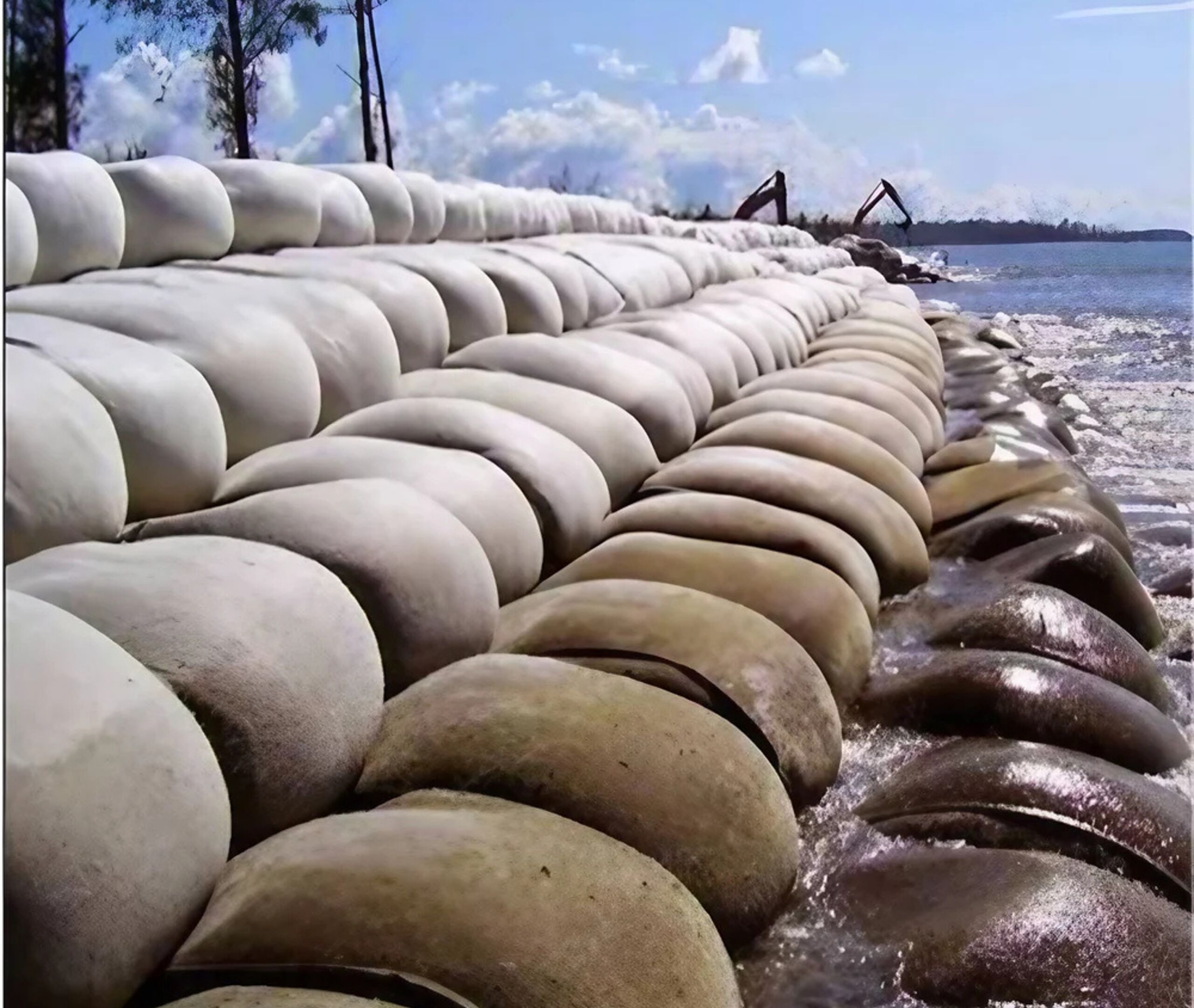
Soil reinforcement is not only about adding strength. It is about controlling movement. Weak subgrades tend to rut, pump water upward, or lose shape under repeated load. In West Bengal, this is commonly seen in approach roads, low-lying industrial plots, and temporary access roads near canals or wetlands.
A geotextile works when it spreads load, separates layers, and allows water to move without carrying soil along. The balance between strength and permeability is where decisions get interesting.
Woven vs non-woven: why the difference matters
Woven polypropylene geotextiles are typically chosen for reinforcement because of their high tensile strength. On road projects, embankments, and rail corridors, this strength is not optional. It prevents lateral soil movement and reduces deformation under load. On clayey or silty subgrades around Kolkata, woven fabrics are often the safer choice when traffic loads are high.
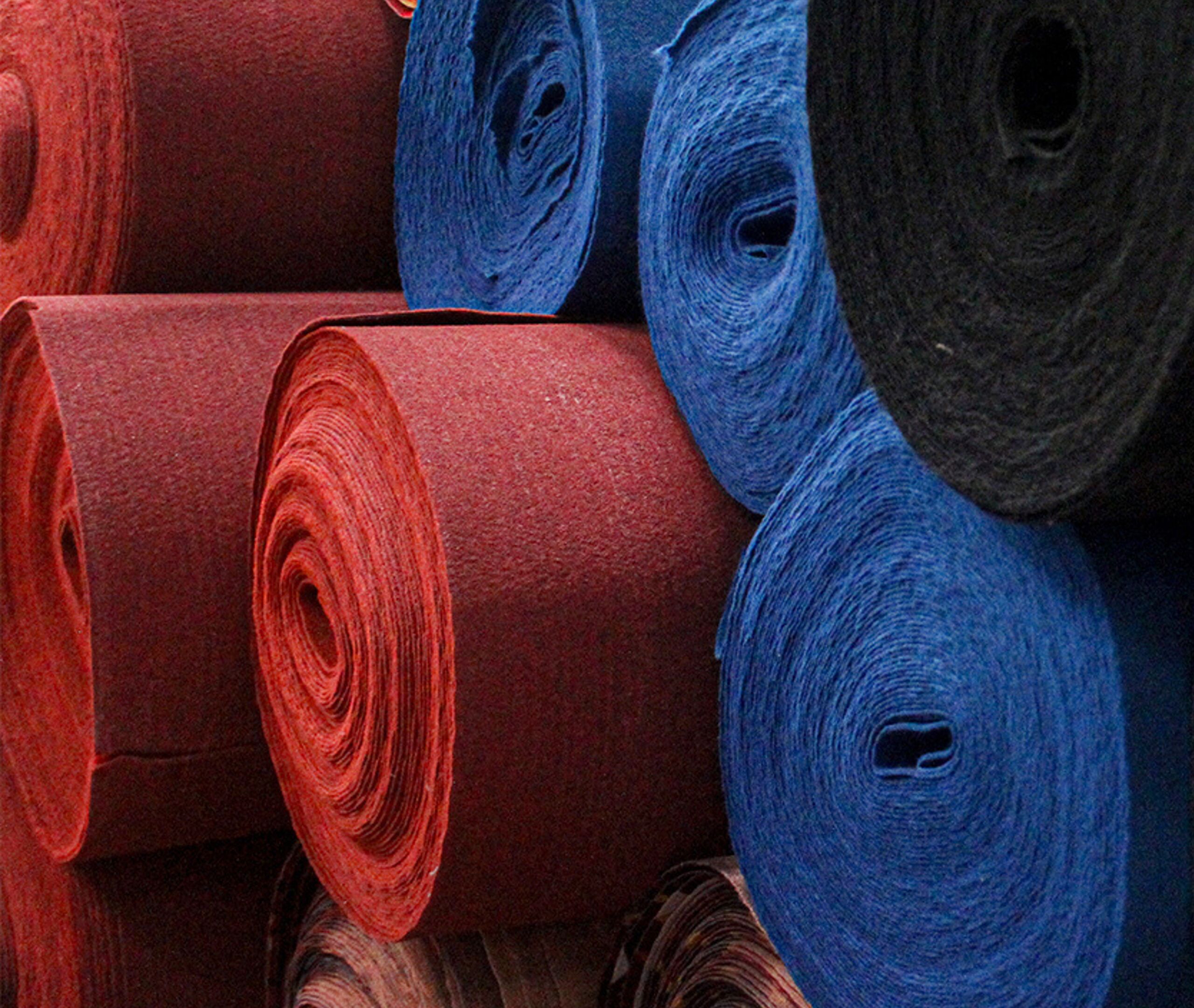
Non-woven needle-punched geotextiles behave differently. They excel at filtration and drainage. In drainage heavy zones, landscaping works, or erosion-prone areas near water bodies, non-woven fabrics allow water to pass while holding soil in place. This is especially useful in areas with persistent waterlogging during the monsoon.
In real projects, the mistake is using non-woven material where reinforcement is actually needed, simply because it feels more flexible or cheaper.
` Reading the soil before choosing the fabric
Soil testing reports are often ignored on smaller sites. That is a mistake. Soft or weak soils, common in reclaimed land or old marsh zones around East Kolkata, demand higher tensile strength to prevent rutting. Sandy soils behave better but still need separation to avoid intermixing.
Clay soils, on the other hand, hold water and expand. Here, non-woven geotextiles help manage pore pressure while maintaining separation. This decision is less about product type and more about understanding how water behaves below the surface.
Environmental and material considerations in India
India’s climate punishes materials. UV exposure, temperature swings, and chemical content in soil all matter. Good geotextiles must resist degradation over time. This is why products that meet ASTM or ISO standards are worth insisting on, even if the initial cost is higher.
Jute geotextiles still have a role. In temporary erosion control, slope protection, or short-term landscaping, jute remains practical, biodegradable, and locally available. It is not a replacement for polymer geotextiles, but in the right context, it works well.
Manufacturers who understand these conditions make a difference. Brands like Supreme Geotech design geosynthetics keeping Indian soil behaviour and climate in mind, not imported assumptions.
Where geocells quietly change outcomes
Soil reinforcement is not always about flat fabrics. Geocells provide three-dimensional confinement, especially useful on weak subgrades and slopes. Many geocell manufacturers in India now supply systems suitable for road shoulders, embankments, and load support layers.
On projects where settlement is uneven, combining geotextiles with geocells often gives better results than relying on one system alone. Experienced geocell manufacturers in India also guide installation, which is critical. Poor placement negates even the best material.
Quality, standards, and supplier credibility
In India, not all geotextiles are created equal. Variations in weight, weave, and polymer quality affect performance. Selecting products from established suppliers who test for tensile strength, puncture resistance, and permeability reduces risk.
This applies equally to geotextiles and geocells. Reliable geocell manufacturers in India usually publish specifications clearly and support engineers during design decisions. That transparency matters.
Making the decision without overthinking it
Ask two questions before finalising a geotextile. What function is most critical here? Reinforcement or drainage. Then ask what the soil will do in the worst monsoon week, not the best dry day. Those answers usually point to the right choice.
Overengineering is expensive. Underengineering is worse.
Choosing the right Geotextile for Soil Reinforcement is rarely about a catalogue comparison. It is about reading the ground, respecting local conditions, and selecting systems that quietly do their job for years. For projects in and around West Bengal, speaking with professionals who understand regional soil behaviour can often clarify choices faster than any specification sheet.
FAQs
Which geotextile is best for weak soil reinforcement in India?
Woven polypropylene geotextiles are commonly preferred due to their high tensile strength and durability under load.
Are non-woven geotextiles suitable for road construction?
They work well for drainage and separation but are not ideal as primary reinforcement for heavy traffic loads.
Can jute geotextiles replace synthetic ones?
Only for temporary erosion control or short-term applications, not long-term structural reinforcement.
How do geocells help in soil reinforcement?
They provide three-dimensional confinement, improving load distribution and reducing settlement on weak soils.