
Geo Bags Installation: A Field Guide for Engineers
Geo Bags are widely used in flood control, erosion prevention, and coastal protection in civil and environmental engineering. The bags are an effective and inexpensive means of safeguarding water and land structures as they are constructed from robust geotextile materials.
For the engineers, the long-term performance must be guaranteed by following correct installation. Installation procedure, the critical factors, and the importance of dealing with reputable Geo Bags Manufacturers in India are all covered in this post.
Understanding Geo Bags
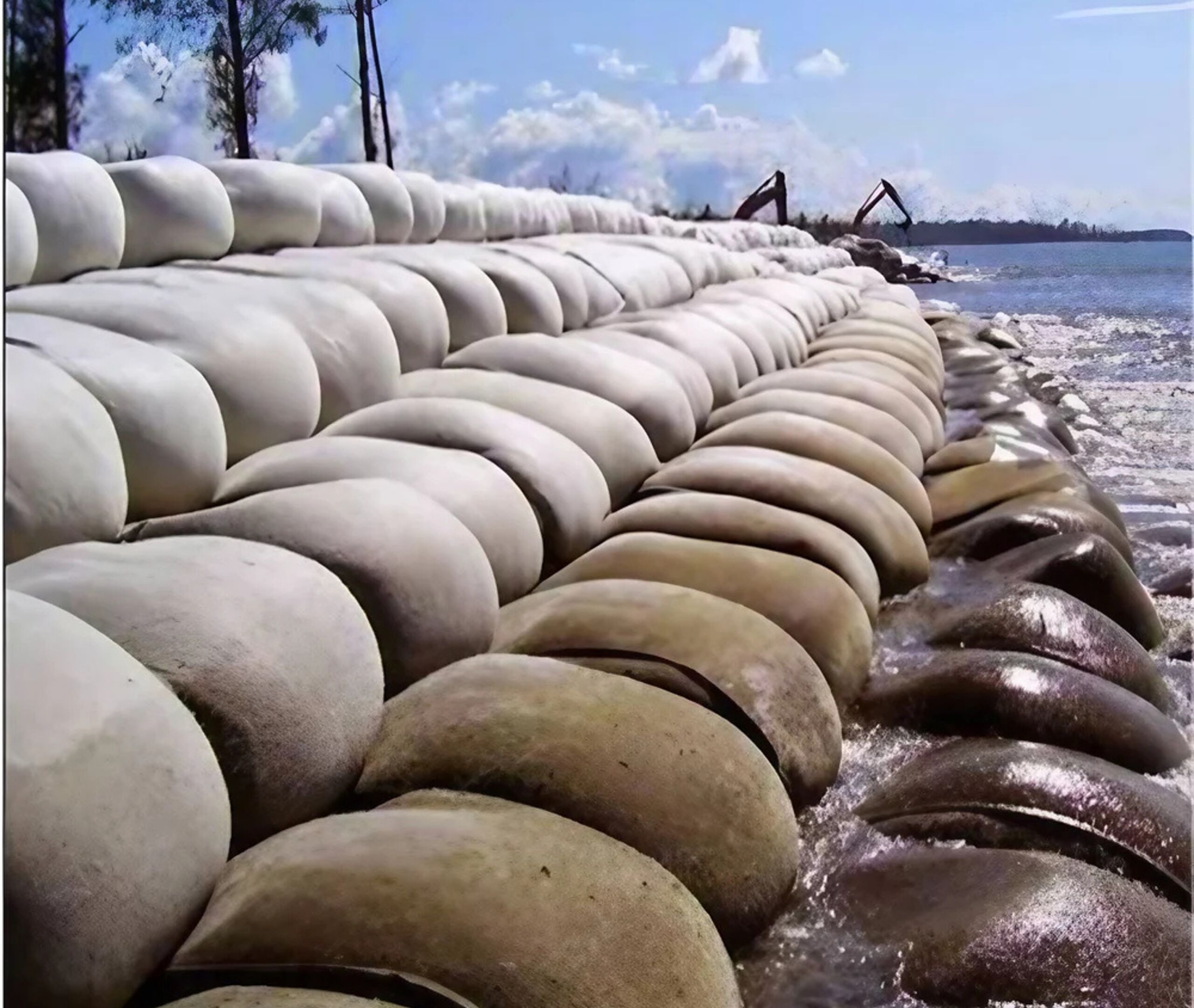
Larger “Geo Bags” are constructed of woven or non-woven Geo Bags fabric and are generally sand-filled or soil-filled. They are utilized as soil, wave, and water current barriers. They are utilized by engineers in:
- Protection of riverbanks,
- Coastal embankments
- Flood defence systems
- Land reclamation initiatives
Pre-Installation Planning
Designer should have to design the process carefully prior to the installation of the Geo Bags. The key steps are:
1. Site assessment: Look for types of soil, water flow and the level of erosion that has occurred.
2. Design Aspects: Engineer can decide based on the size and kind of non-woven geo bags needed for the site.
3. Material Selection: The strength comes in the form of sourcing high-quality bags from prominent Geo Bag manufacturers in India.
4. Training of Staff: The installation team should be trained in using and stacking the bags properly.
Step-by-Step Installation Process
1. Site Preparation
Clear the surface of debris and grade the beach or ground upon which Geo Bags are to be installed. Graded base improves stability and minimizes displacement.
2. Filling the Bags
Easily available local dirt, sand, or dredging material is filled into bags. Filling must be uniform to retain strength. Underfilling and overfilling will lead to deformation.
3. Stitching and Sealing
Geo bags that are non-woven need to be properly sewed. Double or triple stitching using UV-resistant thread extends the bag’s lifespan and prevents leaks.
4. Placement of Bags
The bags are placed (by crane (on large jobs) or by hand) carefully into position. Side by side according to the engineer’s pattern to get maximum overlap and no cracks.
5. Layering and Alignment
More layers of Geo Bags may be necessary for better protection. For an edifice to be secure, builders have to ensure it is straight.
6. Quality Control
To make sure the bags are properly filled, sewn, and positioned, routine inspections are necessary. Replace any bags that are damaged right away.
Best Practices for Engineers
1. For long-term performance, only place high-quality, non-woven geo bags.
2. Prevent tears by keeping pointed tools, broken glass, and any cutting edges away from the work area.
3. Conduct all placement operations only on wind and water velocity risk-free days.
4. Conduct fortnightly visual and tactile inspections during the rain season to verify that the structure is in position and functioning as required.
5. Select and purchase bags from Indian suppliers with established project success and confirmed raw-material performance.
6. When project teams meet these requirements, they offer a sound foundation for sediment control and shoreline stabilization.
Applications of Geo Bags
Because of its adaptability, engineers are using Geo Bags increasingly. Among the most significant uses are:
1. Flood Protection: In an emergency, erecting makeshift barriers.
2. Coastal protection: Keeping shorelines from being eroded by sea waves.
3. Increasing the banks: Resistance to water flow is known as riverbank stabilisation.
4. Reclamation Projects: These aid in stabilising the soil during land development.
Their cost-effectiveness and environmental friendliness make them a favourite choice worldwide.
Why Work with Trusted Manufacturers
Quality of material directly impacts the success of a project. Conducting business with good Indian geo bag manufacturers assures:
1. High pressure resistance
2. Custom sizes according to project requirement
3. UV-resistant materials for higher lifespan
4. Good stitching and sealing
Low-quality bags will burst under pressure and lead to expensive failure of the project. Engineers hence always need to ensure the reliability of the supplier.
Conclusion
For geosynthetic solutions of greater quality, Supreme Geotech is a name that stands out. As one of the best Geo Bags Manufacturers in India, it offers high-quality and reliable Non-Woven Geo Bags that are standardized for global quality. Supreme Geotech provides engineers with the latest products utilized in erosion control, riverbank stabilization, and flood control. As it emphasizes quality and customer satisfaction, the company has earned trust in infrastructure and environmental projects.
FAQs:
What are the materials used for Geo Bag production?
Geo Bags are generally constructed of woven or non-woven geotextile fabric, which is durable and resistant to water flow and UV radiation.
Are Geo Bags reusable after being installed?
Geo Bags are generally made for long-term stability in one place. After installation, they are not reused but remain permanent protectors.
What is Non-Woven Geo Bags' superiority over woven bags?
Non-woven geo Bags filter better and are more flexible, which makes them appropriate for erosion control and shoreline defence projects.