
Geotextile Fabric for Waterproofing: Benefits & Applications
In Eastern India, waterproofing is rarely a cosmetic decision. It is a survival one. Anyone who has worked on basements in Kolkata, drainage lines near the Hooghly belt, or road subgrades in South 24 Parganas knows how unforgiving water can be. Geotextile Fabric for Waterproofing has quietly become a practical layer of defence in such conditions, not because it is fashionable, but because in practice it works.
This is especially true in West Bengal’s mix of high groundwater tables, prolonged monsoons, clay-heavy soils, and dense urban construction. Here, waterproofing fails are expensive and emotionally draining. The aim is not perfection. It is control.
Why waterproofing fails so often in Eastern India
Waterproofing problems here usually begin underground. In Kolkata and the surrounding districts, soil retains moisture for long periods. Water does not drain easily. Traditional membranes crack, shift, or get punctured during backfilling. Once compromised, repairs are intrusive and disruptive.
This is where Geotextile Fabric for Waterproofing plays a supporting but critical role. It does not replace membranes. It protects them. It manages water movement. And it keeps systems stable under real site stress, not lab conditions.
In practice, many failures we see are not material failures. They are system failures.
What geotextile fabric actually does in waterproofing systems
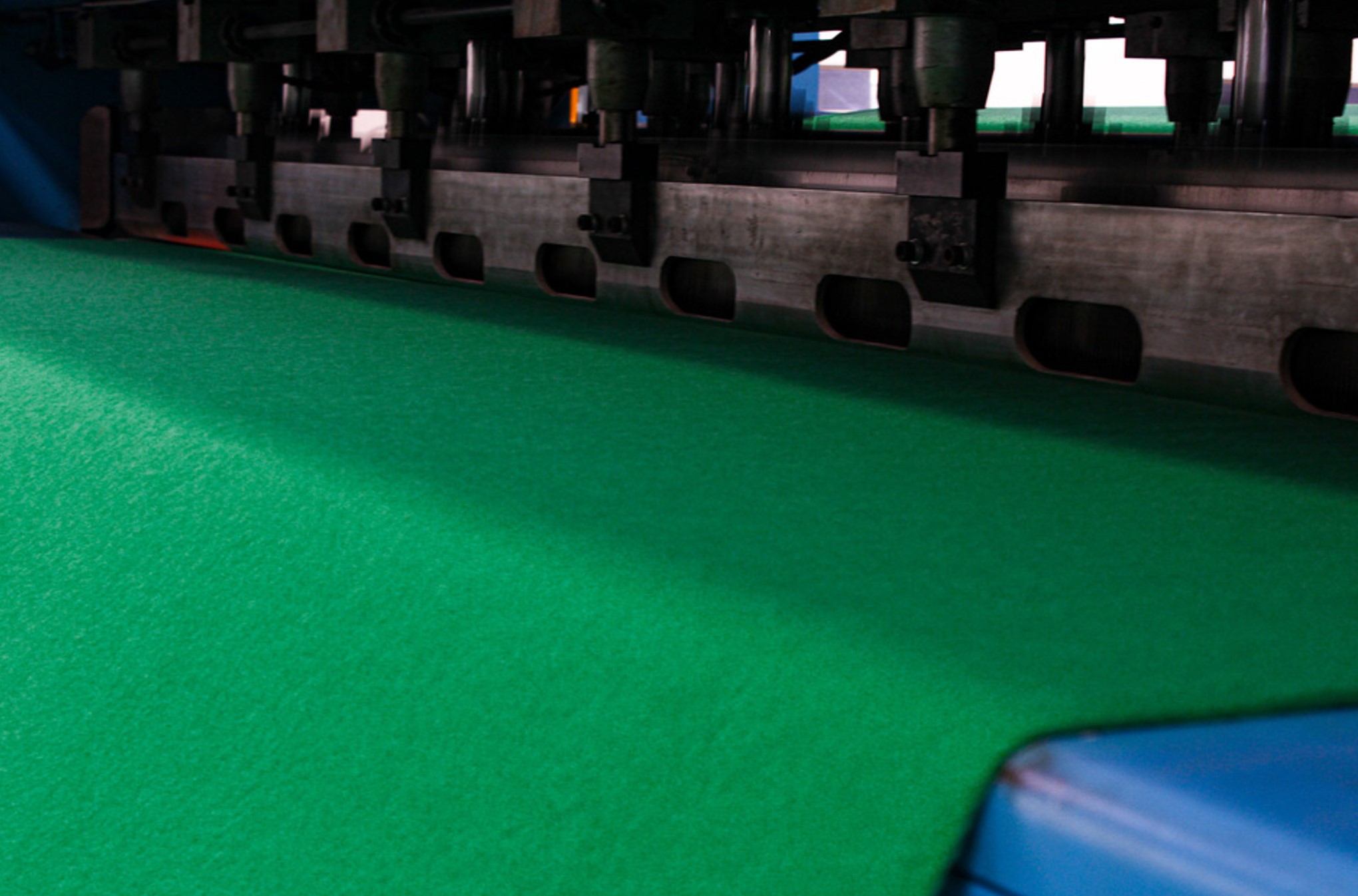
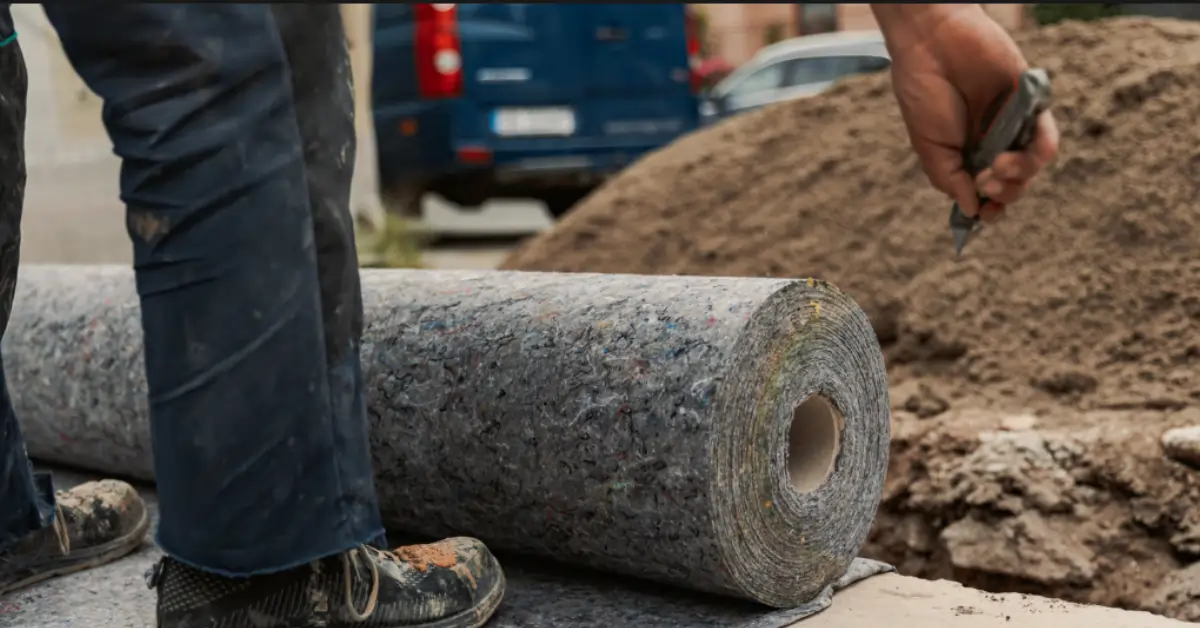
Geotextile fabric is often misunderstood as a simple sheet. On-site, it behaves more like a filter, separator, and cushion rolled into one. When used correctly, it allows water to pass while preventing soil particles from migrating.
This matters because clogged drainage systems are the silent killers of waterproofing layers. In basement walls, podium slabs, canals, or landfills, geotextiles ensure water pressure does not build up where it should not.
Supreme Geotech’s geotextile fabrics are engineered with consistent pore size and tensile strength, which is crucial in Indian construction environments where loading conditions are rarely uniform.
Applications commonly seen around Kolkata and West Bengal
Across Eastern India, Geotextile Fabric for Waterproofing is commonly used beneath geomembranes in canals, ponds, and water reservoirs. It is also widely applied in retaining walls, embankments, and road subgrades where moisture control is essential.
In urban Kolkata, basement waterproofing systems increasingly rely on geotextiles as protection layers. In peri-urban areas like Rajarhat or Baruipur, stormwater drains and low-lying developments benefit from geotextile-wrapped drainage trenches.
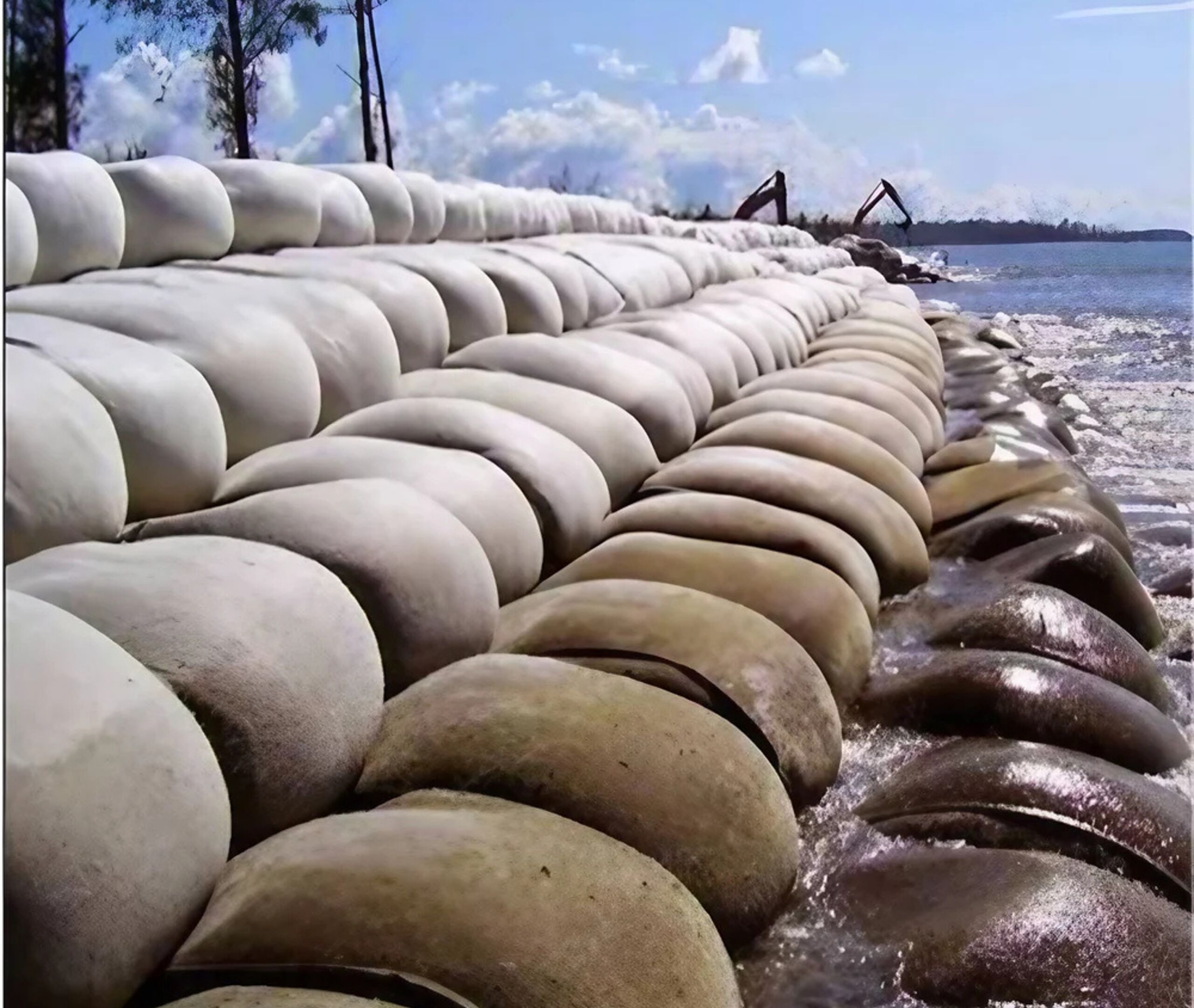
Infrastructure projects often integrate geotextiles alongside geocells and geobags, particularly in erosion-prone zones near rivers and coastal belts. It is not accidental that many geocell manufacturers in India now work closely with geotextile suppliers for integrated solutions.
Why quality and specification matter more than price
One uncomfortable truth. Cheap geotextiles are expensive in the long run.
Non-uniform thickness, inconsistent permeability, and poor UV resistance lead to early degradation. In West Bengal’s climate, where humidity never really leaves, material fatigue shows quickly.
Supreme Geotech’s focus on application-specific geosynthetics reflects an understanding that waterproofing is not a one-size solution. This approach aligns with how experienced geocell manufacturers in India design reinforcement systems based on soil behaviour, not just load values.
When geotextiles fail, they usually fail quietly. By the time seepage appears, the damage is already layered.
Integration with other geosynthetics
Modern waterproofing systems rarely rely on a single product. Geotextiles are used alongside geomembranes, geocells, and geobags to form composite barriers.
In riverbank protection projects across Eastern India, geotextile-lined geobags help manage both seepage and erosion. In road projects, geotextiles work beneath geocells to maintain separation and drainage.
This integrated thinking mirrors trends seen among advanced geocell manufacturers in India, where performance is measured across decades, not seasons.
Choosing the right geotextile for waterproofing
Selection depends on soil type, hydraulic load, installation method, and expected lifespan. Nonwoven geotextiles are often preferred for drainage and filtration, while woven variants are chosen where strength is critical.
In Kolkata’s reclaimed lands, filtration efficiency matters more than tensile strength. In industrial zones, chemical resistance becomes relevant. These decisions are best made early, not adjusted mid-project.
Waterproofing failures usually trace back to rushed choices.
A grounded way to think about waterproofing
Water will always try to find a path. The role of Geotextile Fabric for Waterproofing is not to fight water aggressively, but to guide it intelligently. That shift in thinking is why these systems last.
For projects in Kolkata and across West Bengal, it often helps to discuss site-specific conditions with professionals who understand local soil behaviour, monsoon patterns, and construction realities. Not for selling. For clarity. That usually saves more time and cost than any shortcut ever could.
FAQ
Is geotextile fabric waterproof by itself?
No. It manages water flow and protects membranes, but does not block water entirely.
Can geotextiles be used in basement waterproofing in Kolkata?
Yes. They are commonly used as drainage and protection layers in basement systems.
How long do geotextile fabrics last in Indian conditions?
Quality geotextiles can last decades when correctly specified and installed.
Are geotextiles compatible with geobags and geomembranes?
Yes. They are designed to work together in integrated geosynthetic systems.