Geotextile Fabric Sheet Price Per Square Meter: 2026 Cost Guide
Geotextile Fabric Sheet Price Per Square Meter: 2026 Cost Guide
Geotextile fabrics have widespread use in road construction, drainage systems, railways, landfilling, erosion control, and many more such infrastructure projects. It is extremely important for both the contractors and the procurement team to be aware of the geotextile fabric sheet price, as budgeting will have to be done according to that for the project.
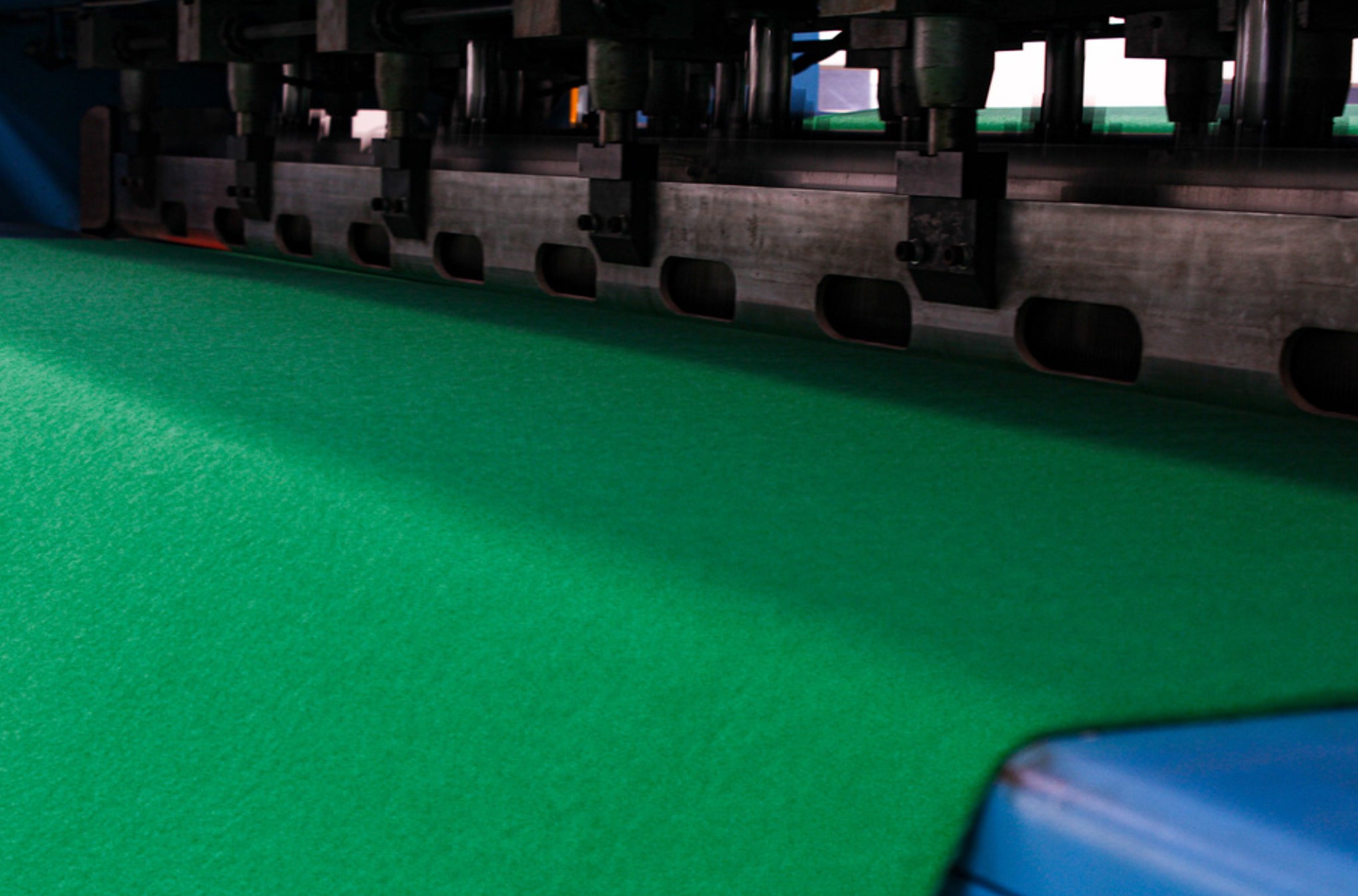
The brand under which Supreme Geotech manufactures the geotextile fabric sheets is known as SuperGeo. They produce non-woven geotextiles and use polypropylene or polyester staple fibres to manufacture the geotextile fabric sheets via needle punching technology.
What Determines Geotextile Fabric Sheet Price?
The cost differs from one sheet of geotextile to another depending on various factors.
1. GSM and Thickness
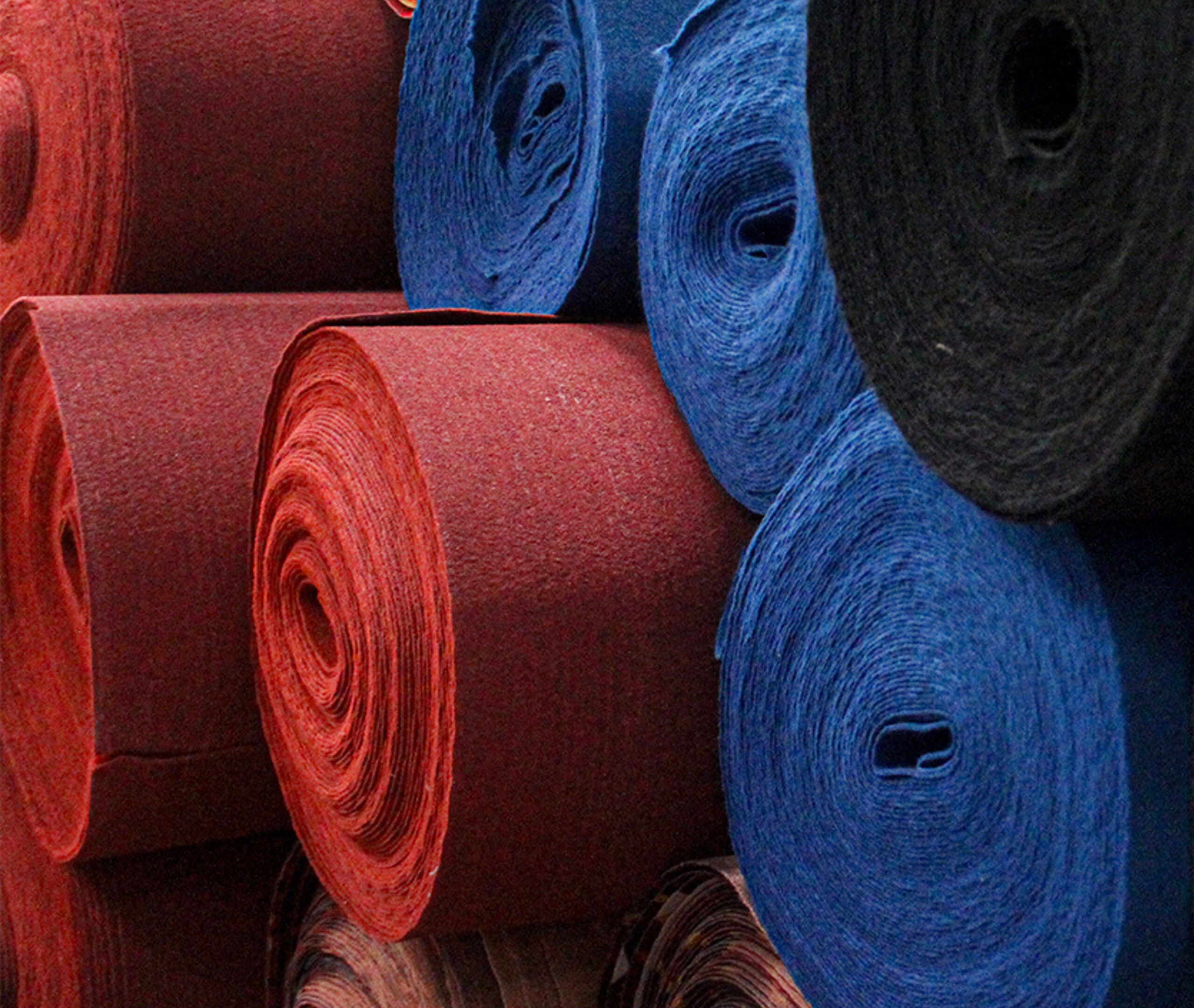
The weight of the material is measured in GSM, which stands for grams per square metre. The geosynthetic products by Supreme Geotech offer GSM from 90 up to 1,200 with thickness between 0.85 mm and 5.6 mm. Projects that require thicker fabrics will have higher costs compared to projects that require thinner ones.
2. Raw Material
The non-woven geotextile products manufactured by Supreme Geotech are made of either polypropylene or polyester staple fibres. This decision is determined by the nature of the work to be done and hence affects the geotextile fabric sheet price.
3. Fabric Width
The need for a particular width can influence the cost involved when purchasing and installing the product. Supreme Geotech produces non-woven geotextiles that come in sheets up to 5 metres wide.
4. Project Requirements
The right geotextile needs to be selected on the basis of soil, hydraulic conditions, and expected loading on the installation. Selecting a geotextile only based on the cost may not serve the purpose of its intended function. According to Supreme Geotech, geotextiles should be selected according to engineering specifications of each project.
Geotextile Fabric Cost for Road Construction
The geotextile fabric cost for road construction is determined by fabric specifications, total area needed, and transportation/installation needs.
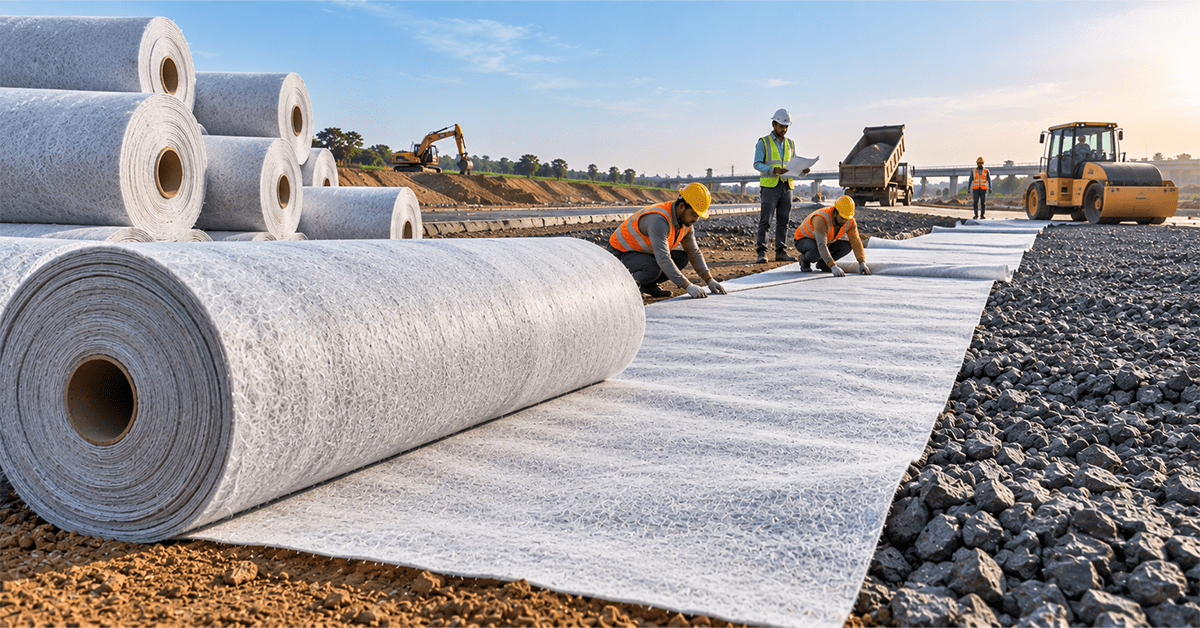
Geotextiles are commonly used in road works for the purpose of separating and stabilising the construction process. Geotextile membrane can be placed between the soil and aggregate in order to separate the two materials with water permeability. It might be helpful in maintaining the integrity of the road construction.
SuperGeo non-woven geotextiles are manufactured by Supreme Geotech for road construction and national highways, roadside footpaths, and other infrastructure projects. Drainage applications include fabrics that permit the flow of water but retain soil particles.
In the process of purchasing the fabrics, the total amount of fabric in terms of total square metres required before making price quotations is helpful. Comparing similar fabrics based on GSM, thickness, and performance requirements is equally significant as compared to price per square metre.
Understanding the Cost Beyond the Fabric
Price is not the only factor when it comes to calculating the cost of the project. Transporting, installing, cutting, and the amount of fabric that will be needed must be taken into consideration by contractors.
Take note of the right width of the fabric so that there will be less waste during cutting. The fabric must be properly installed to protect it from any form of damage before being covered. As per advice from Supreme Geotech, the installation area must first be levelled off.
Moreover, a geotextile suited for the purpose of the project can provide drainage, filtration, separation, stabilisation, and erosion control.
Why Choose Supreme Geotech?
Supreme Geotech runs a factory in proximity to Kolkata in West Bengal, having needle punching machines and testing laboratories. The SuperGeo product line comprises non-woven geotextile using polypropylene and polyester staple fibres.
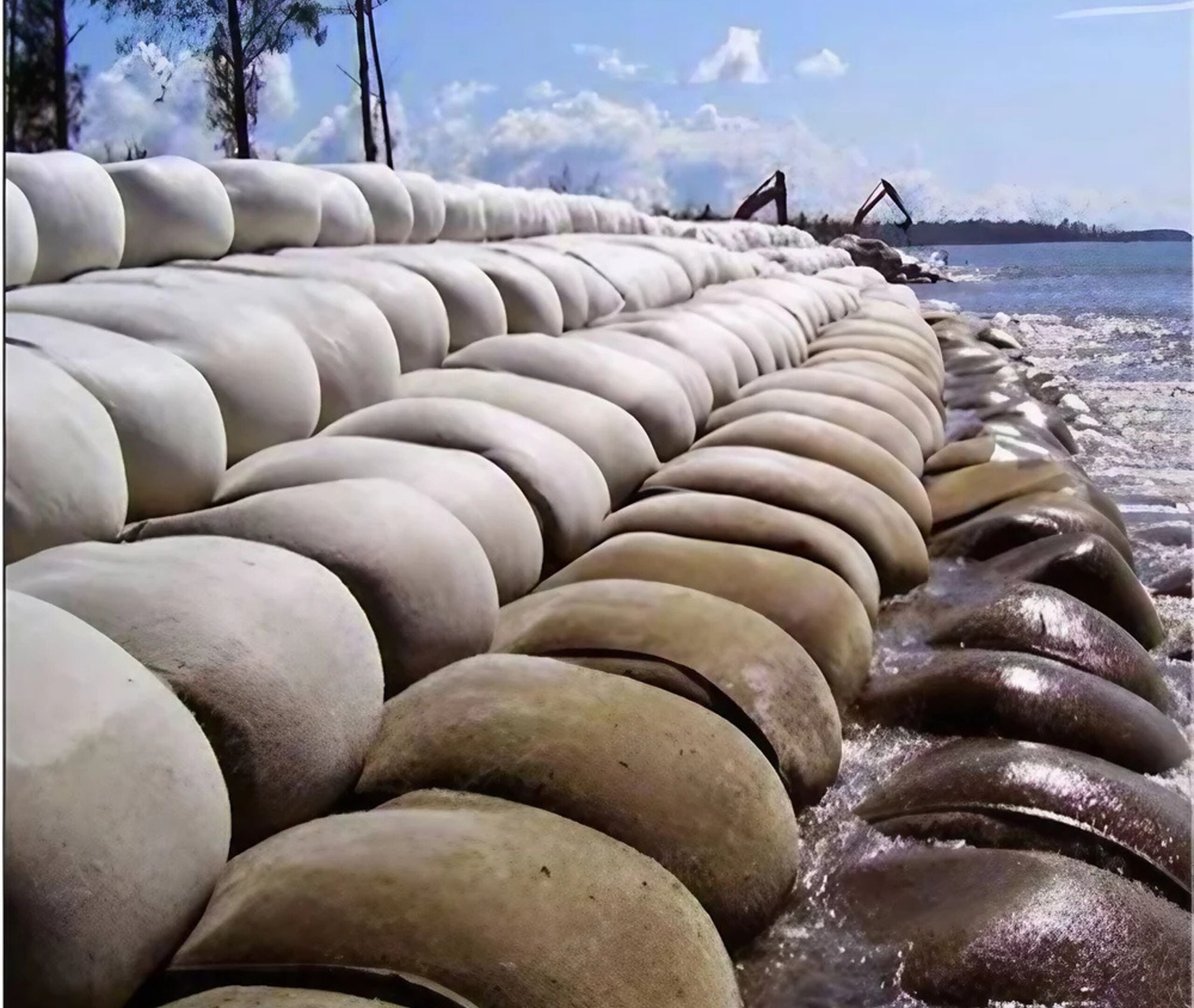
Different GSM, thickness, and width options are available as per the need of projects. Geotextiles can be used for several purposes, such as roads, railways, drainage, landfills, tunnels, ports, riverbeds, and coastal areas.
Conclusion
The geotextile fabric sheet price per sqm is dependent on the GSM, thickness, material used, width, amount required, and project requirements. Rather than choosing a product solely based on its price quote, the contractor may find it useful to check whether the fabric fulfils the functional requirements of the project.
SuperGeotech manufactures SuperGeo nonwoven geotextile with varying specifications for use in the construction of roads, drainage, soil stabilisation, filtration, and erosion control. Selecting the right specification from the initial stage will be a key step towards material and cost management.
Which GSM geotextile would suit roads?
The appropriate GSM depends on soil type, loads and the intended purpose of the fabric. The appropriate specification would depend on the engineering needs of the project, not the cost alone.
Is polypropylene geotextile or polyester geotextile less expensive?
The cost will vary depending on the specification of the product. It is important to choose the fabric depending on the needs of the project, not the cost alone.
Can geotextile fabric sheets be customised in terms of width?
Yes, geotextile fabrics come in different widths depending on the product used. The width of geotextile fabrics ranges from 5 metres as per the products mentioned above.