Geotextile Use in Coastal Restoration
India’s long coastline faces constant pressure from erosion, rising tides, and intense monsoons. In practice, coastal damage is rarely sudden. It builds year after year. This is where geotextiles play a quiet but critical role in Coastal Restoration, especially when used correctly for Indian conditions and soil types.
Along India’s eastern and western coasts, engineers now rely on geotextiles to protect shorelines, stabilise soil, and support natural recovery. These materials do not replace nature. They help it recover safely and sustainably.
Why coastal restoration needs geotextiles
Coastal soil is unstable by nature. Salinity, wave action, and shifting sand make conventional solutions fail over time. Concrete walls crack. Loose rock shifts. In local projects, geotextiles have proven more adaptable.
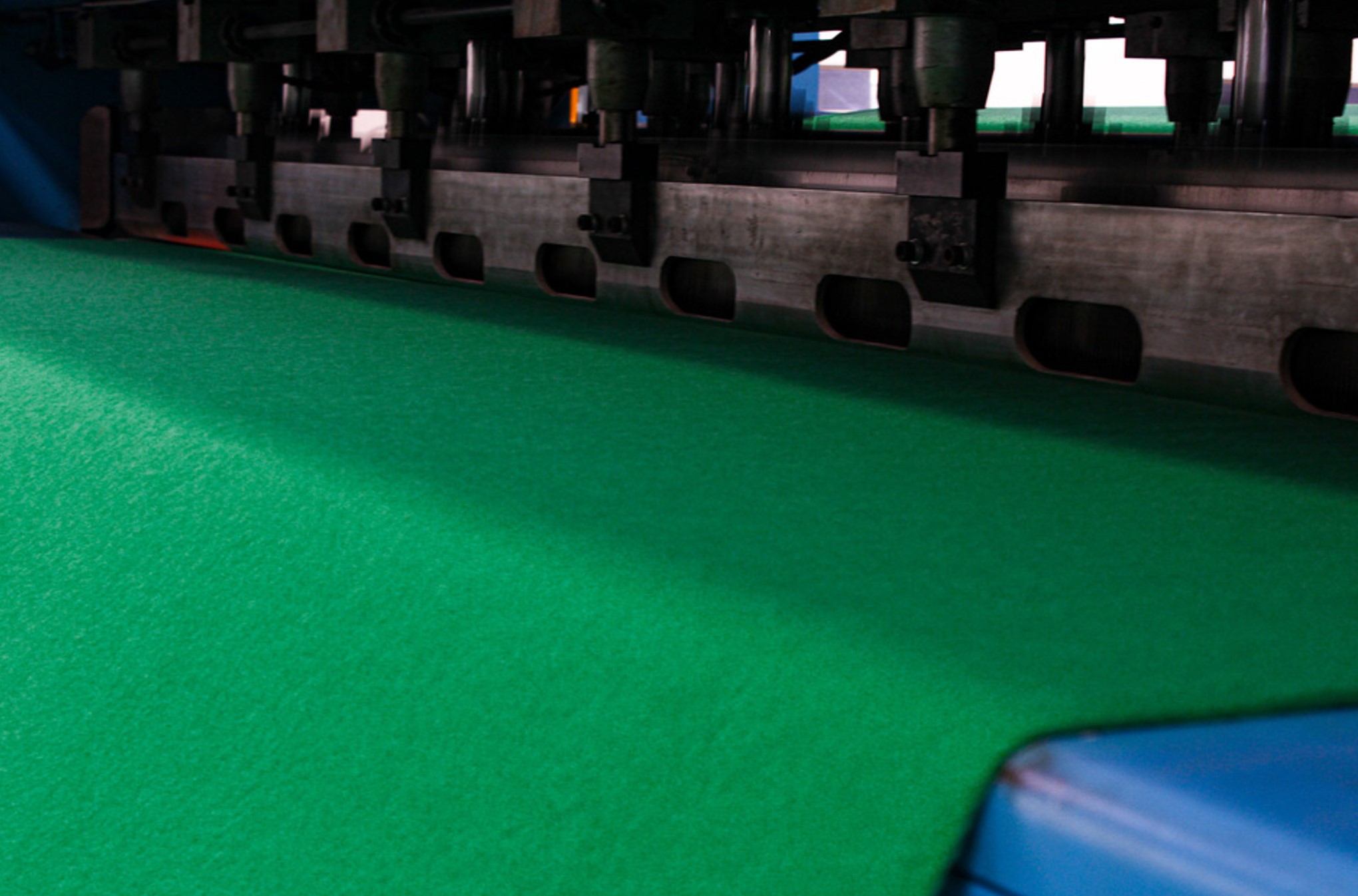
Geotextiles work by separating soil layers, filtering water, and reinforcing weak ground. They allow water to pass while holding soil in place. This balance is vital in coastal zones where water movement cannot be stopped.
In India, coastal restoration projects often need solutions that are durable, cost aware, and environmentally sensitive. Geotextiles meet all three when chosen properly.
Common coastal applications seen in India
Geotextile use in Coastal Restoration is not theoretical. It is already visible across Indian shorelines.
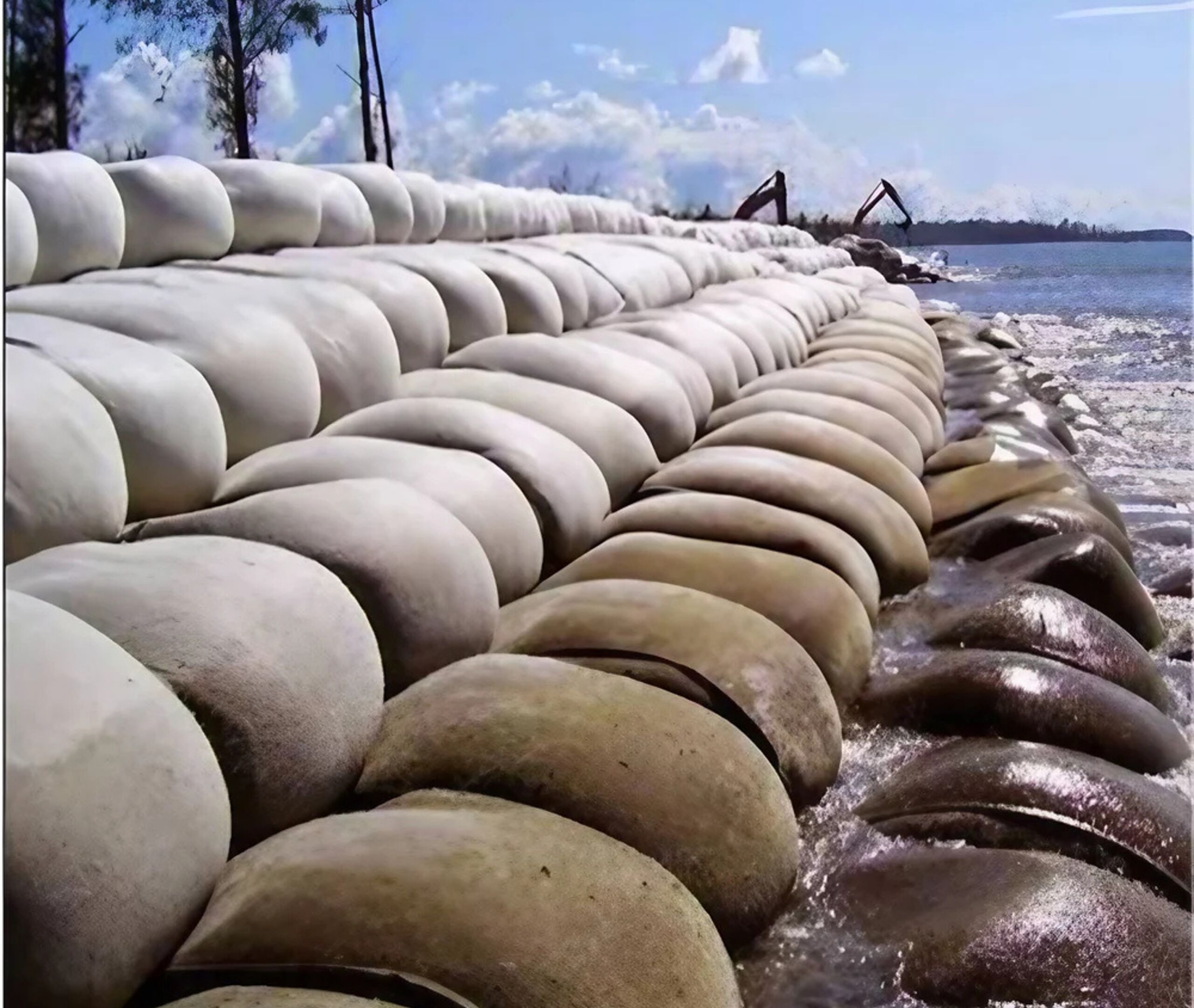
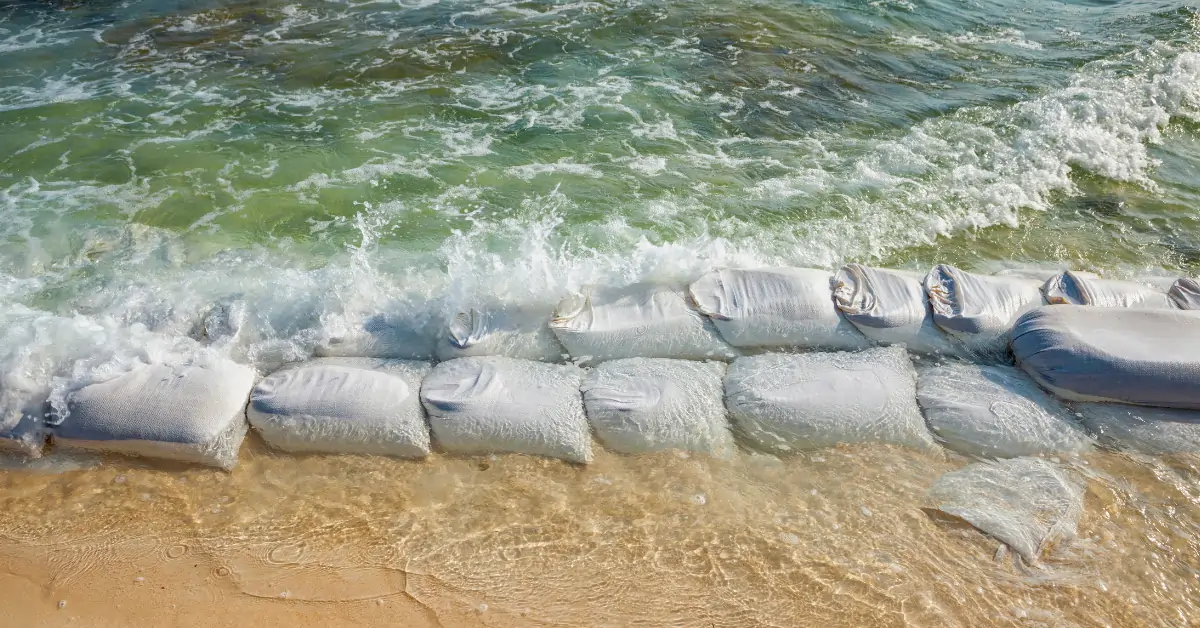
One common use is shoreline stabilisation. Geotextile tubes and mats are placed beneath sand layers to prevent washout during high tides. In practice, this helps beaches retain their shape longer.
Another application is erosion control near ports and fishing harbours. Here, geotextiles protect embankments from constant wave impact without blocking natural water flow.
They are also used in mangrove restoration zones. Geotextiles help young plants take root by reducing soil loss while allowing nutrients to move freely.
Why material selection matters in coastal zones
Not all geotextiles suit coastal work. Saltwater exposure, UV radiation, and heavy loads demand specific properties.
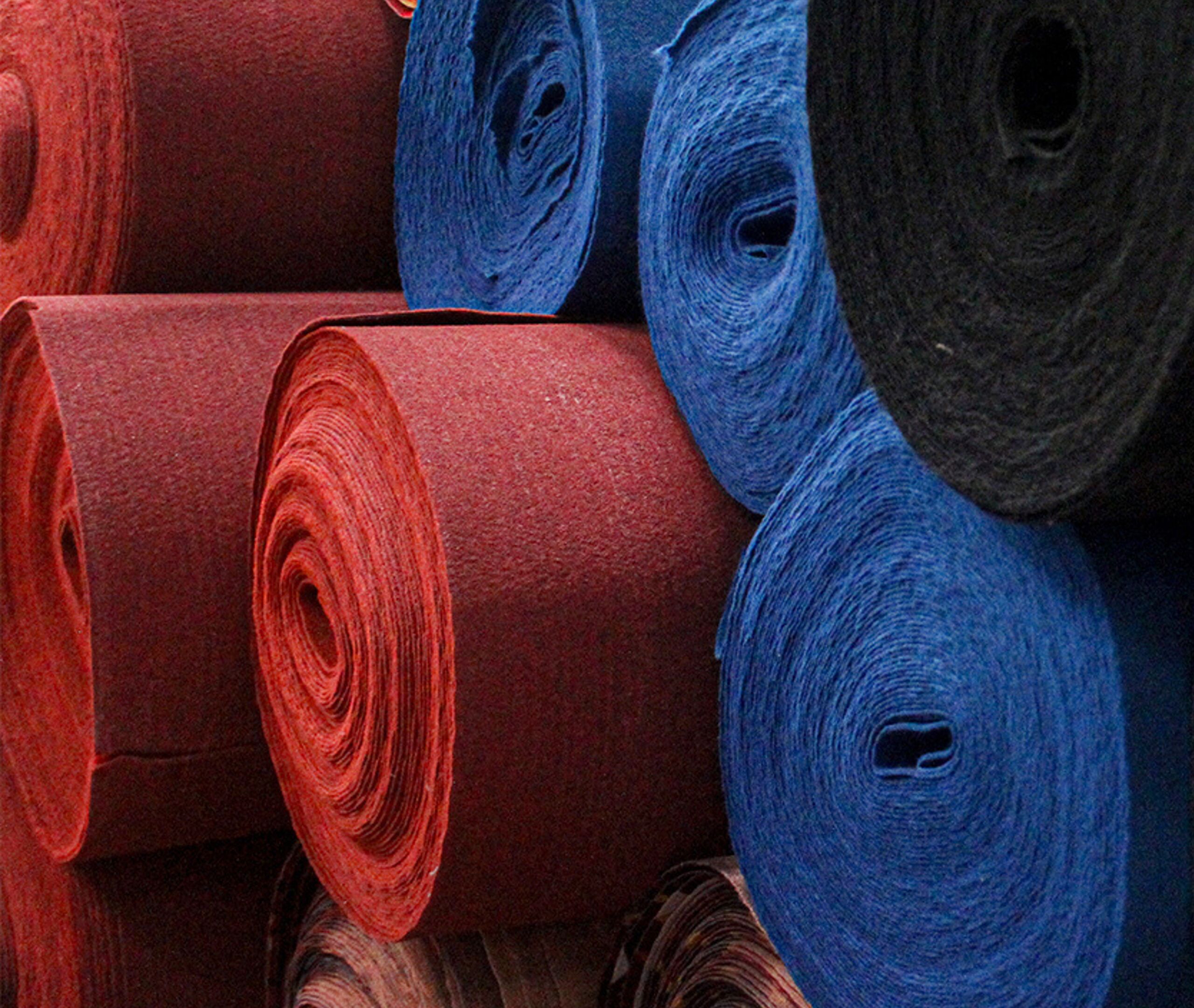
Non woven geotextiles are commonly chosen because they offer better filtration and drainage. They perform well under cyclic loading caused by waves. Woven variants may work for reinforcement but require careful design.
From local experience, poor material selection leads to early failure. This is why project planners prefer working with established geotextile suppliers in India who understand coastal conditions.
Environmental and regulatory considerations
Coastal restoration in India operates under strict environmental oversight. CRZ norms focus on minimising disruption to marine life and natural sediment movement.
Geotextiles support this approach. They are installed below ground or underwater and do not alter surface ecology. Over time, they become part of the natural system.
In many government backed projects, geotextiles are approved because they align with sustainable engineering practices. They offer protection without creating permanent barriers.
Practical challenges and how they are addressed
Installation in coastal areas is not simple. Tides, weather windows, and logistics affect execution. In practice, planning matters as much as material.
Experienced teams account for tide cycles during placement. Proper anchoring prevents displacement during storms. These details decide long term success.
Supreme GeoTech has worked with Indian contractors who understand these ground realities. Their geosynthetic solutions are designed keeping durability, filtration, and ease of installation in mind.
Long term value for coastal communities
Beyond engineering, Coastal Restoration supports livelihoods. Fishing communities, tourism operators, and port authorities all benefit from stable shorelines.
Geotextiles help reduce maintenance costs over time. They lower the need for repeated repairs. For Indian coastal towns working within tight budgets, this matters.
When used thoughtfully, geotextiles become a silent support system. They protect land, livelihoods, and ecosystems without drawing attention.
As coastal challenges grow, informed material choices matter more than ever. For Indian planners and contractors, speaking with experienced professionals who understand local coastlines can bring clarity before the next step.
What type of geotextile is best for coastal restoration?
Non woven geotextiles are commonly preferred for filtration and drainage in coastal conditions.
Do geotextiles harm marine life?
When installed correctly, they remain buried and do not interfere with marine ecosystems.
Are geotextiles suitable for Indian monsoon conditions?
Yes. Quality geotextiles are designed to handle heavy rainfall and wave action.
How long do geotextiles last in coastal projects?
With proper selection and installation, they can perform effectively for decades.