How Geotextile Fabrics Contribute to Sustainable Construction?
How Geotextile Fabrics Contribute to Sustainable Construction?
Supreme Geotech Pvt. Ltd. is a renowned geotextile manufacturer in India with a long-standing reputation for delivering effective and quality products for the construction sector. Our products range from geosynthetic products, including non-woven geotextiles, geobags, geomembranes, and various others, and are intended to provide a safe and sustainable method of construction to our customers.
At Supreme Geotech, we follow strict quality and manufacturing processes and cater to the requirements of roads, railways, landfills, water integrity, and port infrastructural projects with our products, including a geosynthetic range of products.
Our products cater to multinational corporations. Among the products, geotextile fabrics are one of the most important and useful products that can be employed in increasing the ability of the earth and promoting a sustainable construction process. This article discusses the role of geotextile fabrics in a sustainable construction process.
Sustainable building is not only about the buildings but also the manner by which the ground beneath them is prepared. When the soil is not stable, the flow of water is not controlled, or the issue of erosion is not considered, buildings deteriorate faster and are more often repaired.
Geotextile fabrics play a significant role here. The material made from fabric helps to improve ground conditions in a very effective way so that construction is stronger, longer-lasting, and more responsible.
What Are Geotextile Fabrics
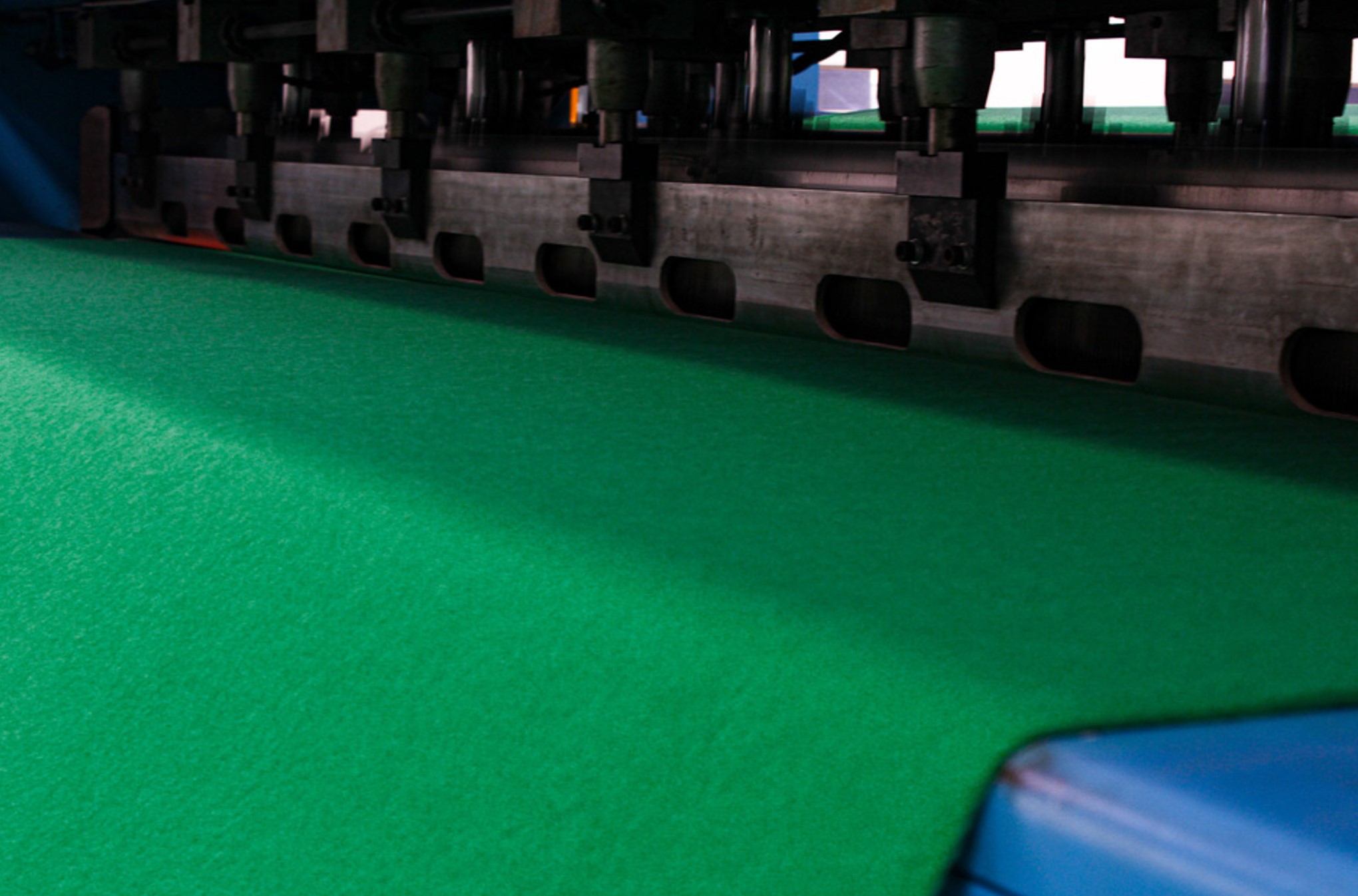
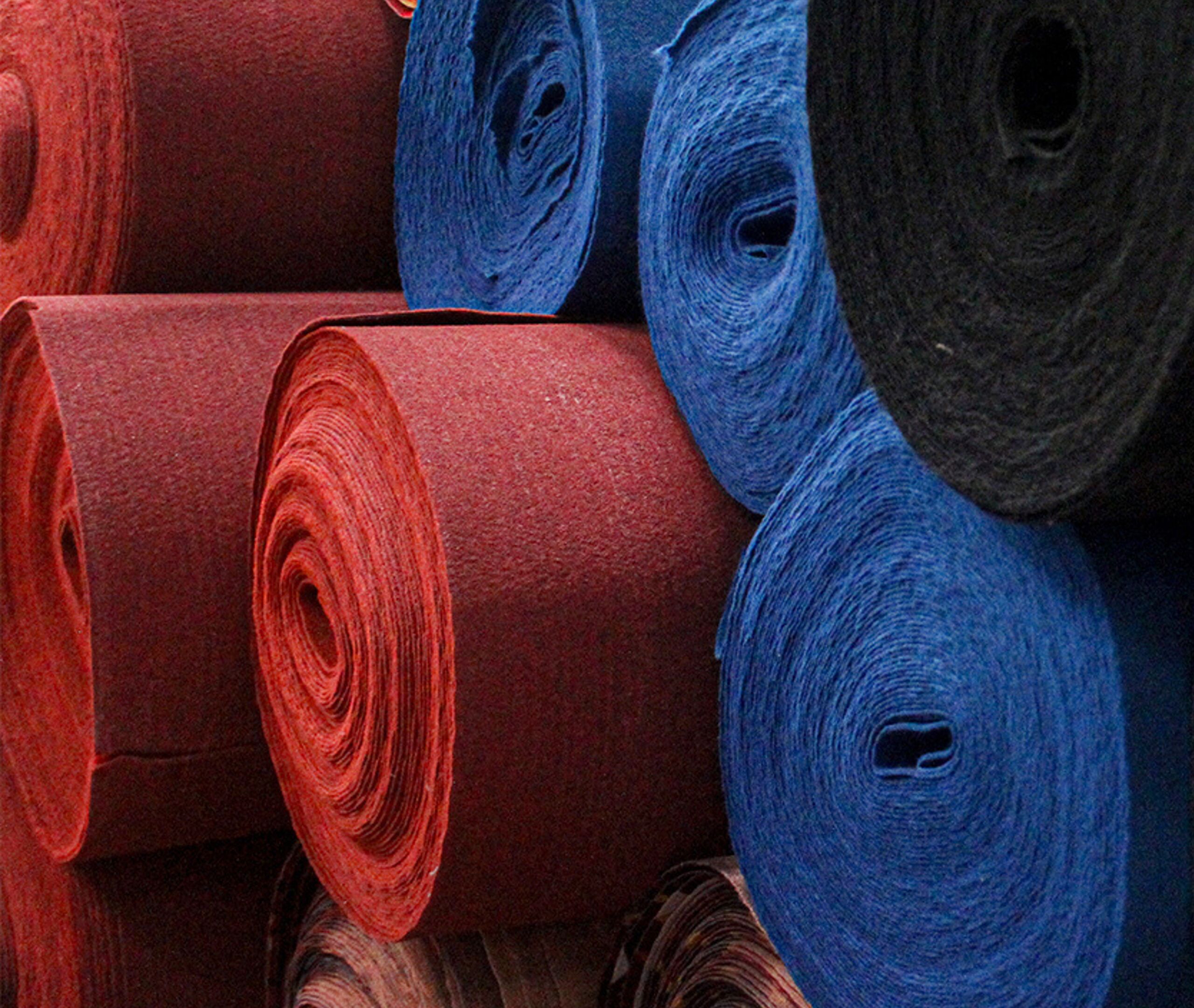
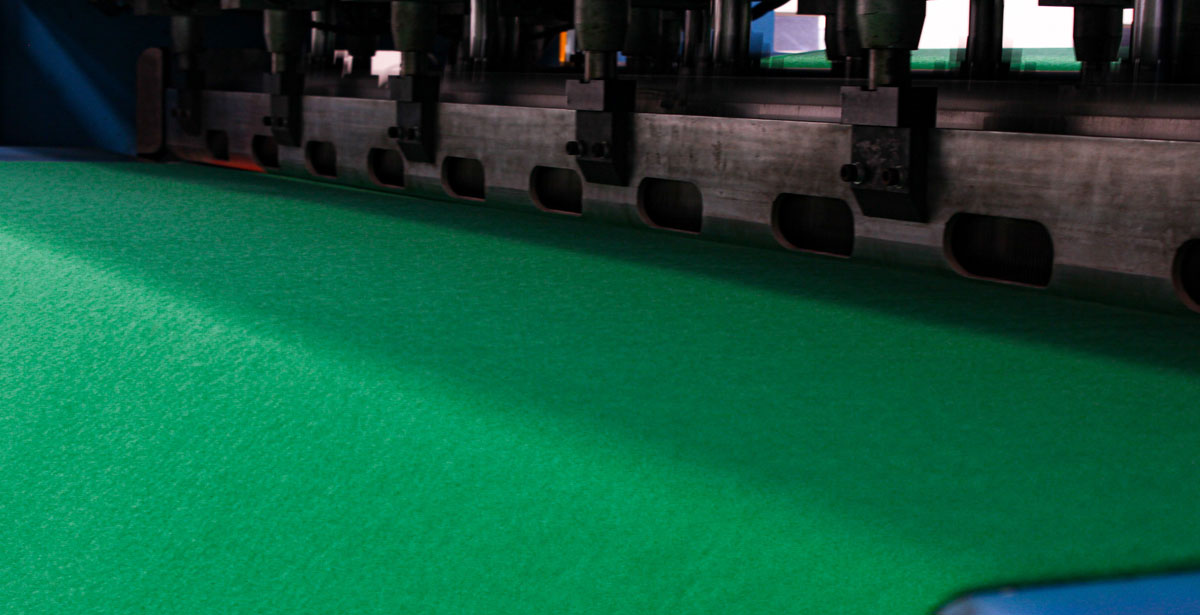
Geotextile fabrics are permeable and strong sheets made of synthetic fibres. At Supreme Geotech, our non-woven geotextile fabric sheets are made of high-quality polypropylene or polyester staple fibres that are needle-punched to create a flexible and stable mesh that allows water to pass through, possessing strength and support where it is needed.
The fabrics are intended to function in different grounds and address some of the common challenges associated with grounds, including instability, water accumulation, and settlement.
Importance of Improved Ground Solutions in Sustainable Construction
Sustainable construction practices are important because:
- It consumes less natural resources
- It reduces damage to Land and Water
- It increases durability of structures
- It reduces maintenance and repair requirements
Moreover, poor soil can also result in cracked roads, settling road surfaces, clogged drainages, and erosion. Repairs undertaken later will require additional energy and resource consumption.
The application of geotextile fabric in the foundation stage can avoid these flaws from the very beginning.
Geotextile Fabrics in Sustainable Construction
‘Green construction’ is an aim that aspires for the responsible utilisation of resources and the minimisation of environmental effects and enhances the lifespan of the structure. Geotextile fabrics contribute heavily in the following ways:
1. Soil Erosion Control
Soil erosion is a big problem, and this can be seen in areas where high rainfall, rivers, or dips are common. Soil erosion leads to landscape damage, erosion of foundations, and maintenance in landscapes.
The geotextiles also play a role in retaining the soil by providing a stable substrate on which the soil is immobilised. This prevents the loss of fertile soil and protects the neighbouring area from destruction by erosion.
2. Improved Drainage
Drains are an important aspect of construction work, particularly when dealing with roads, embankments, and foundations. A geotextile sheet has the ability to allow water to pass through while retaining soil particles. Such a sheet prevents waterlogging and exerts minimal pressure on the substructure.
By contributing to effective water flow, these geo fabric cloths also serve to reduce any chances of structural damage due to water accumulation and, consequently, maintain the structural integrity of the infrastructure in the long run.
3. Drainage and Filtration Support
For French drains, edge drains, or trench drains, geotextile fabrics provide the function of separating the soil from the drainage material. This ensures that the soil does not infiltrate the drainage system. At the same time, the geotextile fabric ensures that the flow of the water is not restricted. By keeping the drainage channels clean, they ensure site erosion prevention and cut costs of site maintenance.
4. Facilitating Efficient Waste and Landfill Management
When disposing of waste, it is important to design a modern landfill that will not contaminate both soil and water. In this case, geotextile materials are applied as liners and defensive layers within a landfill to separate soil from waste and provide stability to a waste disposal structure.
This results in safe waste storage, as well as protection against pollution of land and water sources.
5. Protecting Infrastructure in Coastal and Marine Projects
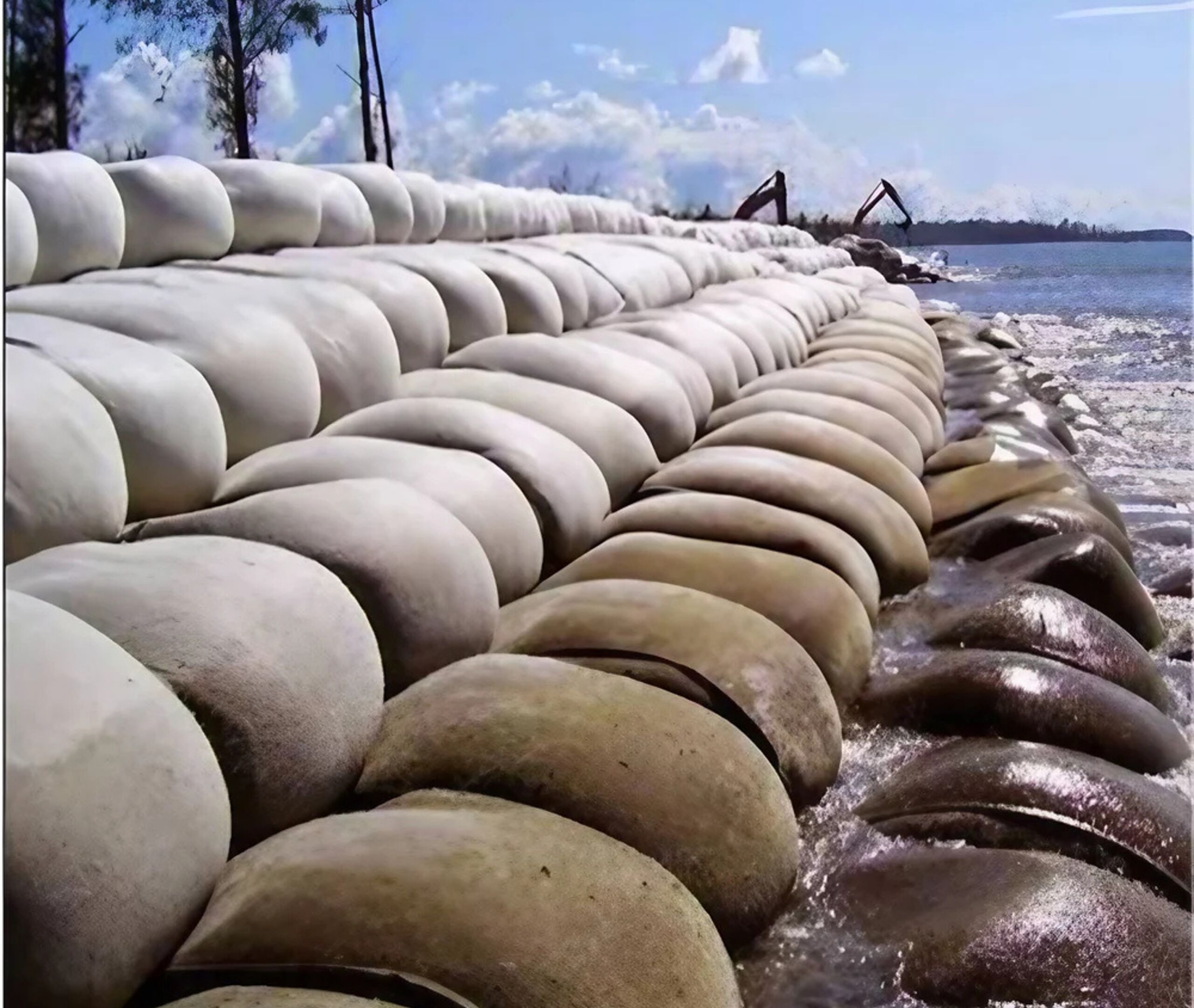
There are always threats of tides, waves, and erosion to and from coastal and marine construction projects. Geotextile fabrics are used for embankments, coastal defence walls, and riverbank protection structures to protect soil from natural water flow. It increases the durability of marine structure infrastructure and helps protect the shoreline area.
Applications within Infrastructure Projects
The geotextiles are used extensively in:
- Roads and highways
- Railways
- Landfills
- Drainage systems
- Ports and coast protection
- Walls: retaining and reinforced earth walls
- Waterproofing layers
This is because they can adapt to different site conditions and project requirements.
Quality Matters in Sustainable Performance
The functioning of geotextile fabrics relies on their strength, durability, and uniformity. It is necessary that a good geotextile supplier in India follows the parameters of quality and provides samples in various sizes and specifications.
Well-manufactured geosynthetics ensure:
- Prolonged service life
- Stable performance under load
- Resistant to moisture and environmental stresses
Selecting a suitable product will prevent early failures and unnecessary rebuilds.
Long-Term Value for Sustainable Projects
Sustainable building is all about long-term thinking.
Geotextile fabrics are known for:
- Less maintenance requirement
- Minimize material waste
- Enhance project lifespan
- Minimize land disturbance
They are silently working below the ground, providing support for infrastructure. They are among the most effective methods adopted for proper construction.
Conclusion
Geotextile fabrics are an integral part of sustainable construction. They reduce soil erosion, provide drainage, enhance road construction, and promote environment-friendly procedures. As reliable geotextile suppliers in India, Supreme Geotech is proud to offer top-class geotextile fabric sheet and customised solutions to meet the requirements of diverse business segments.
We help in creating better infrastructure while also protecting natural resources. This is achieved through proper investment in geotextile solutions.
FAQs
What is the main purpose of geotextile fabric?
The geotextile fabrics are applied for the purposes of separating layers of soil, draining, and preventing erosion, as well as stabilising construction.
Where are geotextile fabric sheets usually used?
Geotextile fabric sheets used in road construction, railways, landfills, drainage systems, port structures, waterproofing works, and reinforced earth structures.
Do geotextile fabrics enable the passage of water?
Yes. The geo-fabric cloth provides drainage and the capacity to retain soil particles, making it the best material for drainage and the filtration process.