How Geotextiles Protect Pipelines from Erosion
If you have ever walked along a canal edge near New Town or driven past pipeline work near Haldia, you will notice how quickly soil gives way after one heavy monsoon spell. In Eastern India, erosion is not an abstract engineering risk. It is visible, seasonal, and expensive when ignored. Pipelines, especially water, gas, and slurry lines, sit quietly underground, yet they face constant pressure from shifting soil, surface runoff, and rising water tables.
This is where Geotextiles enter the picture. Not as a miracle material, but as a practical layer of insurance that works with soil rather than against it. In practice, they are often the difference between a stable installation and recurring repair work.
Why erosion is a real pipeline threat in Eastern India
Kolkata and much of West Bengal sit on young alluvial soil. It is fertile, yes, but also loose and easily displaced. Add long monsoon cycles, sudden cloudbursts, and tidal influences near coastal belts, and you get a ground environment that rarely stays still.
Pipeline failures here are rarely dramatic explosions. They are slow exposures. Soil washes out, backfill weakens, and pipes begin to bear loads they were never designed for. Over time, joints strain, coatings crack, and maintenance costs climb. This is commonly seen in peri-urban infrastructure projects where drainage planning is rushed.
How Geotextiles actually work on the ground
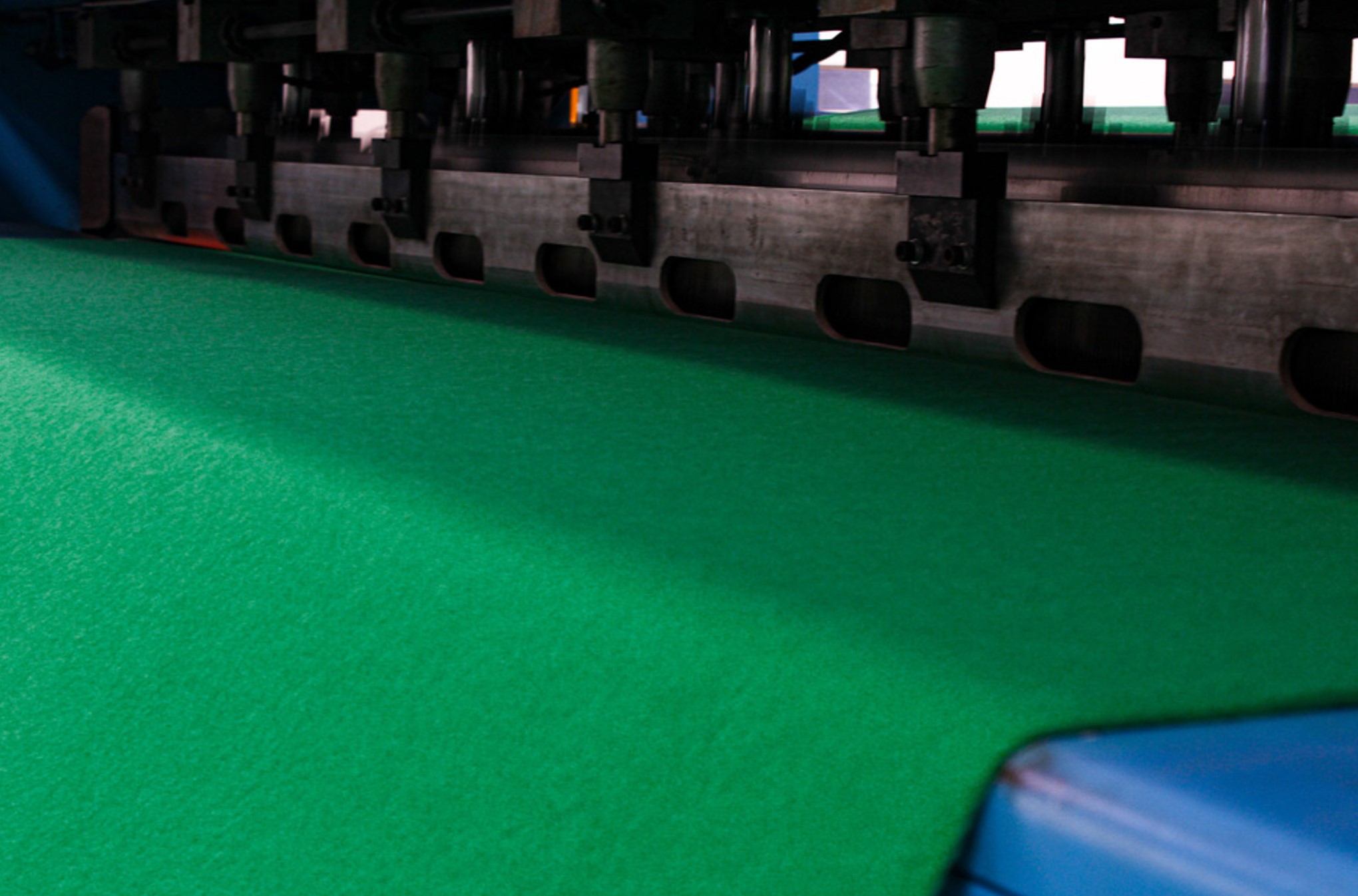
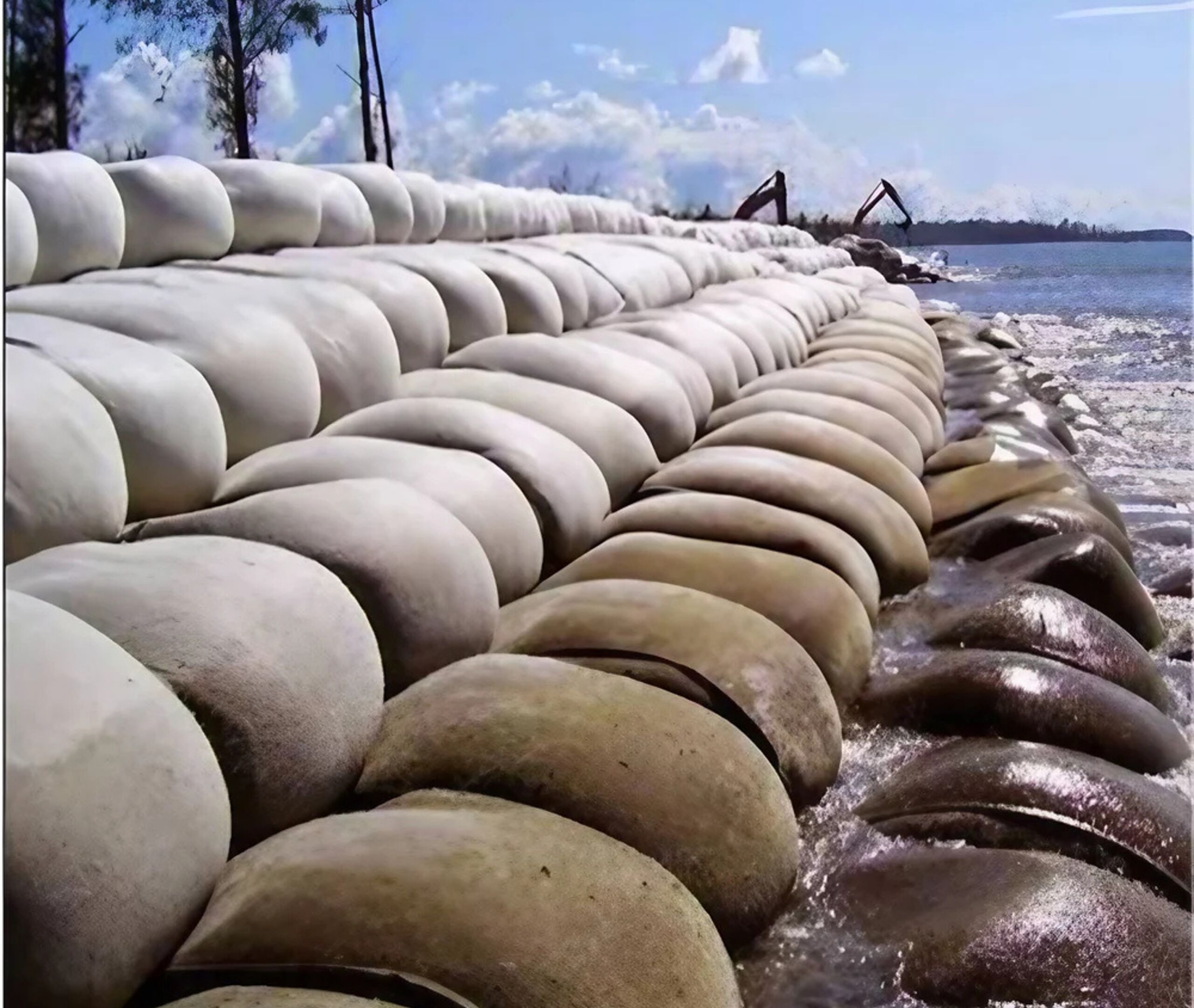
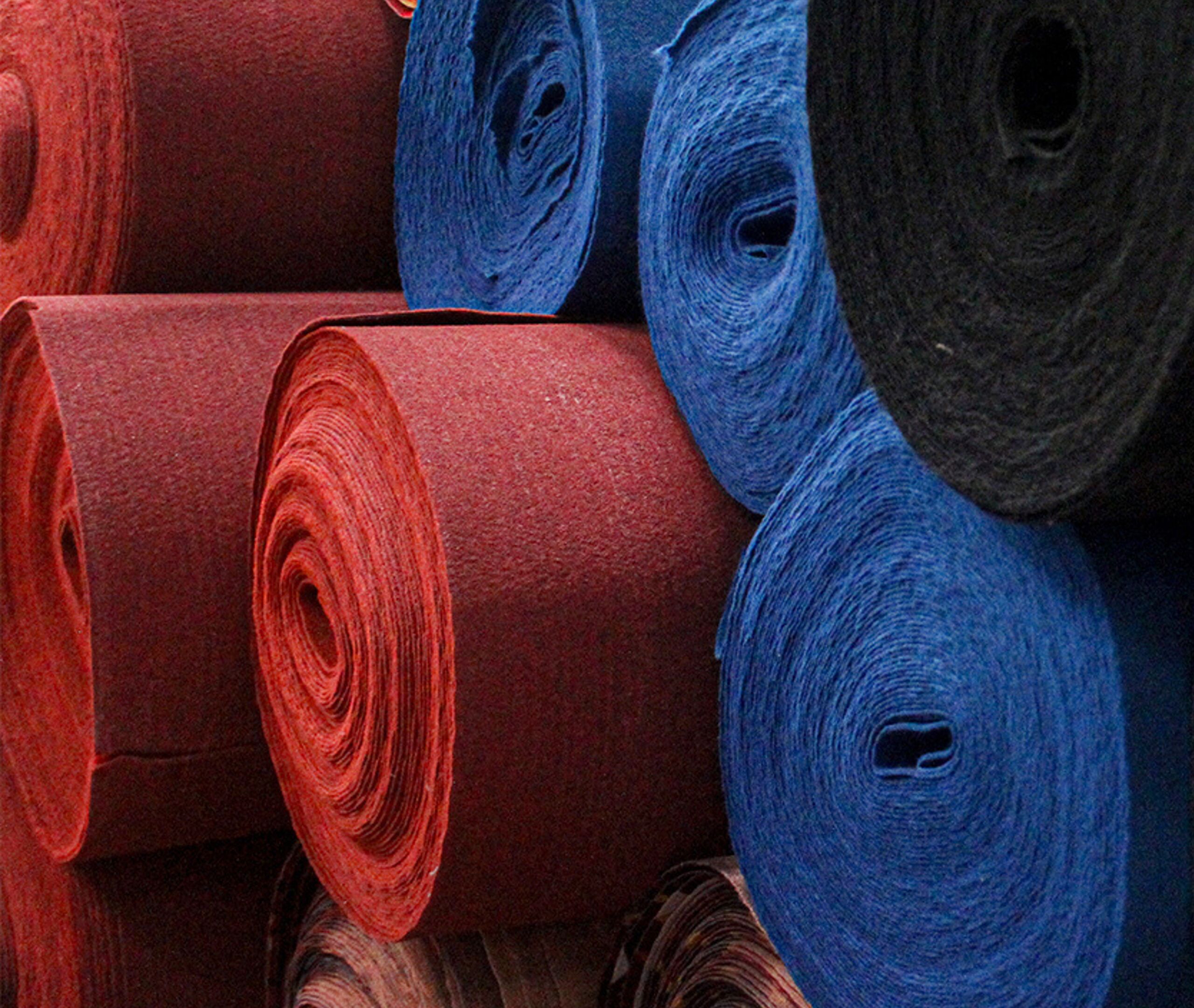
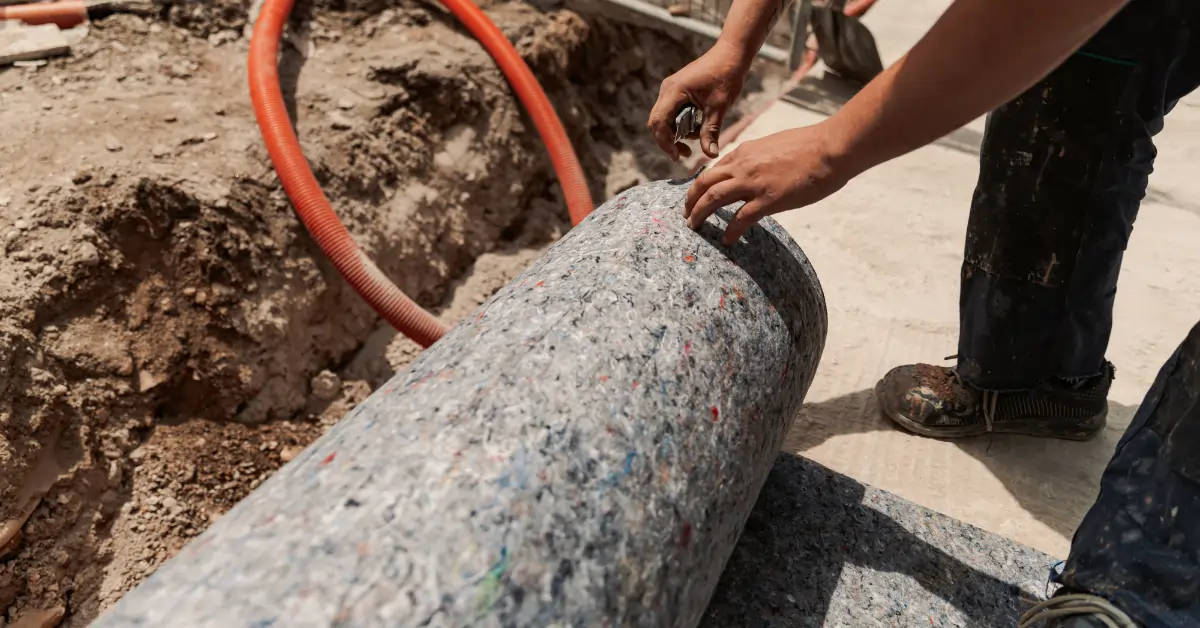
The value of Geotextiles lies in what they quietly prevent. Non-woven fabrics and geotextile tubes, often called geobags, create a permeable barrier around pipelines. Water passes through. Soil does not. That balance matters.
Instead of blocking moisture and creating pressure, geotextiles allow controlled drainage while holding fine particles in place. This keeps the bedding intact even during prolonged rainfall. In practice, this reduces pipe exposure, settlement, and uneven loading.
Soil stability and filtration, not brute strength
Engineers sometimes assume erosion control needs heavy concrete or stone pitching. In reality, flexible systems perform better in variable soils. Geotextiles stabilise by reinforcing the soil matrix itself. Fine grains remain trapped, slopes hold their shape, and hydrostatic pressure reduces naturally.
Around pipeline trenches, this filtration function is critical. Once fines migrate, voids form. Geotextiles interrupt that chain early.
Slopes, riverbanks, and coastal edges
Eastern India has no shortage of high-risk zones. From river-adjacent pipelines near the Hooghly to coastal stretches closer to Odisha, erosion behaves differently everywhere. Geotextile tubes filled with sand have been used in documented coastal protection projects, including Odisha’s Pentha coastline, to resist tidal scouring without rigid walls.
Similarly, along large rivers like the Brahmaputra system, geotextile mattresses have been adopted for bank protection where conventional methods failed to adapt. The lesson is simple. Flexible erosion control survives movement. Rigid structures often crack under it.
Local execution matters more than product specs
This is where experienced suppliers such as Supreme Geotech stand out. Their geotextile fabrics and geobags are designed for Indian soil behaviour, not imported assumptions. In West Bengal projects, material consistency, filtration performance, and installation guidance matter more than lab numbers.
Contractors here often prefer solutions that are easy to deploy with semi-skilled labour. Geobags meet that expectation. They are lighter, faster to install, and forgiving when ground conditions shift unexpectedly.
It is also worth noting how geocell manufacturers in India increasingly integrate geotextiles into broader ground improvement systems. In fact, geocell manufacturers in India often recommend geotextile layers beneath cellular confinement to improve long-term erosion resistance. This combined approach is becoming common in pipeline corridors.
Cost, longevity, and realistic expectations
One reason Geotextiles are widely accepted in Eastern India is cost predictability. Compared to concrete encasements or deep stone revetments, geobags and non-woven fabrics reduce material transport, labour intensity, and repair cycles.
They also age better. While no material is permanent, geotextiles designed for Indian UV exposure and soil chemistry last long enough to justify their inclusion. This durability is why geocell manufacturers in India frequently collaborate with geotextile suppliers on infrastructure tenders.
Supreme Geotech’s geosynthetics portfolio reflects this practical thinking. It is not about overengineering. It is about matching material behaviour to local ground reality.
Final Thoughts
Pipeline protection is rarely about one product. It is about understanding soil behaviour, rainfall patterns, and maintenance realities. In West Bengal, solutions that respect these factors tend to last.
If you are evaluating erosion control for a pipeline project, speaking with a Kolkata-based geotechnical professional or reviewing case-specific guidance from firms like Supreme Geotech can offer clarity. Not urgency. Just informed direction rooted in local experience.
FAQs
Are geotextiles suitable for high water table areas like Kolkata?
Yes. They allow drainage while retaining soil, which helps manage hydrostatic pressure effectively.
Do geotextiles replace concrete protection for pipelines?
Not always. They often complement structural elements, especially where flexibility is required.
How long do geotextiles last underground?
Quality non-woven geotextiles can perform for decades when properly installed.
Are geotextile tubes used only in coastal areas?
No. They are also used along rivers, embankments, and erosion-prone slopes inland.