How to Choose the Right Geotextile Fabric for Railway Projects?
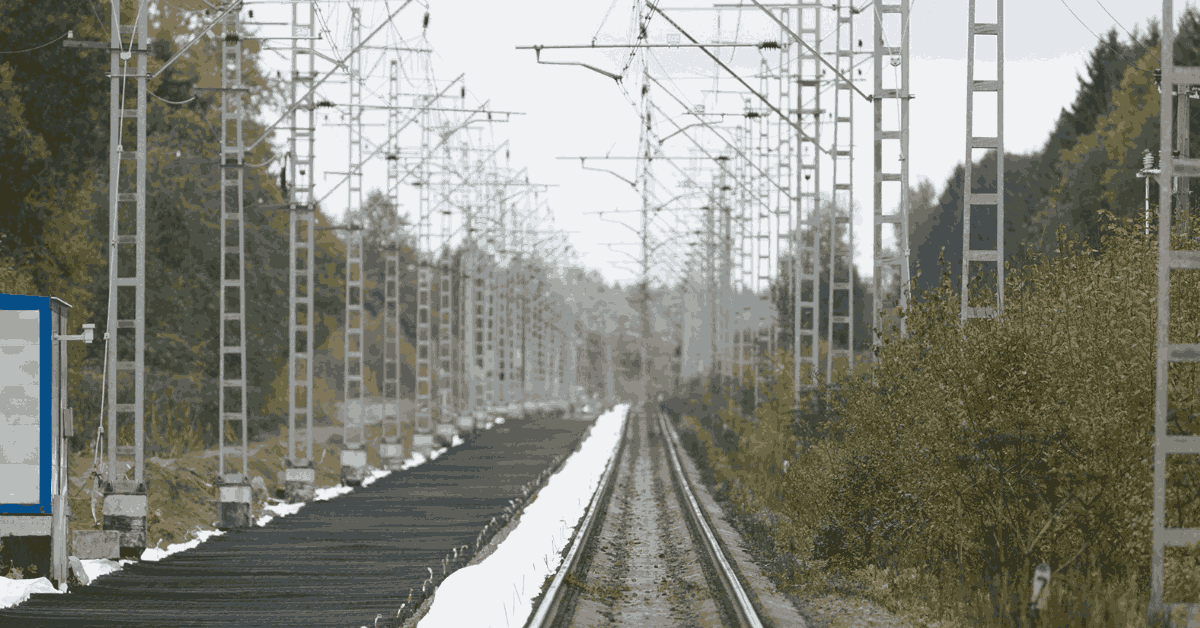
The railway system is the backbone of global commerce and commuter travel, relying fundamentally on the stability and durability of its underlying structure. When it comes to the trackbed of the railway, stability plays a vital role. Here, the geotextile fabrics enter the scene and help the civil engineers to mitigate the risk of trackbed failures. On the other hand, it enhances the power of the trackbeds to withstand the daily wear and tear and the extreme loads of trains. A high-performance geotextile is more than just a sheet of material; it is an engineered solution that performs functions vital to preventing track degradation, reducing maintenance costs, and ensuring smooth, safe transit. However, selecting the right geotextile fabric for a railway project is not at all an easy task. Whether it’s a new construction or track renewal, a profound understanding is required to choose the right kind of geotextile fabric.
This elaborate guide of Supreme Geotech intends to walk you through the essential factors and types to help you in making informed decisions.
The Core Functions of Geotextiles in the Railway System
In railway engineering, geotextiles have three to four primary functions beneath the layer. These functions include separation, filtration, reinforcement and protection. So, whenever one chooses geotextile fabric, they must ensure that aligns with these primary functions.
- Separation-
Geotextile is primarily known for acting as a barrier to prevent the ballast from mixing with the fine-grained subgrade. The choice of the wrong fabric often results in mud-pumping.
- Filtration-
The geotextile fabric, on the other hand, must have the ability to let the drainage items pass smoothly through it while retaining the fine soil particles.
- Reinforcement
When the subgrade soil remains soft or weak, the woven geotextile can provide excellent tensile strength. Owing to this factor, the choice of geotextile fabric must be strategic for minimising the chances of track deformation. Remember that this choice is crucial and aids in enhancing the protection of lives and the railway system as a whole.
- Protection-
The geotextile fabric must be robust enough to survive the installation process and the long-term dynamic loading.
Key Criteria To Consider While Choosing Geotextile Fabric For Railway Projects
For the contractors of railway projects or the project head, choosing the right geotextile fabric is not an easy job; rather, it requires careful consideration of the key criteria. Therefore, for the final decision-making, the engineers and project authority must evaluate the specific project environment that aligns with the technical specifications of the fabric.
- Site-specific soil condition-
Whenever choosing the soil, it is absolutely important to settle for the ones having high tensile strength. It’s better to stick to the woven geotextile, which helps in securing the maximum stabilisation.
- Mechanical properties-
Railway applications, especially those with angular ballast, demand a high level of puncture resistance. In such cases, the non-woven fabric items can perform better.
- Hydraulic properties-
Ensuring proper water flow is essential for preventing the chances of waterlogging and trackbed softening. Here we recommend choosing the geotextile fabric which has small AOS particles and which also helps to avoid clogging.
Closing Thoughts
Choosing the right geotextile fabric for a railway project is a meticulous engineering practice and not a simple decision. Follow the criteria, such as mechanical and hydraulic properties and soil conditions, to procure the best type of fabric. To source the top-tier geotextile fabric, visit the website of Supreme Geotech, the best geotextile manufacturer in India.
FAQ:
Should I use woven or non-woven geotextile?
Most importantly, the non-woven geotextile is ideal for the trackbeds where the main requirements are separation, filtration and protection. On the contrary, the woven ones are suitable when reinforcement is essential.
What is the primary purpose of a geotextile in a railway trackbed?
The primary purpose of a geotextile is separation. On the other hand, geotextile acts as a permanent barrier between the ballast stone and subgrade soil.
How long does a railway geotextile last?
If the right kind of geotextile fabric for railway projects is chosen and installed properly, it usually lasts 50 to 100 years.