How Weather Affects Geotextile Installation
How Weather Affects Geotextile Installation
The modern-day construction industry uses geotextile fabrics for several applications such as soil stabilisation, filtration, drainage, separation, and erosion control. However, the effectiveness of geotextile fabrics depends not only on the fabric but also on the method of installation. The weather affects geotextile installation, which may also have an effect on installation.
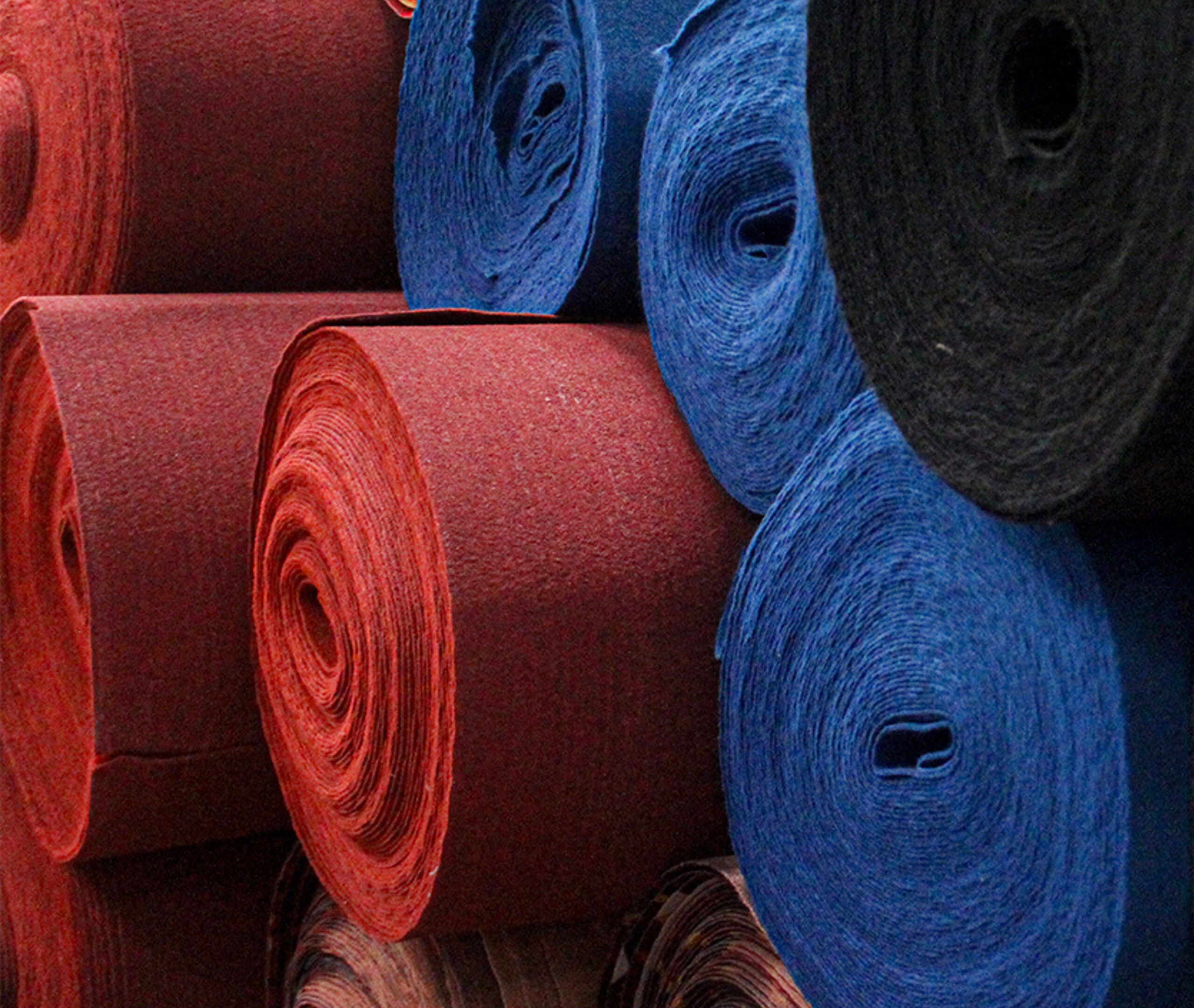
We use needle-punched geotextile fabrics, which offer good structural strength and flexibility and are highly permeable. The geotextile fabrics we produce find application in roads, highways, railways, landfills, drainage systems, tunnels, ports, and erosion control projects.
Why Weather Matters During Installation
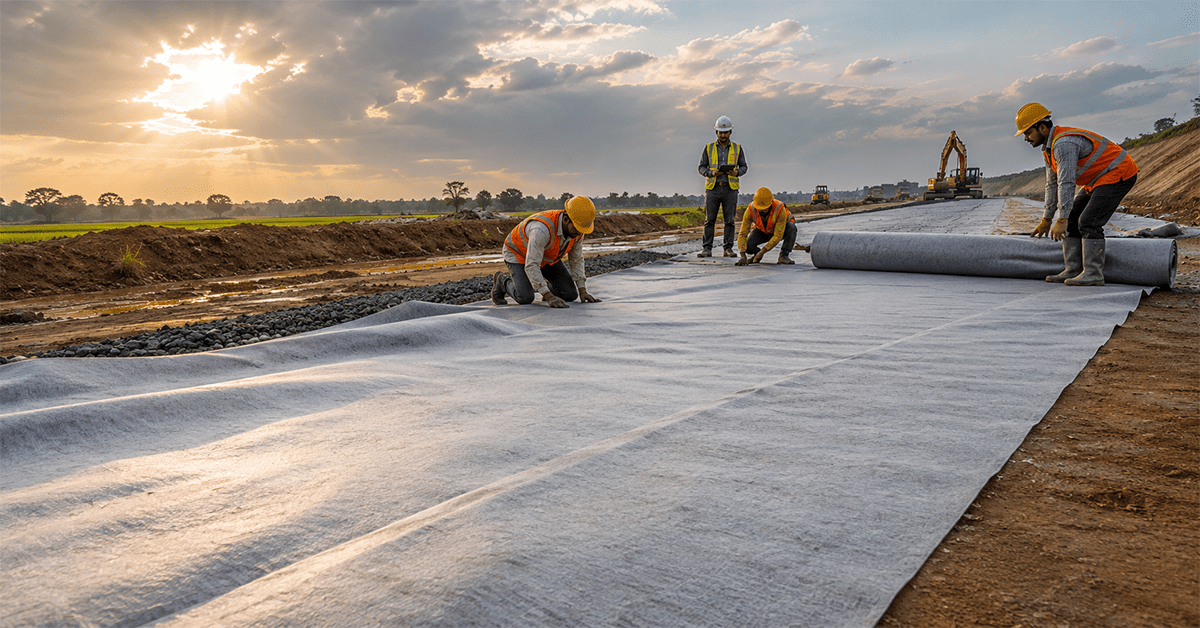
The geotextile fabric is normally placed over prepared soil before the layer of soil or any other building material is placed over the fabric. In this phase, the fabric is open to elements like the wind, water, sun, or moist soil.
Since the engineers will not be able to check or change the fabric after it has been covered, the installation of the fabric has to be done properly.
How Different Weather Affects Geotextile Installation
1. Strong Winds Can Move the Fabric
Wind is one of the first obstacles encountered when installing geotextiles. The lightweight fabric may be moved, folded, or lifted prior to the installation of the cover material.
Installation crews are advised to have enough ballast bags or anchors available to prevent movement. Exposed areas need to be secured, and large pieces of fabric left exposed are discouraged.
Proper installation and handling will help preserve the fabric quality during installation according to Supreme Geotech.
2. Rain Can Affect Site Preparation
Rain makes the soil under it soft, uneven, or hard to work on. In case engineers put geotextile fabric on the surface which is not good enough, the sharp stones and any kind of debris can cause damage to the geotextile fabric.
It is necessary that before installing geotextile fabric, the ground should be cleaned up and made even. It decreases the chance of being pierced by something.
This matter becomes even more relevant when we talk about construction of roads, railways, and drainage systems.
3. Wet Soil Can Affect Placement
When the ground is too wet, it becomes hard for the construction team to adequately prepare the ground. Large pieces of equipment may form grooves in wet subgrades.
It is important for project managers to assess the state of the ground prior to laying the fabric. Project managers must try to prevent excess construction traffic from traversing the fabric.
4. Extreme Heat Requires Careful Handling
The high temperature could affect the ease at which the job on site is done and the way the fabric will be handled and positioned.
It is important to follow the instructions for handling and installation as provided by the manufacturer to ensure that the geotextile quality is maintained.
Weather and Different Geotextile Applications
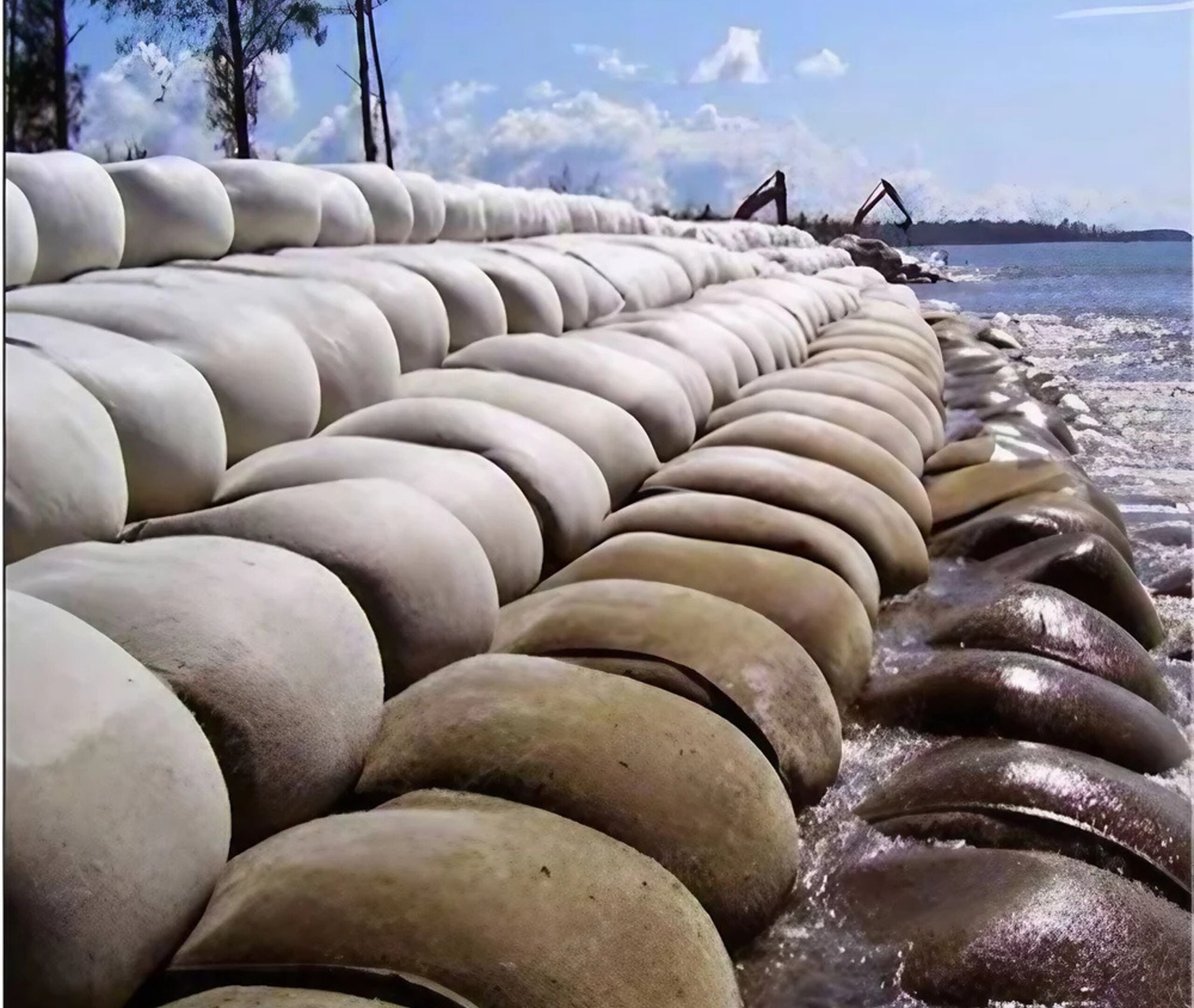
The importance of weather becomes significant in such projects where the fabric will be exposed during the process of installation. The supreme geotechnical nonwoven geotextiles are used in the construction of roads and highways, railroad beds, French drains, landfills, tunnel linings, parking areas, and riverbed and shoreline stabilisation.
In case of drainage, the fabric will have to be installed in such a way that it allows the water to flow through but holds the soil particles. In the case of railways and roads, proper installation ensures that the geotextile can perform its function of separation and stabilisation.
Preparing for Weather Before Installation
A few precautions will go a long way to make the process much easier:
1.Observe the weather conditions before starting the installation process.
2.Ensure that the area to be covered is ready and level.
3.Have ballast bags or anchors handy during windy weather conditions.
4.Do not use any machinery in close proximity to the fabric being installed.
5.Have an extra repair kit containing extra geotextile fabric and appropriate tape.
6.Ensure that the fabric is inspected before it is covered.
7.Cover the fabric once all the inspection requirements have been met.
Why Choose Supreme Geotech?
Our products undergo testing within our own lab prior to shipment and are supplied in varying sizes based on client needs. We manufacture products which conform to ASTM standards, DIN standards, and many more infrastructure specifications, including MORTH & RDSO.
As a geotextile manufacturer in India, Supreme Geotech is committed to providing reliable products.
Conclusion
The weather can play a direct role in how easy and efficient the process of installing geotextile material will be. Wind can carry the material, and rain can impact the preparation of the site. Proper planning, site preparation, positioning, and covering will mitigate some of these issues.
Learning about the weather affects geotextile installation and will allow for more effective planning of work and protection of the material prior to its installation as part of the finished project. When using high-quality geotextiles by Supreme Geotech and employing proper installation methods, projects will be able to have an advantage of better drainage and stability.
How does the weather affect geotextile fabric installation?
The weather, including wind, rainfall, wet surface, and very hot temperature, may affect fabric installation.
In what way can engineers protect geotextile fabric from movement in windy conditions?
Engineering teams may use ballast bags and appropriate anchors for the stabilisation of fabric segments until the covering material is installed.
Is it possible to install geotextile fabric when the soil is moist?
The answer depends on the specifics of the project. Extremely wet and unstable soil makes proper surface preparation very difficult.