Importance of Geotextile in Road Construction in India
India has roads that are subjected to harsh conditions on a daily basis. Pavement life is adversely influenced by heavy traffic loads, mixed soil profiles, and waterlogging in the monsoon and temperatures. In that regard, Geotextile in Road Construction has ceased to be a nice-to-have addition and has become a viable necessity. Geotextiles used on national highways, right up to rural access roads, can be used to make roads last longer and work better in the real Indian conditions.
Practically, the engineers and contractors in India have observed that initial investment in geotextiles tends to lower the cost of repairs in the long term. It is not concerning complexification. It is concerned with the construction of smarter roads that are locally grounded.
What is Geotextile and Why It Matters on Indian Roads
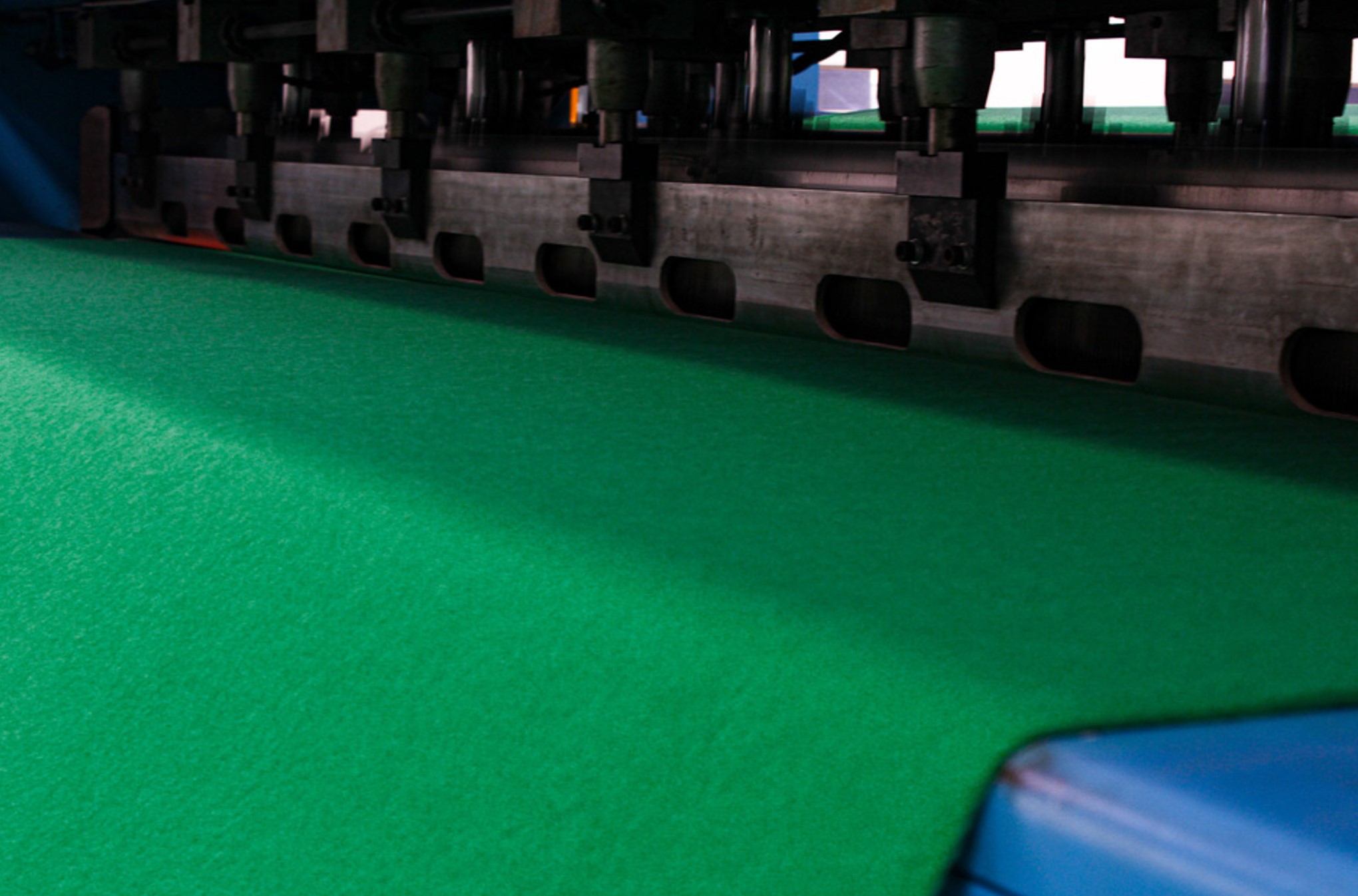
Geotextiles refer to permeable synthetic fabrics that are positioned between the soil and construction layers. They only have a minor yet important role. They are separated, reinforced, filtered, and drained. Indian soils are not usually homogeneous. Soil is black cotton, heavy clay, sandy, and reclaimed soils, which are all responsive to load and moisture.
The base aggregates mingle with the subgrade soil over time without separation. This deteriorates the road setup. This mixing is regulated with Geotextile in Road Construction. The road is also strong even when it goes through the monsoon cycles, and this is one of the major failure points evident in most of the local projects.
Separation and Reinforcement in Real Conditions
One of the most popular applications of geotextiles in Indian road work is separation. In case of touching the weak soil with the crushed stone, the cloth keeps the two layers in place. This can come in handy mostly when the budget in place is low in rural roads, which have low volumes, and performance remains important.
Probably the other advantage that will be observed with time is reinforcement. Geotextiles are more evenly distributed. This minimizes rutting in regions where a lot of trucks are in use. This method has been used on local projects in eastern India and has assisted the roads to remain serviceable despite repeated bouts of floods and drying.
Drainage Control During Monsoon Months
One of the largest opponents of roads in India is water. Poor drainage results in potholes, cracks, and base failure. Geotextiles enable the transmission of water and, at the same time, retain soil. This balance is critical.
Practically, geotextiles beneath the pavements or along shoulders are applied to control the groundwater and surface runoffs. This is mostly witnessed in the widening of highways, such that drainage patterns are disrupted. Durability is enhanced with geotextile-based proper drainage layers without significant modifications in their designs.
Cost Efficiency Over the Road Life Cycle
Initial cost is an issue with many decision-makers. Nevertheless, the experienced engineers consider the entire life cycle. Geotextile pavements take less time to repair. Maintenance periods are augmented. This is important to both the government through the works departments and the developers.
The thickness of the aggregate layers may also be reduced by using Geotextile in Road Construction. That implies a reduction in the amount of material excavation and transportation. The saving is realistic and quantifiable in India, where logistics prices are variable, and acquiring quality aggregates may be problematic.
Supporting Weak Subgrades and Difficult Terrains
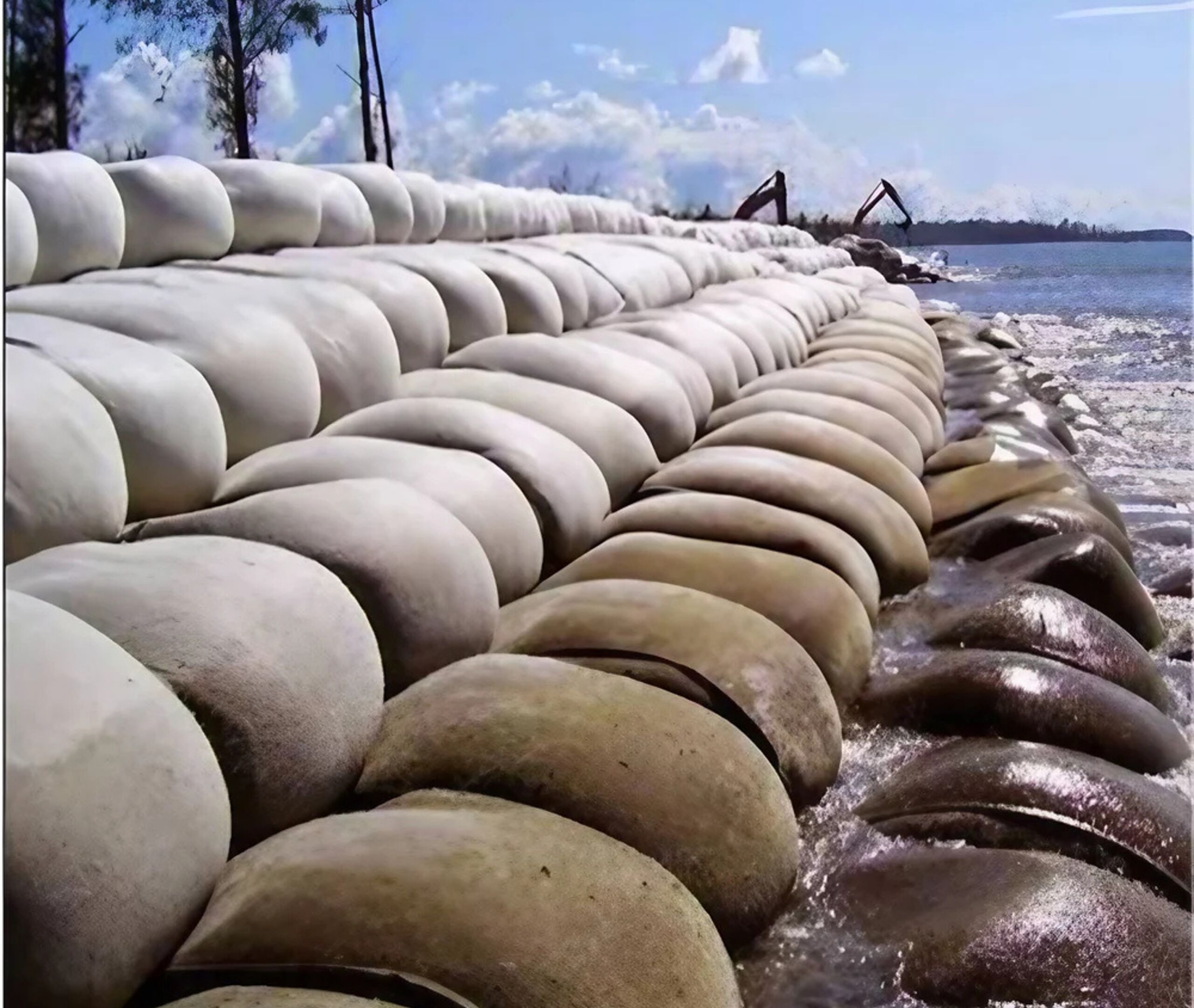
There are numerous areas in India with inaccessible grounds. The poor load-bearing soil is usually found in coastal belts, riverbanks, and industries on reclaimed land. Geotextiles are useful in stabilizing these regions without necessarily depending on costly soil replacement.
This is where complete solutions by mature suppliers will be relevant. Firms such as Supreme GeoTech collaborate with the project requirements in order to make the appropriate choice of materials. They have a sense of how Indian soil will respond, which will assist them in aligning the performance of the products with the requirements of the ground.
Role Alongside Geocells and Other Systems
Geotextiles are commonly employed with geocells in the construction of roads. Geotextiles ensure separation and filtration, whereas geocells offer confinement (three-dimensional). The geotextile layers under geocells are encouraged by many geocell manufacturers in India to enhance the performance of geocells.
The combination is usually found in slope roads and embankments, and industrial site access roads. This stratified process makes deformation less and enhances load distribution in the long term, as has been experienced.
Compliance with Indian Standards and Practices
The Indian road projects are based on IRC guidelines and specifications of projects. Modern geotextiles are consistent with these demands. They are being more and more incorporated on highways, ports, and urban roads by engineers.
Supreme GeoTech provides geosynthetic solutions meeting these requirements and taking into account the stress factors of the Indian climate. This orientation creates trust between consultants and execution teams in the field.
Choosing the Right Geotextile for Your Project
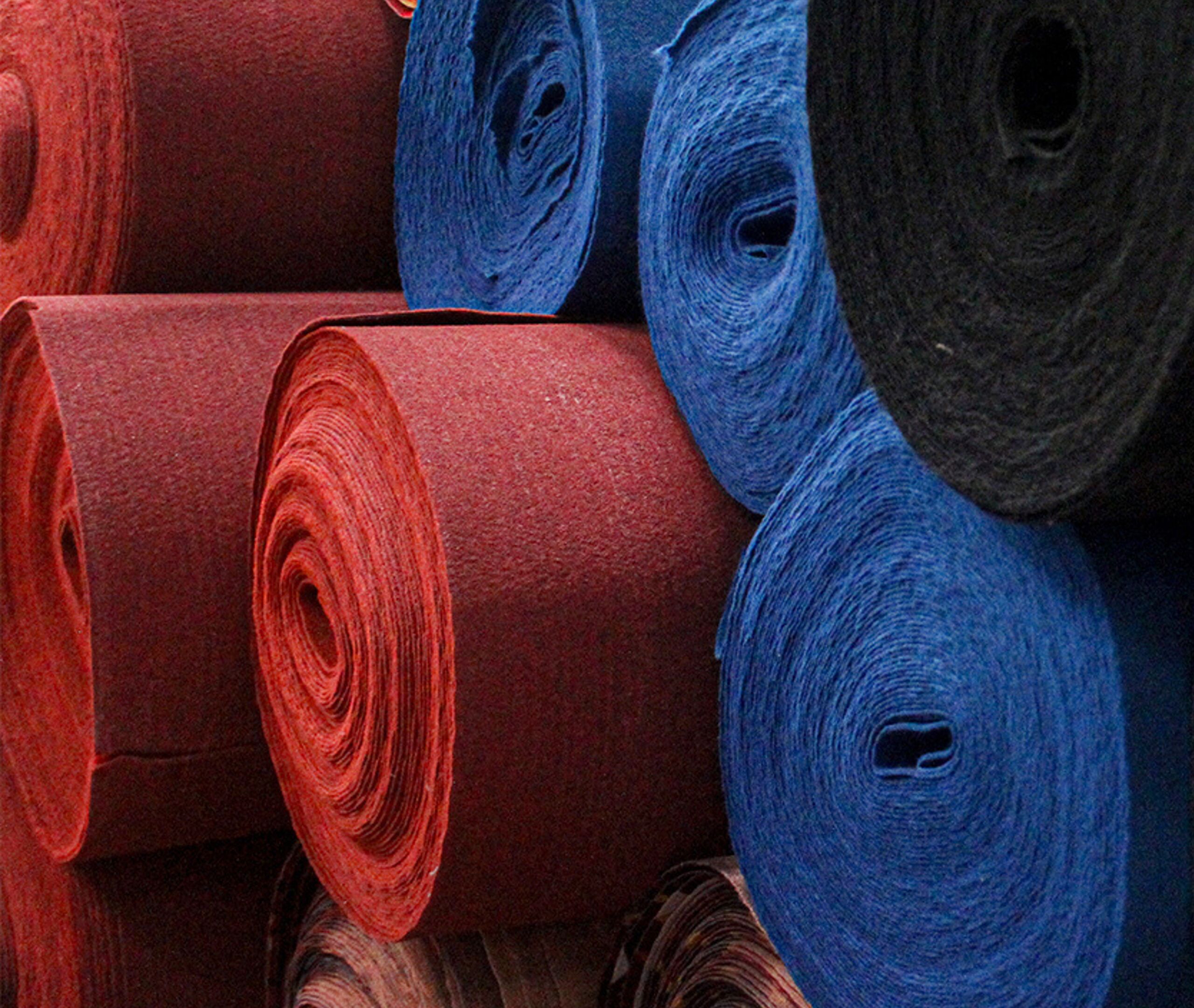
Geotextile is not just any material. Types of woven and non-woven fabrics are used differently. It is selected based on the type of soil, the load, the drainage requirements, and the service life expectations.
Experience shows that early consultation is the way to prevent overdesign or poor performance. The correct decision can be easily explained by just looking at the soil reports and the amount of traffic loading.
Why this Matters More Now
The road network in India is growing at a rate never seen before. Simultaneously, the availability of land and the quality of soil are becoming complicated. Geotextile in Road Construction helps in this growth by enhancing durability without necessarily consuming heavy resources.
To the planners, contractors, and developers, it is moving towards the long-term value instead of short-term savings.
How is geotextile primarily applied in roads?
It isolates the soil and aggregates, enhances drainage, and strengthens weak subgrades
Is geotextile applicable to Indian monsoons?
Yes. It assists in controlling the water movement and lowering the soil erosion that occurs during severe rains.
Do geotextiles decrease the costs of the construction of roads?
Over time, yes. They reduce maintenance requirements and consumption of materials.
Do the Indian road standards require geotextiles?
They have been suggested in most IRC-based designs in weak soils and drainage areas.
Road infrastructure is still developing in India, and knowledge of material selection is necessary. Discussing the matter with everyday Indian terrain workers, like the groups related to Supreme GeoTech, would assist in understanding what would be best applied to your project, as well as what might be unnecessary.