How Industrial Felts Help Reduce Noise and Vibration in Machinery
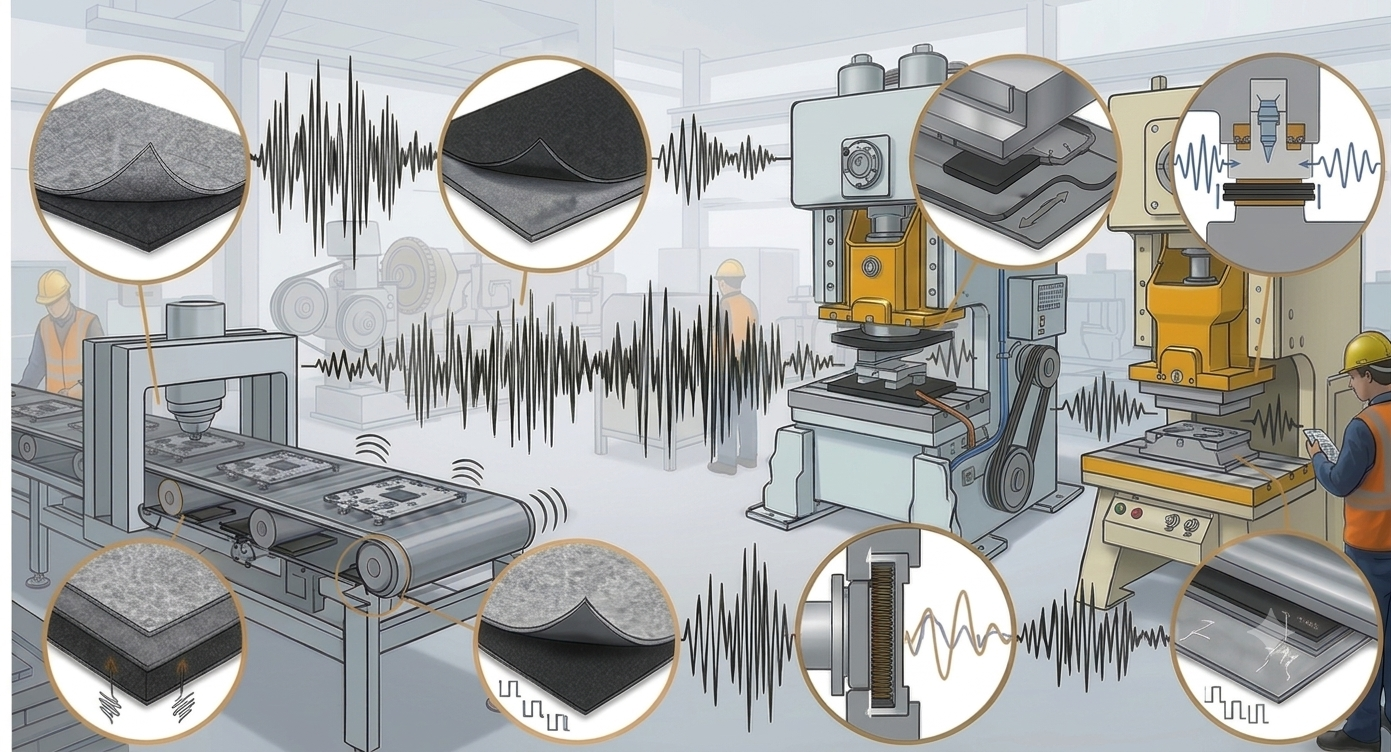
Some of the common problems in a workshop or factory include vibration and noise. Machines used in such facilities may include presses, stamping machines, and conveyors, among others, which may produce vibration and noise. Selecting the appropriate nonwoven felt fabric could provide padding between components that would help in reducing some of the noise resulting from continuous movement.
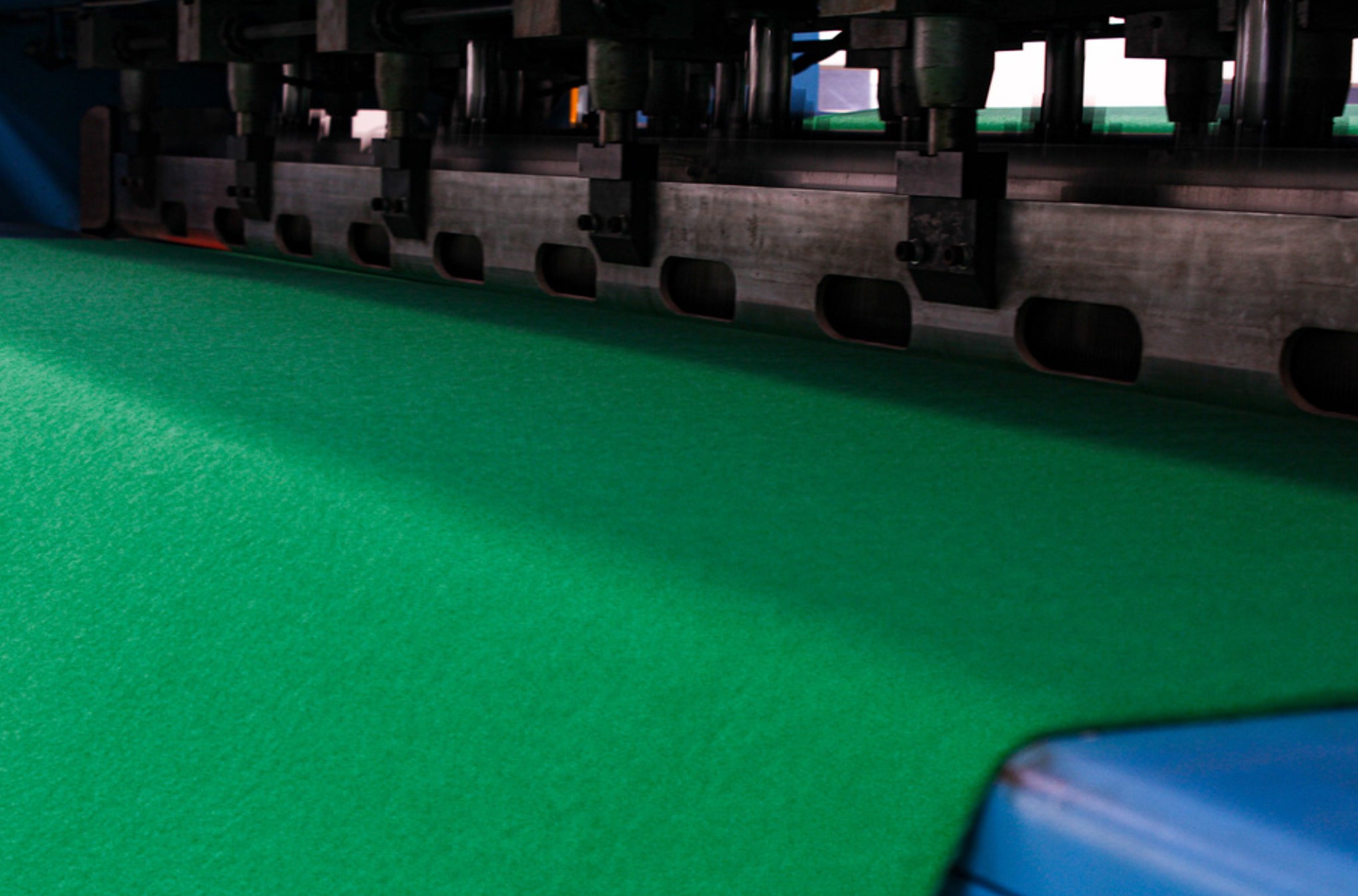
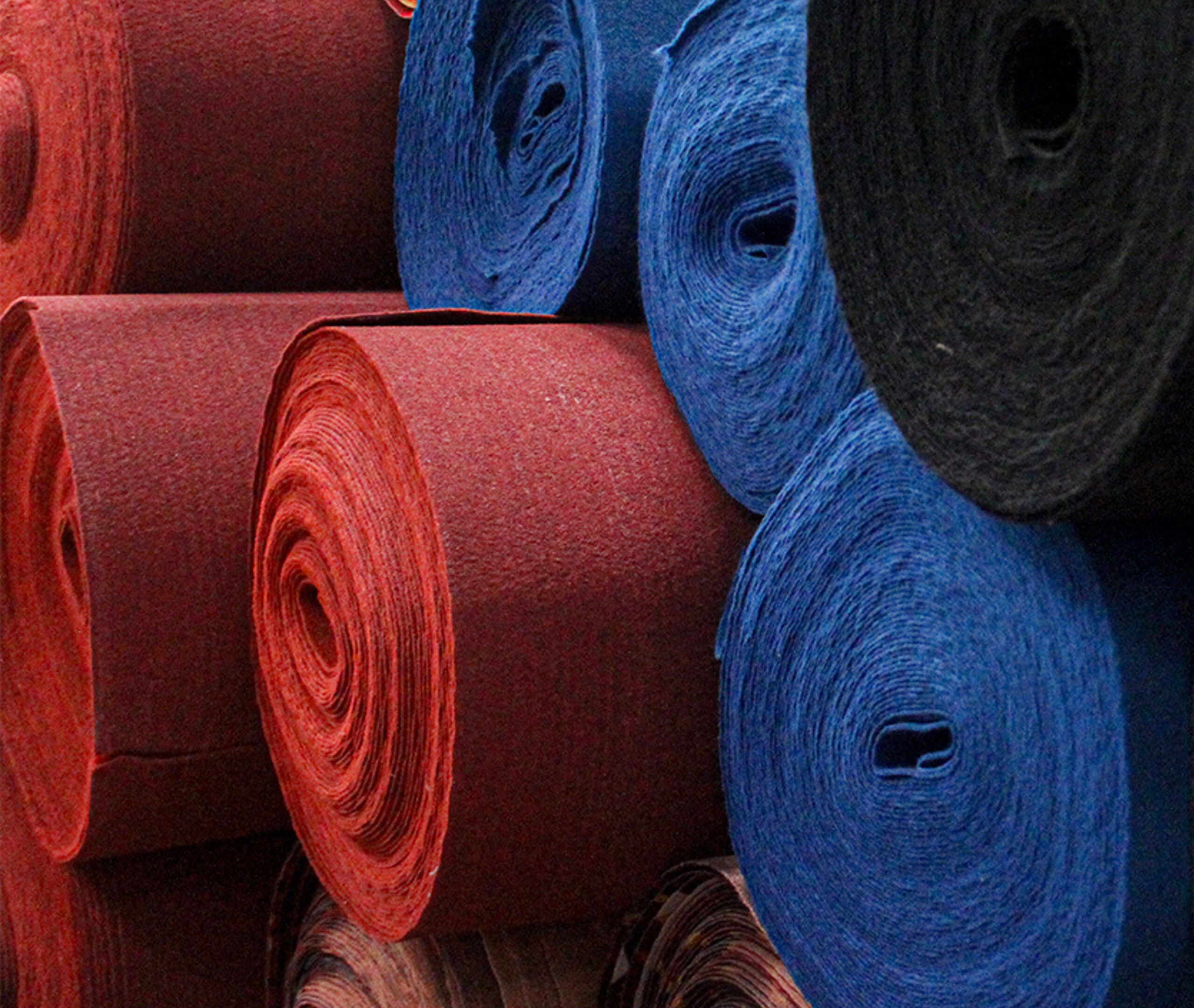
We at Supreme Geotech produce industrial felt fabrics under SuperFelt. Our nonwoven needle-punched felt fabrics composed of polyester and polypropylene are used as industrial felt for noise reduction. Product specification ranges include GSM from 100 to 700, thickness from 0.6 mm to 6 mm and width from 0.5 m to 5 m. The correct grade is dependent on the purpose of use.
How Industrial Felt Helps Control Machinery Noise
Continuous movement of the machinery will create noise due to friction between the machinery components. Our industrial felt fabrics offer a cushioning material in areas of suitable contact points or mounting places. The material will minimise noise and prevent the transfer of vibrations depending on the machinery and the industrial felt used.
Our industrial felt for noise reduction will perform effectively in case the fabric matches the intended application. The felt will not cover the whole machinery but be used in selected areas where there is contact between the components.
The machinery, like conveyors, may require cushioning material in suitable contact points and mounting places. For example, in the press machines, appropriate felt fabric strips may help minimise impact between components. The selection will have to be done without affecting the clearance or the safety of the machinery.
Reducing Repeated Machine Vibration
Vibration is one issue that must be considered when there are any moving parts in machinery. Vibration, when repeated, can cause unnecessary noise as well as affect the parts.
Industrial felt for vibration damping can serve as a cushion layer on compatible surfaces or locations. Our industrial felt fabrics can assist in the absorption of impact and vibration; however, this will depend on the thickness, density, compression, and installation of the material.
For instance, a strip of our nonwoven felt fabric would work on a compatible contact location of a conveyor assembly, and a felt pad can work on a machine contact location. The use of felt can also apply to presses and stamping machines in specific locations.
It is important to choose the right grade and installation of felt fabric to prevent the effect of unnecessary heat, friction, or contact with moving parts.
Felt for Machinery Noise Reduction
Most factories find themselves in the need to control noise without disrupting the usual operations of their machines. Our felt for machinery noise reduction is a highly adaptable material that can be applied to some particular cases of noise control when contact, impacts, or vibrations are involved. But felt cannot help with controlling noise in case of many sources like airborne noise or faulty machinery.
We at Supreme Geotech provide industrial felt fabrics of various specifications. This provides an opportunity to evaluate existing grades, GSM, thicknesses, and widths and choose the necessary fabric.
Our industrial felt fabrics can also be used in other relevant industries like bag manufacturing, leather goods lining, footwear, safety garments, packaging, and acoustics. The choice depends upon the intended purpose of the material and not the product type itself.
Industrial Soundproofing Felt for Industrial Workspaces
Industrial soundproofing felt help in sound control where appropriate acoustic applications are concerned. By offering cushioning or lining to particular sections, this material will assist in solving particular types of noises. The suitability of felt will depend on the noise source, how the felt is to be installed and the characteristics of the felt.
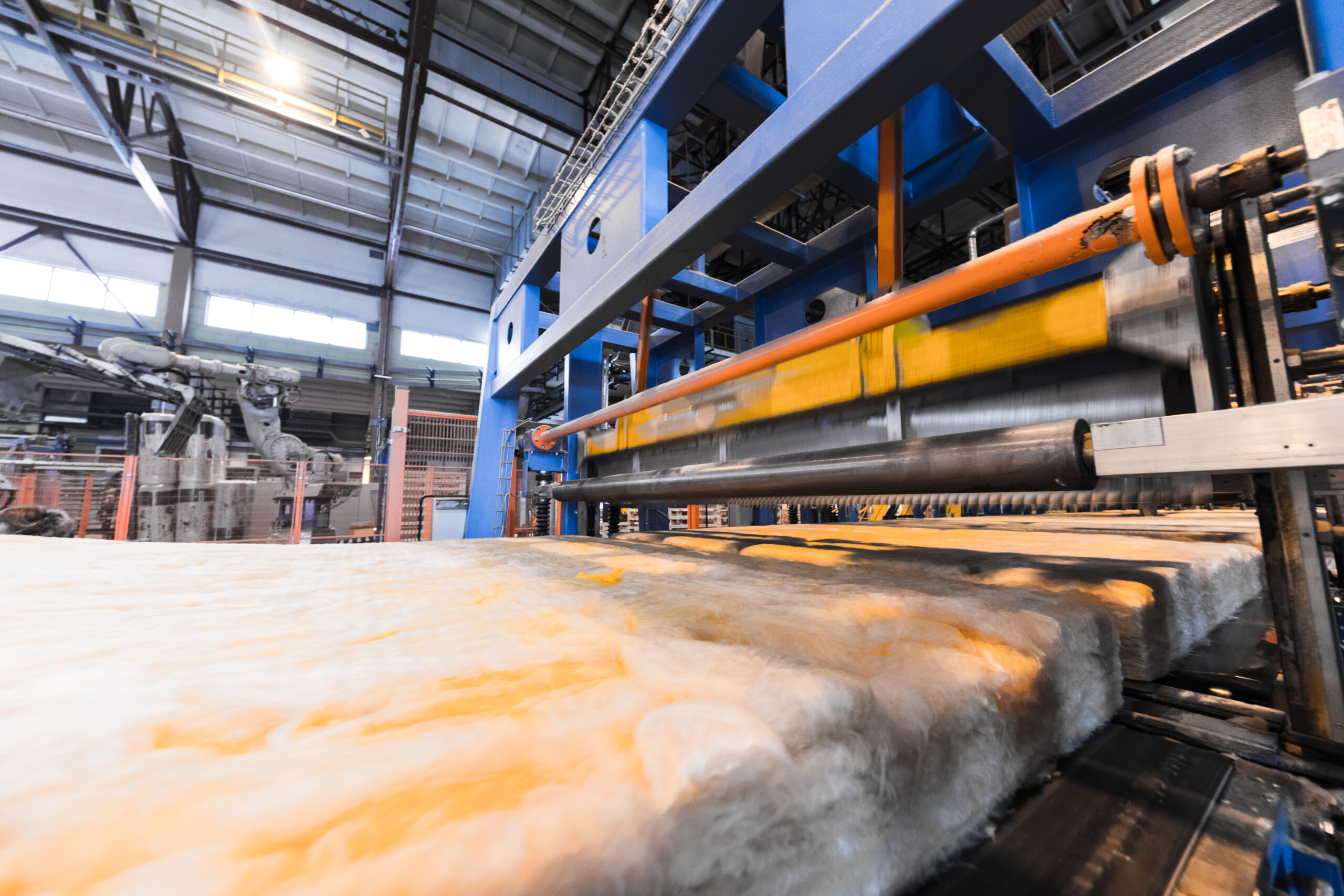
We at Supreme Geotech produce customised needle-punched felt fabrics using automated manufacturing machines. The buyers can pick any product regarding the required specifications.
Our felt fabrics also offer cushioning to prevent any impact on compatible components. But buyers need to look at operational temperature, compression, friction and other exposure conditions of felt near machines.
Selecting the Right Industrial Felt
The success of a felt solution is dependent on the right choice of material based on the machine and working environment. Variables like thickness, GSM, density, material content, dimension, and placement of the installation can have an effect on performance.
Our industrial felt fabrics are made up of:
1.GSM: 100–700
2.Thickness: 0.6–6 mm
3. Width: 0.5–5 m
4. Material: Needle-punched polyester and polypropylene
5. Customisation: Dimensions and other specifications of the products may be discussed as per application
These do not ensure that each grade is effective in controlling noise or vibrations. It is up to the customer to determine which grade, density, thickness, and other specifications suit the application.
When considering an application for a machine, the placement of the felt, whether there is any form of compression or friction involved, and whether there is room for the safe operation of the felt without interfering with the motion parts are other key considerations.
Conclusion
Reducing noise and vibrations generated by machines may be beneficial in creating a better working environment in industries. Our industrial felt fabrics may serve as buffers at chosen points of contact and help reduce certain kinds of noises related to impacts as well as help dampen vibrations in appropriate cases.
Our industrial felt for noise reduction is under SuperFelt with specifications and customisation according to various industrial needs.
Does industrial felt have the ability to mitigate noises produced by machinery?
Yes. Industrial felt has the ability to reduce impact noise and vibrations through proper selection and installation of a good grade of felt. This will depend on the nature of the noise, specification of materials and location.
What type of machinery is industrial felt useful for?
Good uses could include suitable contact or support areas in conveyors, presses and stamping machines among others. The felt should meet the operational requirements of the machinery.
How does industrial felt assist with vibration reduction?
The felt acts as a buffer between compatible contacting parts or at specific mounting positions. The effectiveness of the felt will depend on the GSM, thickness, density and compression.
What materials are used in the manufacture of industrial felt?
Industrial felt fabrics are made using needle-punched polyester and polypropylene fibres. The right material and grade will depend on the application intended.