
Role of Geosynthetics in Canal Waterproofing
Geosynthetics Waterproofing serves as an essential component that protects modern canal construction from water loss while maintaining its long-term structural integrity. The canal systems serve three vital functions because they provide water for irrigation purposes, supply water for various needs, and support infrastructure development, which creates a need for effective waterproofing methods. The traditional protection methods provide insufficient defense against water intrusion, which results in long-term damage to structures.
Geosynthetics function as a dependable solution that organizations use to enhance canal systems because of improvements in construction technology. The geotextile fabric sheets become essential materials that help canal structures achieve stronger performance and better water retention abilities.
Insight into Geosynthetics Waterproofing for Canals
1. Water Seepage Prevention
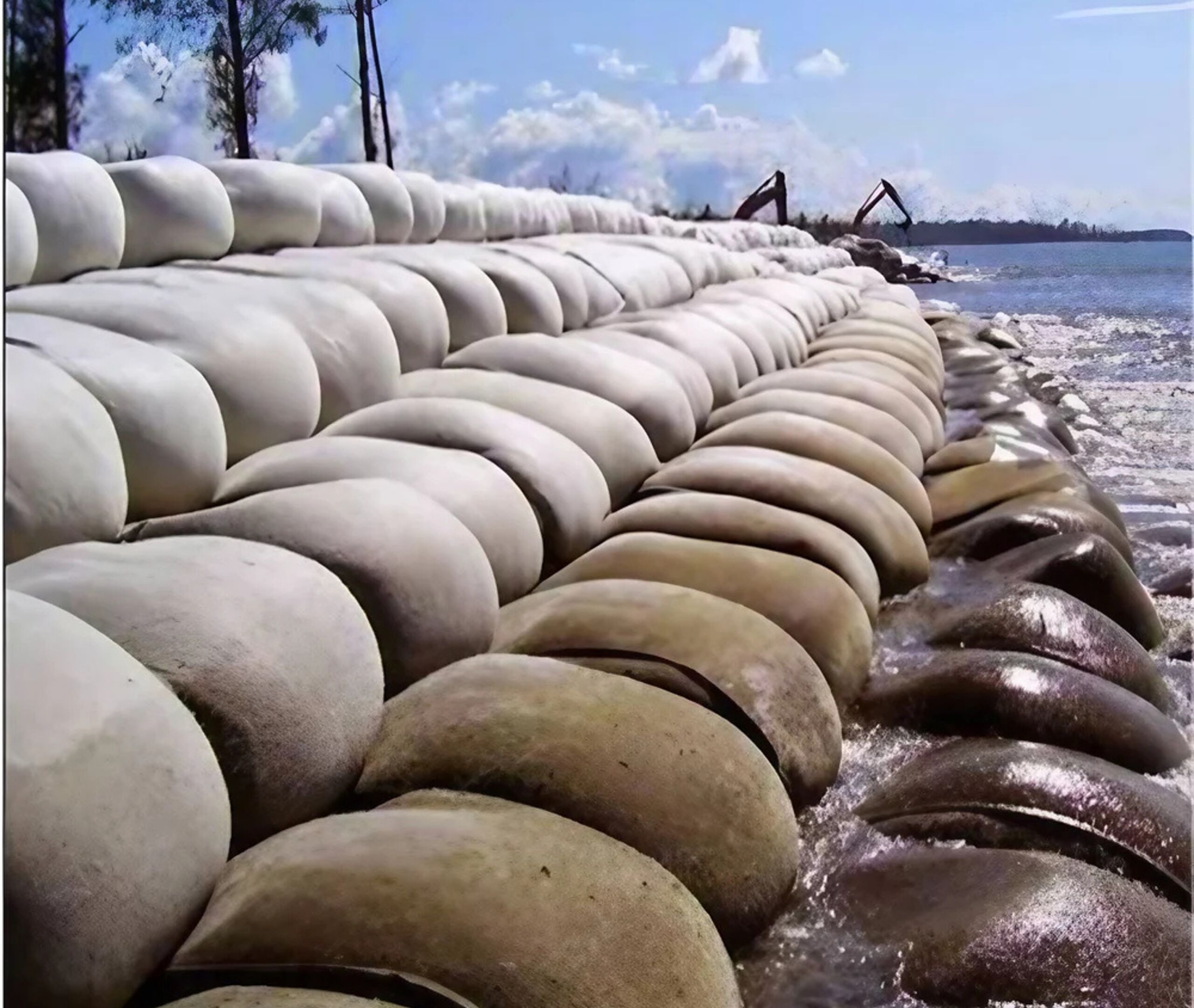
The first and foremost purpose of Geosynthetics Waterproofing is to prevent water seepage. Canal liners made using geosynthetic products offer resistance against water percolation from canals to adjacent soils, thereby enhancing the efficiency of water conveyance without any wastage.
2. Improved Structural Stability
Geosynthetics provide an added advantage in terms of improving the stability of canal structures. The presence of materials like geotextile fabric sheets ensures that the load distribution on the canal bed and slopes remains uniform.
3. Compatibility with Various Soils
Soils of different compositions require special treatment. The range of geocell products designed by various geocell manufacturers in India enables the canal system to adjust according to the nature of the soil.
Structural Implementation
Efficient waterproofing and strengthening are very important for canal systems.
Important Advantages of Geosynthetics in Canal Waterproofing
1. Longer Life and Higher Durability
Geosynthetics have been engineered to sustain rough weather conditions and water pressure. Utilizing Geosynthetics Waterproofing increases the longevity of the canal structure as well as minimizes its maintenance.
2. Economical Construction Technique
As opposed to traditional building methods, Geosynthetics are relatively cheaper. They consume lesser amounts of raw materials, thus cutting down on costs. Solutions provided by geocell manufacturers in India contribute significantly to this goal.
3. Optimal Filtration and Drainage
Effective drainage systems ensure the proper functioning of canals. Geosynthetic fabric sheets serve as filtration media, letting water seep through without letting soil particles enter the system and cause clogs.
Installation Approaches and Future Scope
1. Multi-Layer Approach in Installation
There is more than one layer used in installing geosynthetics to provide efficient waterproofing. The layers range from membranes, grids, and filtration layers to create an efficient channel liner.
2. Combination with Contemporary Engineering
Contemporary engineering practices have been incorporated into canal projects, which makes geosynthetic integration easier and efficient. Canal plans with modern engineering are the way to go forward for the future.
3. High Demand and Technological Innovation
Geosynthetics Waterproofing has high demand due to increased projects, and technological innovations will further improve their efficiency in canal construction. Recent technologies should be incorporated into the structure and design of the canal.
Application Compositional
Innovative technologies are making future perspectives bright for canal waterproofing solutions.
Environmental and Operational Efficiency
1. Prevention of Water Leakage
Water leakage through canals is common owing to its permeation into the soil around it. Geosynthetics Waterproofing acts as an efficient sealant, preventing any seepage and thus resulting in effective water flow in channels. Apart from improving irrigation efficiency, this technology helps conserve water, which is an important natural resource.
2. Minimized Maintenance Needs
With enhanced resistance against corrosion, Geosynthetic material prevents wear and tear caused to canals due to soil and erosion. In addition, Geotextile fabric sheeting provides support against clogging by offering stable filtration. Consequently, maintenance needs of canals are lowered due to improved structural strength.
3. Assistance towards Building Sustainable Infrastructures
The innovations by Geocell manufacturers in India offer environmental safety benefits in their contribution towards sustainable infrastructure building through canal improvements. These companies supply the required materials for the building infrastructure.
Efficiency Analysis
This increases the efficiency of irrigation and conserves water in infrastructural systems.
Conclusion
The implementation of Geosynthetics Waterproofing technology has changed the process of canal construction by delivering dependable methods that prevent water leakage, maintain structural integrity, and support building operations for extended periods. Modern infrastructure projects require geosynthetics as essential materials because they provide benefits such as enhanced durability, cost savings, and flexibility. Geosynthetics will become increasingly important because the need for efficient water management systems continues to rise.
Supreme Geotech delivers high-quality Geosynthetics Waterproofing solutions that provide outstanding performance and enduring strength for canal construction projects. The company provides dependable and effective geosynthetic solutions that construction projects need because of its advanced materials, technical expertise, and continuous commitment to innovation.
FAQs
What does geosynthetic waterproofing entail?
This is the use of synthetic materials to prevent water from leaking.
How can canals be affected by this technology?
Canal water will become less leaky and create a sturdier structure.
What are the different types of geosynthetic waterproofing materials?
The list includes geotextiles, membranes, and reinforcement systems.
Is this form of waterproofing affordable?
Yes, it will reduce both maintenance and construction costs.
Does geosynthetic waterproofing improve the longevity of canals?
Yes, this technique will positively impact the long-term performance of canals.