
The Top Applications of Non-Woven Geotextile in Civil Engineering
In Indian civil engineering projects, soil conditions are rarely uniform. From black cotton soil belts to flood-prone alluvial plains, ground behaviour changes every few kilometres. In practice, this is why engineers rely on Non-Woven Geotextile to improve stability, drainage, and long-term performance. It is not a theoretical solution. It is a material tested daily on Indian roads, railways, landfills, and water projects.
Non-woven geotextiles are made from synthetic fibres bonded mechanically or thermally. They allow water to pass through while holding soil particles in place. This balance is what makes them suitable for diverse civil applications, especially in India’s demanding climate.
Road Construction and Pavement Layers
One of the most common uses of Non-Woven Geotextile in India is road construction. In local highway and rural road projects, weak subgrades often lead to rutting and cracking within a few monsoons.
In practice, a non-woven geotextile is placed between the subgrade and the granular layer. It acts as a separator and prevents soil mixing. This improves load distribution and keeps the pavement layers intact.
On roads exposed to heavy rainfall, the filtration property helps drain excess water without washing away fine soil. From local PWD roads to national highway widening projects, this application is widely seen and trusted.
Drainage Systems and Water Management
Drainage failure is a silent problem in Indian infrastructure. Blocked drains often cause waterlogging, pavement damage, and foundation weakening.
Non-woven geotextiles are commonly wrapped around drainage pipes or used as filter layers in trenches. They allow water to flow freely while stopping soil intrusion. This is especially useful in urban stormwater drains and basement drainage systems.
In areas with high silt content, like riverine regions, engineers prefer non-woven materials because they resist clogging better over time.
Railway and Metro Infrastructure
Railway tracks demand consistent support and controlled drainage. In Indian Railways and metro projects, non-woven geotextiles are used beneath ballast layers.
From local projects, this reduces ballast fouling and maintains track geometry. It also extends maintenance cycles, which is critical in high-traffic corridors.
Metro construction in cities with soft soil, such as coastal and delta regions, relies heavily on geotextiles for separation and drainage.
Embankments and Soil Stabilisation
Embankments for highways, canals, and flyovers often face slope instability. In practice, non-woven geotextiles are used to improve soil behaviour without altering the soil itself.
They act as a filter and drainage medium, reducing pore water pressure during monsoon seasons. This is crucial in regions where slope failures are commonly seen after heavy rainfall.
When combined with other geosynthetics, non-woven geotextiles help increase the life of embankments with minimal environmental disturbance.
Landfills and Waste Management Projects
Modern landfills require careful control of leachate and gas movement. Non-woven geotextiles are used as protective and filtration layers above and below geomembranes.
In Indian municipal projects, they prevent damage to liners while allowing liquids to pass into drainage layers. This protects groundwater and supports regulatory compliance.
A reliable geotextile manufacturer in India understands the importance of durability and chemical resistance in such applications.
Erosion Control and Riverbank Protection
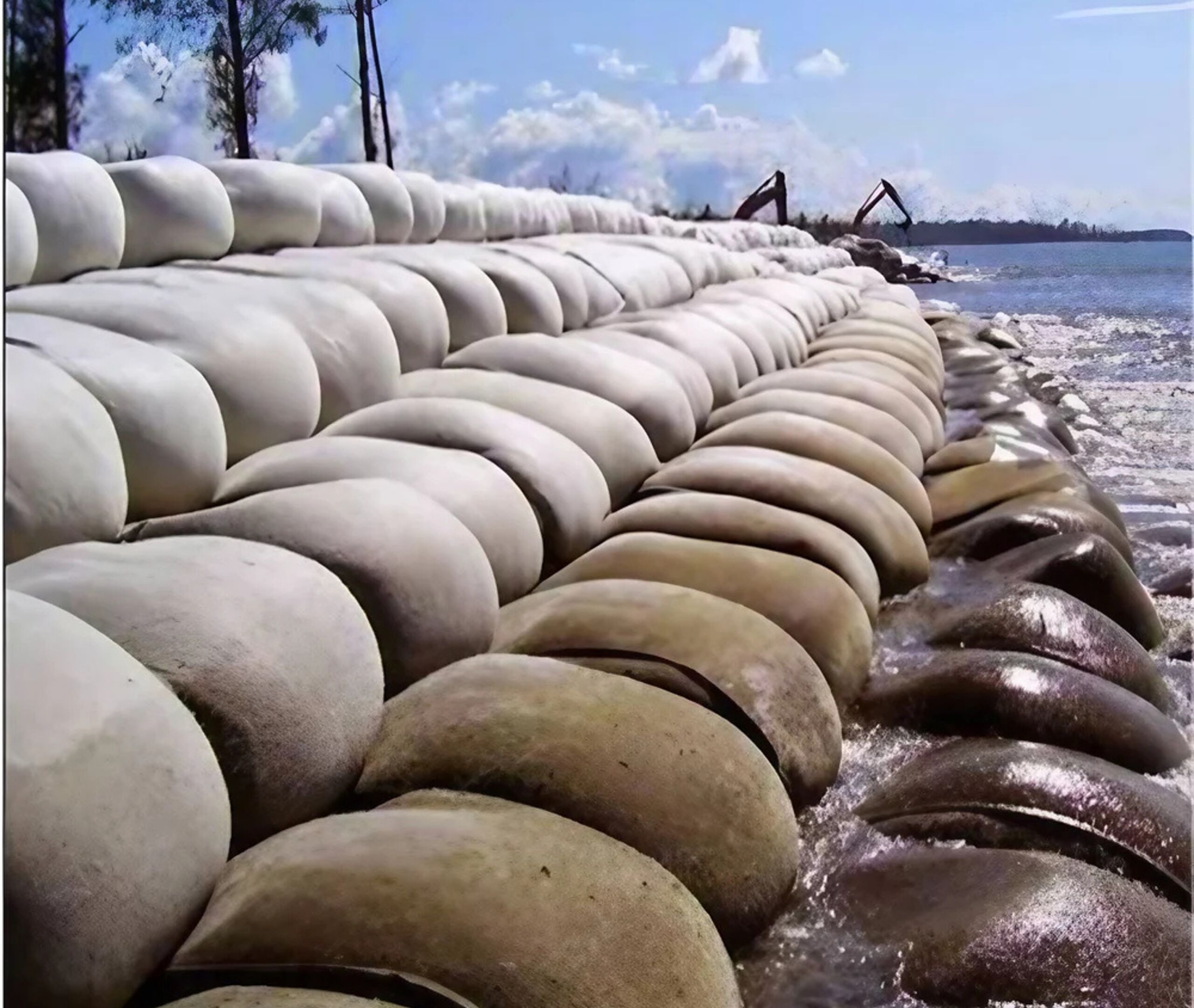
India’s rivers are dynamic, and erosion control is a constant challenge. Non-woven geotextiles are used beneath stone pitching, riprap, and gabions.
They prevent soil loss while allowing water movement. In practice, this is seen in canal linings, riverbanks, and coastal protection works.
These applications are especially relevant in flood-prone states where soil erosion affects agriculture and infrastructure alike.
Tunnels, Foundations, and Structural Drainage
In underground structures, water pressure can cause long-term damage. Non-woven geotextiles are used in foundation drainage and tunnel linings to manage seepage.
They create a controlled drainage path without blocking water flow. This reduces hydrostatic pressure and protects concrete structures.
Such applications are common in metro tunnels and large commercial basements across Indian cities.
Choosing the Right Material for Indian Conditions
Not all non-woven geotextiles perform the same. GSM, permeability, tensile strength, and durability matter. In Indian conditions, materials must handle heat, moisture, and varying soil chemistry.
Supreme Geotech manufactures non-woven geotextiles designed for real site conditions, not just laboratory testing. From road construction to waste management, their solutions reflect practical engineering needs.
When selecting a supplier, experience across Indian projects matters as much as technical specifications.
Final Thoughts
Civil engineering is about managing risk over decades, not just completing construction. Materials like Non-Woven Geotextile quietly improve performance long after a project is finished. For Indian engineers and project planners, speaking with experienced professionals or established manufacturers like Supreme Geotech can offer clarity on specifications, suitability, and long-term value, especially before finalising design decisions.
What is the main function of non-woven geotextile?
It provides separation, filtration, and drainage while allowing water to pass through without soil loss.
Is a non-woven geotextile suitable for Indian monsoon conditions?
Yes. In practice, it performs well under heavy rainfall due to high permeability and clog resistance.
Where is non-woven geotextile commonly used in India?
It is widely used in roads, railways, drainage systems, landfills, and erosion control projects.
How do I choose a reliable geotextile manufacturer in India?
Look for proven project experience, quality control, and materials suited to Indian soil and climate.