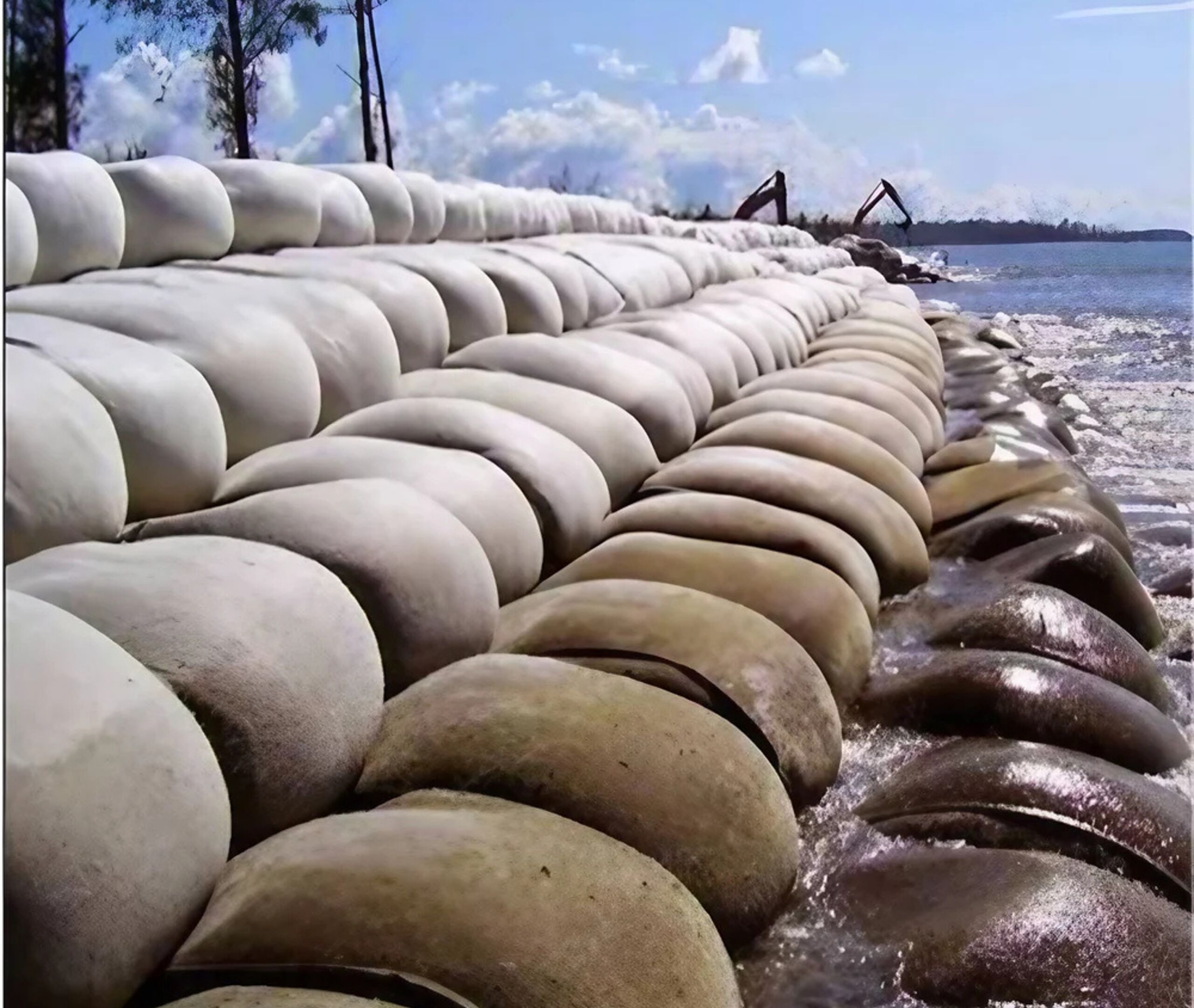


What are Geosynthetics? How Do Geosynthetics Work?
In the 21st century, we are surrounded by the pillars of modern civilisation, ranging from the high-speed highways to railway lines and protected coastlines. Behind this thriving civilisation and growth of the construction and engineering field, there lies a secret agent known as Geosynthetics. From stabilising the structures to making them sustainable, this item has its supremacy in the industrial arena. Soil is always considered to be one of the least reliable components in civil engineering for its susceptibility to erosion, moisture changes and shifting loads.
Geosynthetics has emerged as a revolutionary solution and changed the landscape of construction and engineering. This blog of Supreme Geotech explores the definition of Geosynthetics and its way of working to transform the weak and unstable earth into durable infrastructure, which is capable of bearing the weight of modern civilisation.
Fundamentals of geosynthetics
Geosynthetics, in reality, refer to the thin, flexible fabrics that are directly manufactured from petroleum-based polymers. When it comes to engineering applications, it is used in conjunction with the soil or rock and makes the soil more stable and robust at the same time.
Core Composition of Geosynthetics
They are highly durable and resistant to chemical and biological degradation, ensuring they remain effective underground for decades. Here, the common polymers include,
- Polypropylene
This component of Geosynthetics has outstanding chemical resistance and strength.
- Polyester
Polyester has high tensile strength and low creep ability.
- Polyethylene
It is used for geomembranes due to its excellent impermeability.
5 Core Functions Of How Geosynthetics Work
Geosynthetics has five fundamental functions, and here we will discuss these functions in detail.
Separation-
The geosynthetic is placed between two layers of dissimilar materials. This fabric’s structure prevents the intermixing of the two layers. It prevents the chances of soft subgrade from migrating up into the road base in road construction projects. As a result, the chances of rutting or pavement failure can be kept at bay.
Reinforcement-
Thanks to its improved tensile strength, which geosynthetic is incorporated into the soil mass. Soil can resist compression, and the geogrid resists tension, much like steel bars reinforce concrete. Such an interlocking mechanism aids in creating MSE or Mechanically Stabilised Earth. This function works best for stabilising the soft foundation and retaining walls.
Filtration-
The Geotextile, in reality, is a porous filter, and it enables the water to pass through freely. On the other hand, it helps to retain fine soil particles. This function works best around drainage pipes for preventing soil washout and keeping the system functional at the same time.
Drainage-
Geosynthetics have the ability to provide a low-resistance path for water to flow horizontally through the plane of the material. They efficiently collect and convey water away from the structure.
Containment-
Lastly, geosynthetic is also used as a liquid vapour barrier, and it takes part in the prevention of fluid migration. This function ensures that pollutants do not seep into the groundwater from municipal landfills and waste ponds.
Bottom Line
Geosynthetics have altered the way engineers approach challenging ground conditions. By capitalising its five major functions, it aids in turning construction safer and more sustainable. To know more about Geosynthetic and its usage in the industrial sphere or to procure it, visit the website of Supreme Geotech, the leading geotextile manufacturer in India.
FAQ:
What are geosynthetics?
Geosynthetics refer to the synthetic polymer products which are used in conjunction with soil and rock.
Which type of geosynthetic is used for containment?
Geomembranes are used for containment. They mainly function as a barrier for preventing the migration of liquids.
What are the four main families of geosynthetics?
The main families of geosynthetics are geotextiles, geogrids, geomembranes and geonets.