Which Geotextiles Are Ideal for Drainage?
If you have worked on sites in Kolkata, New Town, or even along the highway stretches toward Durgapur, you already know this. Drainage is rarely the headline issue, but it decides how long everything else survives. In Eastern India, water does not just pass through soil. It lingers, seeps, shifts fines, and quietly weakens foundations. That is why choosing the right Geotextiles for Drainage is not a technical afterthought here. It is a practical decision shaped by monsoons, alluvial soil, and long-term maintenance realities.
In practice, drainage failures in West Bengal are less about bad design and more about wrong material behaviour underground. This is where experience matters.
Why does drainage behave differently in Eastern India?
Much of West Bengal sits on young, moisture-sensitive soil. During the monsoon, water tables rise fast. In winter, they recede unevenly. Add urban development with limited natural outlets, and trapped water becomes a daily engineering concern. Around pipeline trenches, retaining walls, road shoulders, and basements, poor drainage slowly builds pressure. Pipes shift. Walls crack. Repairs follow.
Good Geotextiles for Drainage work with this cycle, not against it. They let water move while keeping soil where it belongs. That balance is everything.
The geotextile fabrics that actually work for drainage
After years of use across Indian conditions, one option stands out clearly.
Needle-punched non-woven geotextile fabric
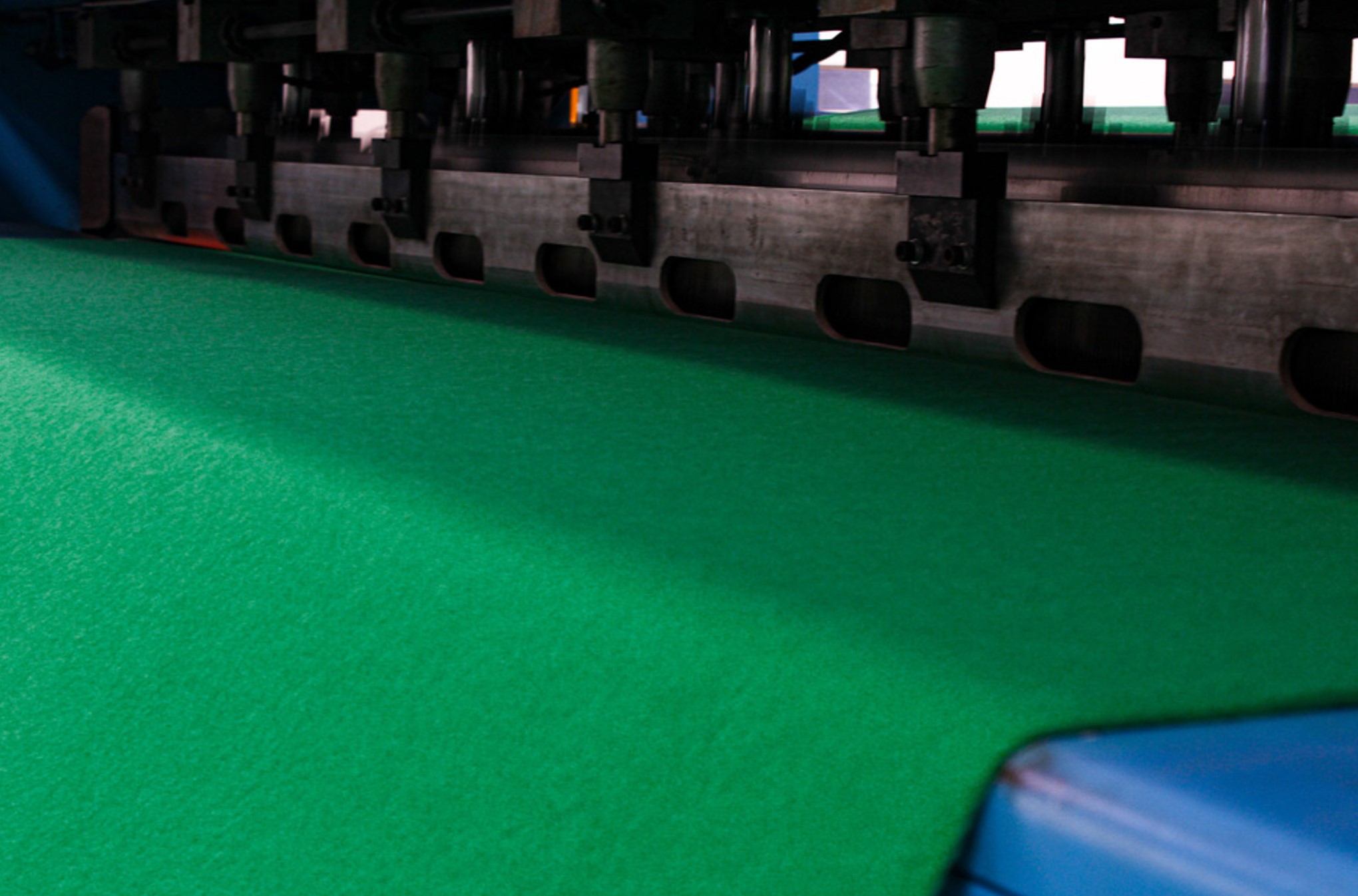
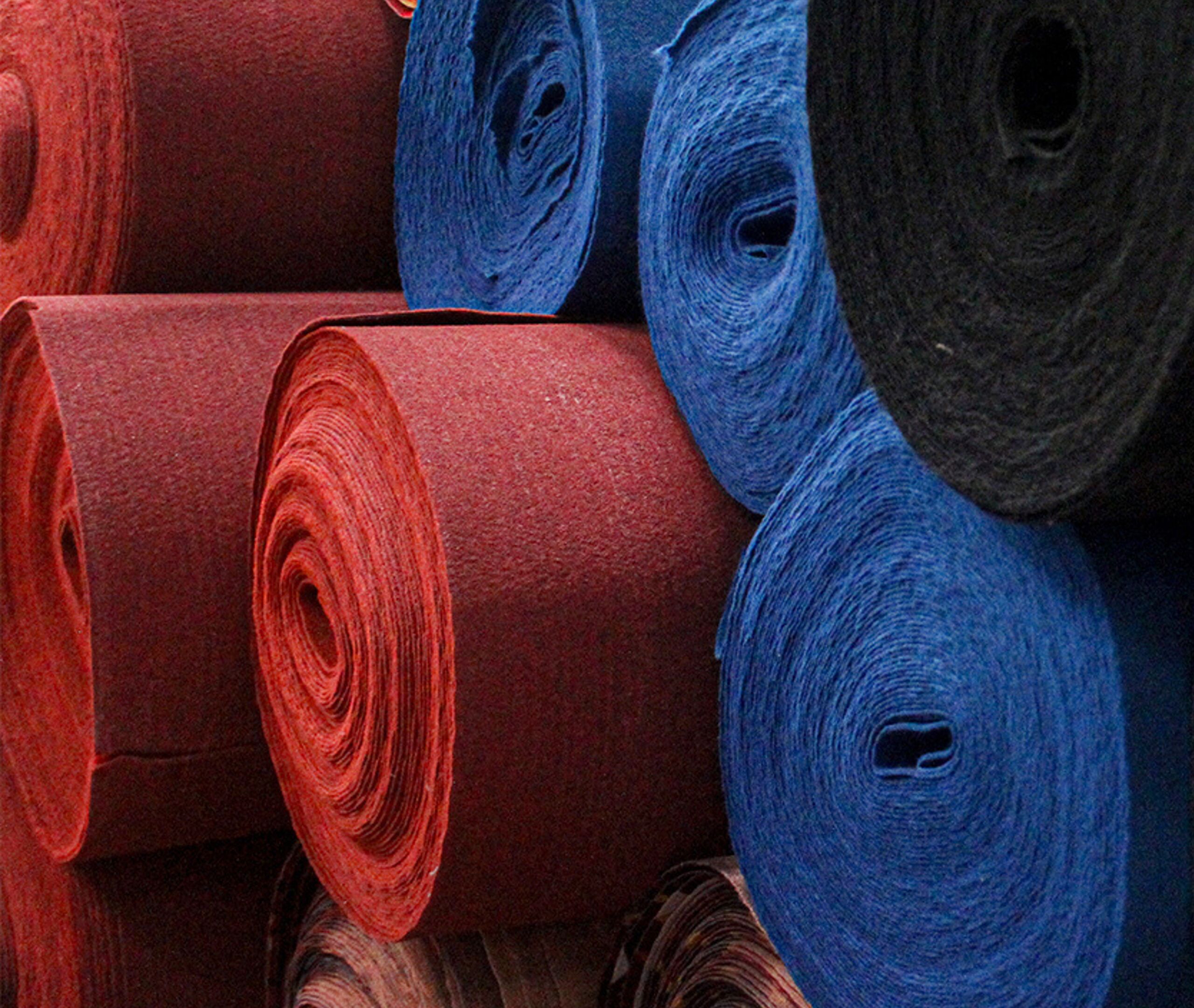
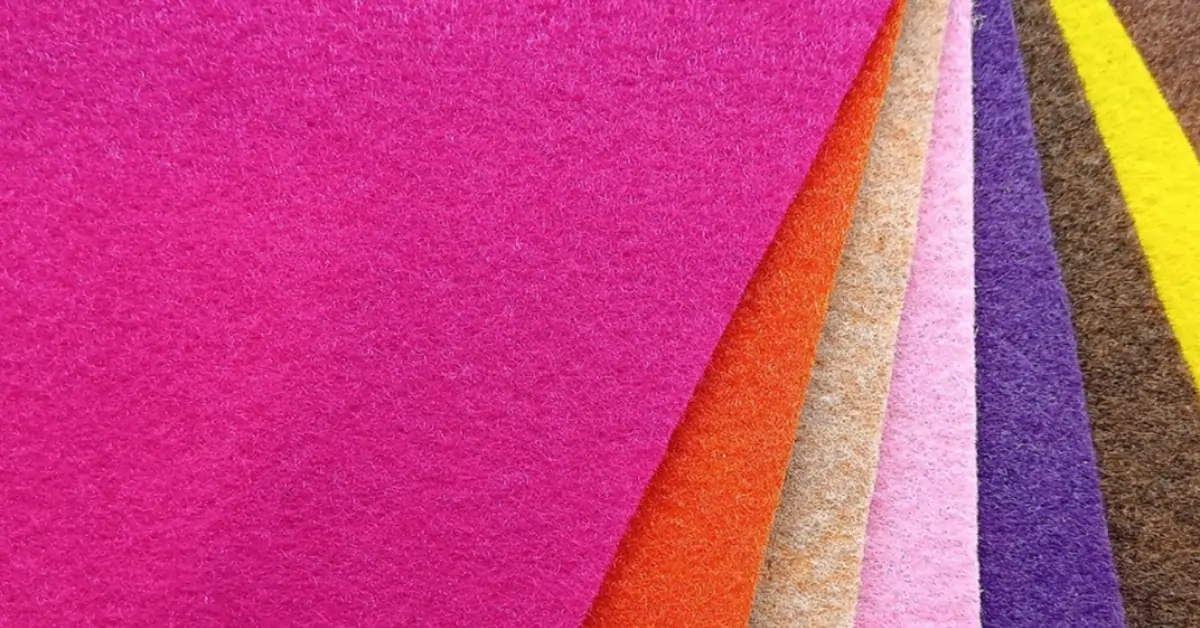
Non-woven needle-punched geotextile fabric is the most reliable drainage solution commonly seen in India. It is not fashionable. It is dependable. These fabrics, usually made from polypropylene or polyester, allow high water permeability while filtering fine soil particles effectively.
In French drains, trench drains, and behind retaining walls, this matters. Water escapes. Soil stays put. Over time, this reduces clogging and prevents hydrostatic pressure buildup. Around Kolkata, this is especially useful where fine silts migrate easily during prolonged rainfall.
Contractors prefer this material because installation errors are forgiving. Even when site conditions change mid-project, non-woven fabrics continue to perform.
Geocomposite drains for heavier loads
In large infrastructure projects, such as highways, rail corridors, or landfill zones, drainage demand increases sharply. Here, geocomposite drains are often used. These systems combine a geotextile fabric with a rigid geo-net core, creating a controlled flow path with higher discharge capacity.
They are not always necessary, but when space is limited and loads are high, they outperform traditional granular drains. In India, they are more commonly specified in engineered projects rather than small private developments.
Woven geotextiles in selective roles
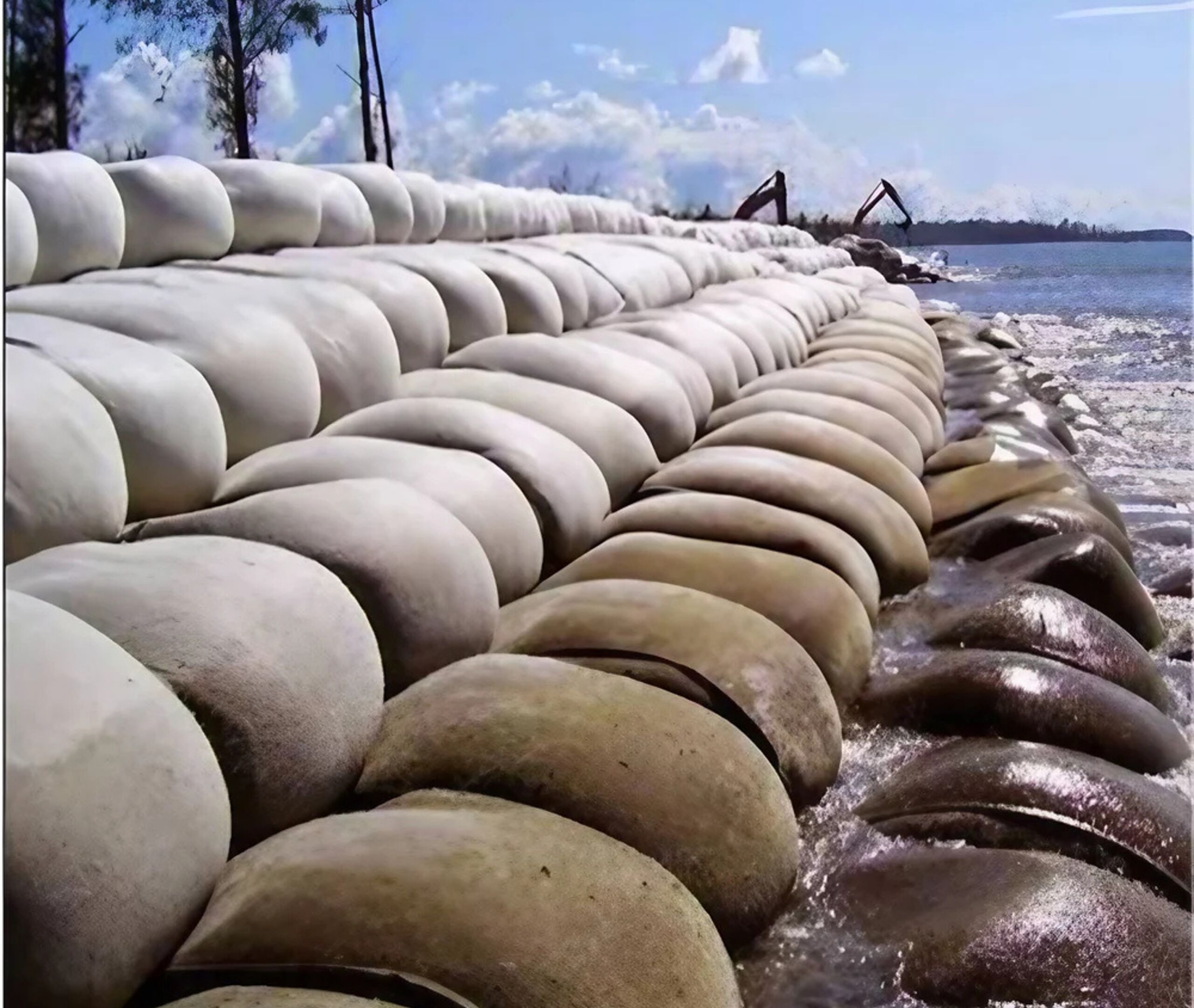
Woven geotextiles are often misunderstood. They are strong, yes, but not ideal when drainage is the primary goal. Their lower permeability makes them better suited for separation and reinforcement. In coastal or riverbank works, PET woven fabrics are sometimes paired with non-woven layers to manage erosion while maintaining stability.
The rule is simple. If drainage is critical, non-woven comes first. Woven supports it, not replaces it.
What really matters when choosing geotextiles
On paper, specifications look impressive. On-site, a few practical factors decide success.
GSM selection is one. For most drainage and filtration applications, non-woven fabrics between 100 and 300 GSM work well. Heavier is not always better. In soft soil, flexibility matters more than weight.
Material choice also matters. Polypropylene performs well in most drainage environments. Polyester is preferred where higher temperature or chemical stability is needed. Indian-made products are designed for these realities. This is why suppliers like Supreme Geotech focus on local soil behaviour rather than imported assumptions.
Application clarity is the final piece. Roads, railways, retaining walls, and embankments all demand drainage solutions that reduce long-term maintenance. In India, labour skill levels vary. Systems that tolerate minor installation variations tend to last longer.
Where Supreme Geotech fits into real projects
Supreme Geotech has built its geosynthetics portfolio around Indian conditions. Their range of geotextile fabric, geocomposites, and geobags reflects practical usage across drainage, erosion control, and soil stabilisation. In Eastern India, consistency and filtration performance matter more than marketing claims.
It is also worth noting how geocell manufacturers in India increasingly recommend a non-woven geotextile fabric layer beneath cellular confinement. This layered approach improves drainage and extends pavement life, especially in high rainfall zones like West Bengal.
Drainage decisions rarely get attention until something fails. In West Bengal, choosing the right Geotextiles for Drainage is less about specification sheets and more about understanding soil, water, and time. If you are planning a project and want clarity rooted in local experience, speaking with a Kolkata-based geotechnical professional or reviewing guidance from teams like Supreme Geotech can help you move forward with confidence, not guesswork.
FAQ
Are non-woven geotextiles suitable for high water table areas like Kolkata?
Yes. Their permeability allows water to drain while preventing soil migration.
What GSM geotextile is ideal for drainage applications?
Typically 100 to 300 GSM, depending on soil type and load conditions.
Do geocomposite drains replace traditional gravel drains?
In space-constrained or heavy-load projects, they often perform better with less maintenance.
Can woven geotextiles be used for drainage?
Only in limited cases. They are better suited for reinforcement than pure drainage.