Woven vs. Non-Woven Geotextile: Which One Do You Need?
There are many civil engineering projects that could be benefited by geotextiles because geotextiles aid in separating soil, filtration, drainage, reinforcement, and protection from erosion. It is not necessary that all types of projects need the same fabric. Knowing about the distinction between woven and non-woven geotextiles will allow engineers and contractors to choose the right material according to the nature of the ground and their requirements.
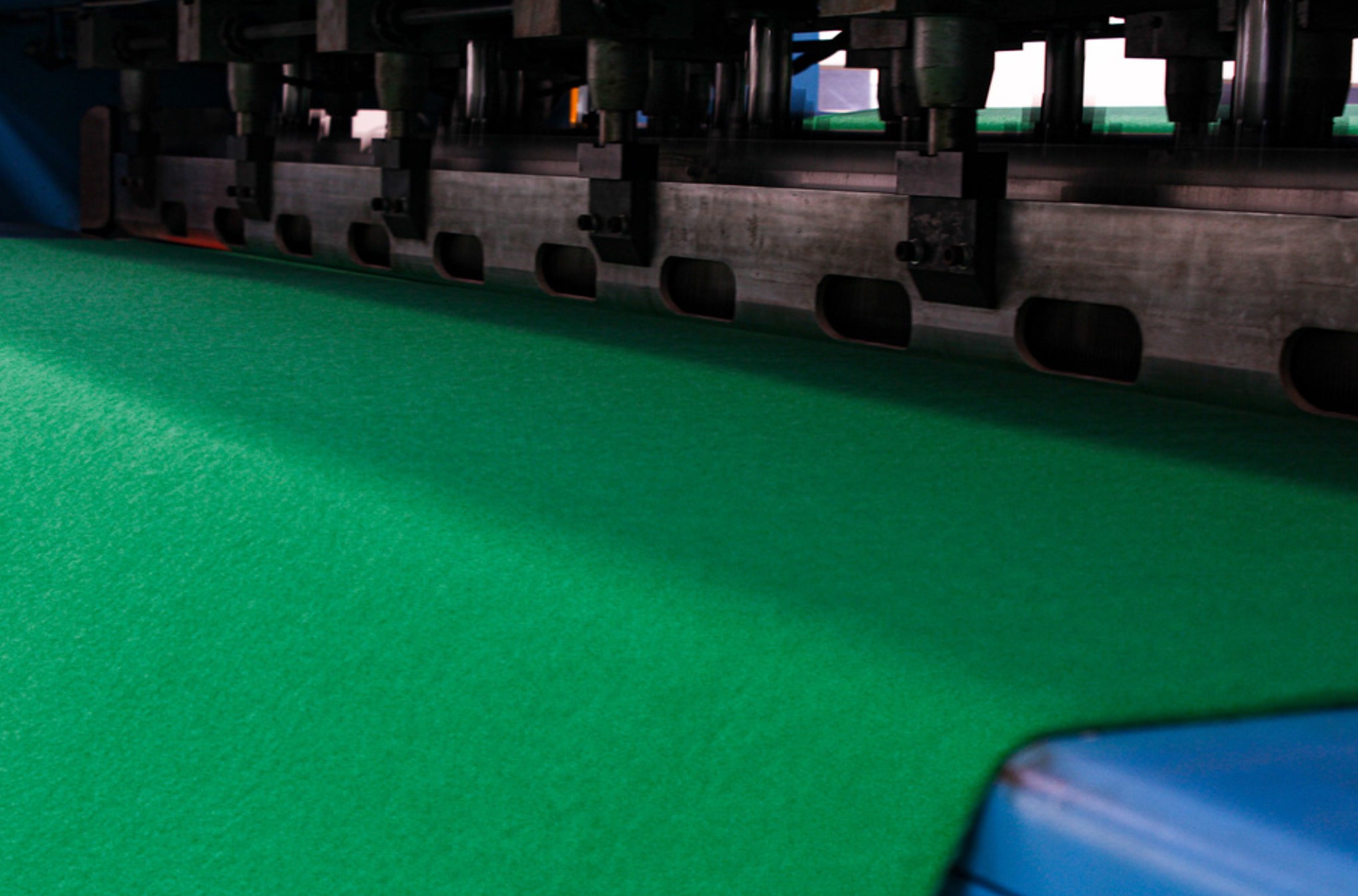
We at Supreme Geotech produce high-grade non-woven geotextile fabric which can be employed in different kinds of infrastructure projects. The non-woven geotextile fabric is produced using the process of needle-punching, wherein polypropylene and polyester staple fibres are used to manufacture the product. We, a geotextile manufacturer in India, provide geotextiles for roads, railroads, drainage, landfills, tunnels, ports, riverbanks, and coastal regions.
What Are the Types of Geotextile Fabric?
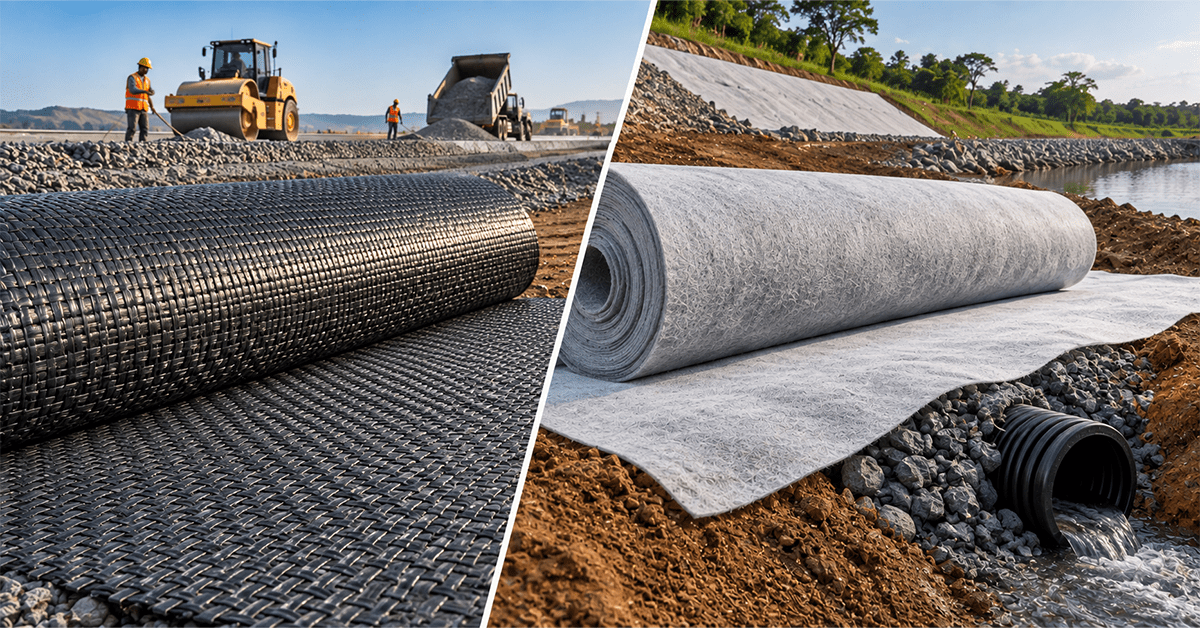
In general, there are two types of geotextile fabrics that are readily available. These include woven geotextiles and non-woven geotextiles. While both types play a vital role, there is a difference between them. Woven geotextiles are manufactured through weaving of threads following a specific pattern. As a result, it possesses a textured surface along with good tensile strength.
Nonwoven geotextiles are formed by bonding fibres. We manufacture nonwoven geotextiles via the process of needle punching.
Woven vs Non-Woven Geotextile
Woven Geotextiles
Generally, woven geotextiles have high tensile strength and can be used in places where the fabric must withstand considerable stress. Engineers can use them for purposes where soil reinforcement, load transfer, and ground stabilisation are required.
Their structure is highly structured and hence makes them suitable for such applications.
Non-Woven Geotextiles
The non-woven geotextile consists of a more flexible fibre-based composition. High permeability is its characteristic, which makes nonwovens a good choice when water must penetrate the fabric and soil particles stay within it.
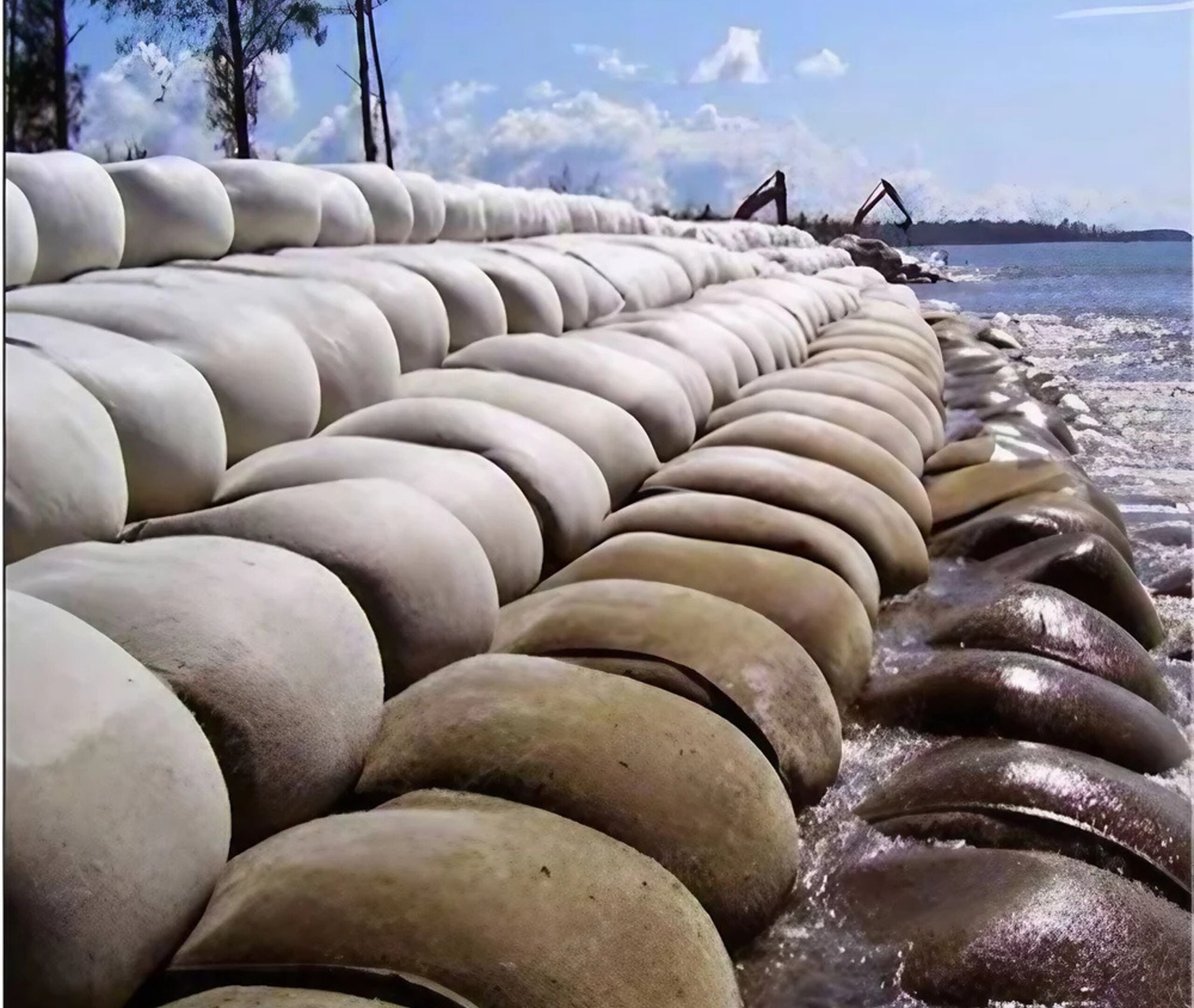
Nonwoven geotextiles from us can be applied for filtration, drainage, separation, soil stabilisation and erosion control projects. The range of use of these geotextiles includes roads, railway embankments, French drains, landfills, tunnel linings, parking and river or coastal embankment protection.
Woven and Non-Woven Geotextile Uses
The type of fabric needed for any geotextile will be determined by what the project requires from it.
Examples of Woven and non-woven geotextile uses include:
| Requirement | Suitable Geotextile |
|---|---|
| High tensile strength | Woven |
| Soil reinforcement | Woven |
| Load distribution | Woven |
| Filtration | Non-woven |
| Drainage | Non-woven |
| Soil separation | Non-woven |
| Erosion control | Non-woven |
But engineers have to ensure that this is done after checking the technical specifications.
Why Non-Woven Geotextiles Matter
In many construction projects, there is a requirement of movement of water along with soil retention. In this situation, nonwoven geotextile materials are preferred.
In Supreme Geotech, nonwoven fabrics enable passage of water without retaining the soil particles. Hence, this product is ideal for filtration and drainage works which require movement of water along with soil retention.
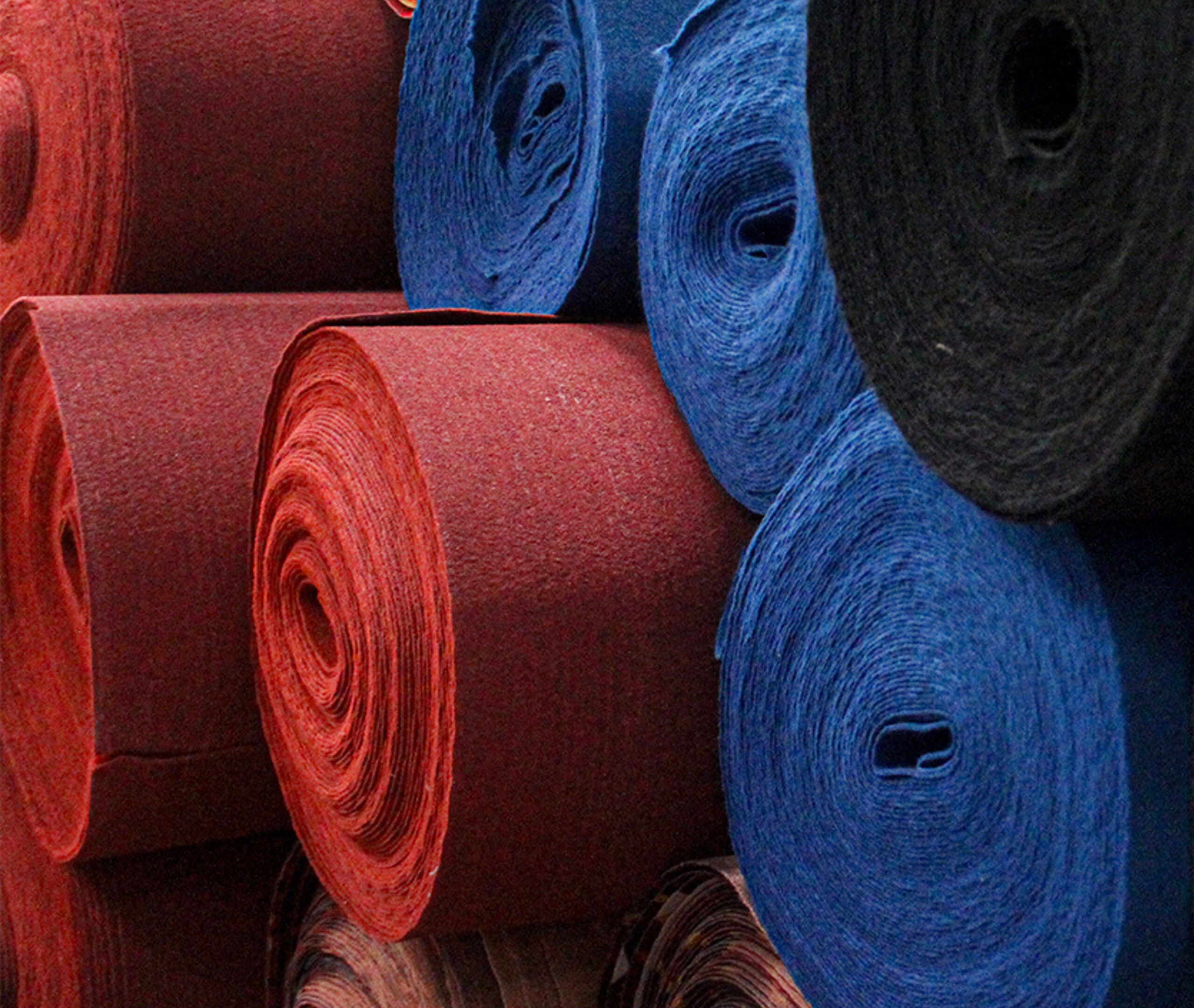
Various types of geotextile fabrics are made available in varying width specifications. At Supreme Geotech, quality testing is done in its own laboratory.
Choosing the Right Geotextile
Selection of either woven or non-woven material must be made based on the intended purpose of the project and not just the material.
Factors to consider:
1.Strength needed
2.Soil conditions
3.Flow of water
4.Filtration capability
5.Drainage needs
6.Loading expected
7.Exposure to the environment
8.Installation conditions
At Supreme Geotech, our main goal is to produce geotextiles that suit the requirements of civil engineering projects.
Why Choose Supreme Geotech?
Supreme Geotech is engaged in the manufacture of geotextiles from polypropylene and polyester fibres at our manufacturing plant, which is fitted with automated needle punching machines along with our own testing laboratories.
Supreme Geotech offers geotextiles for use in construction for various purposes like soil stabilisation, drainage, and erosion control of riverbeds and coastal areas.
Conclusion
It is very vital to have knowledge about woven vs non-woven geotextile when choosing materials for your infrastructure construction project. It should be noted that woven geotextiles are best suited to use in those situations where there is a need for strength and reinforcement. On the other hand, non-woven geotextiles are useful for filtration, drainage, separation, and erosion protection.
Supreme Geotech provides various types of nonwoven geotextile fabrics for the purpose of providing feasible solutions for difficult civil engineering projects.
What is the main difference between woven and non-woven geotextiles?
In woven geotextiles, there is interlocking of yarns and hence higher tensile strength, whereas in non-woven geotextiles, there is bonding of fibres that provides flexibility and permeability.
What are the common kinds of geotextile fabrics?
There are mainly two types, which include woven and non-woven geotextiles, depending on the technical needs of the project.
How can one choose between woven and non-woven geotextiles?
Strength, soil, drainage requirements, loading and the application of the fabric must all be taken into account.