Geotextiles for Flood-Prone Areas: Improving Drainage and Soil Stability
Geotextiles for Flood-Prone Areas: Improving Drainage and Soil Stability
Many zones experience frequent problems due to rains and waterlogging issues, erosion, and unstable soil. When developing infrastructure in such zones, it is important to deal with the water movement process as well as keep the soil stable. Geotextiles for flood prone areas can help meet such requirements through drainage and erosion control.
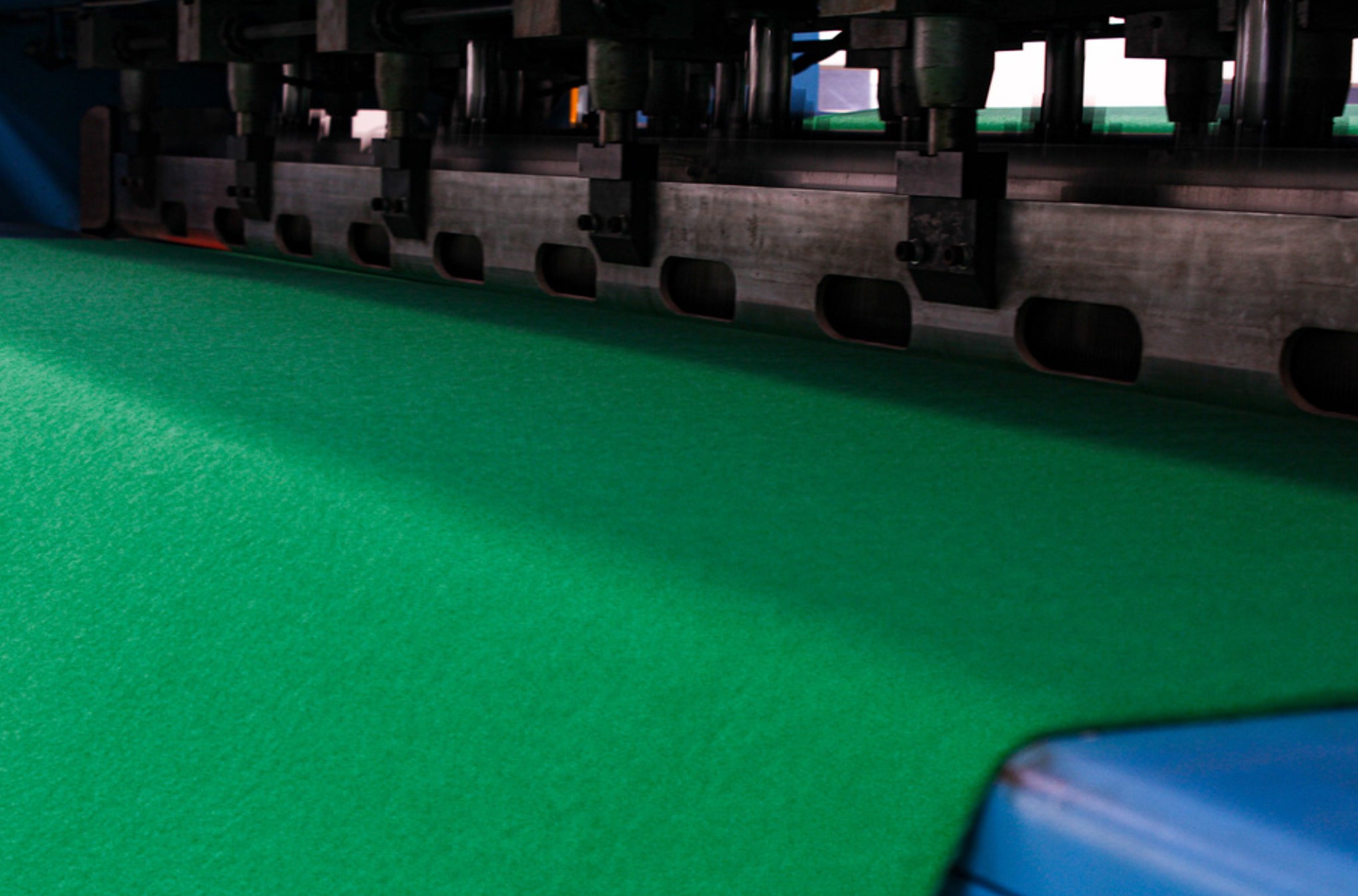
Our SuperGeo non-woven geotextiles are made of polypropylene and polyester staple fibers. Such a geotextile is manufactured through needle-punching. This technology results in a stable and flexible fiber matrix that has high permeability for water management applications.
How Geotextiles Help Manage Water in Flood-Prone Areas
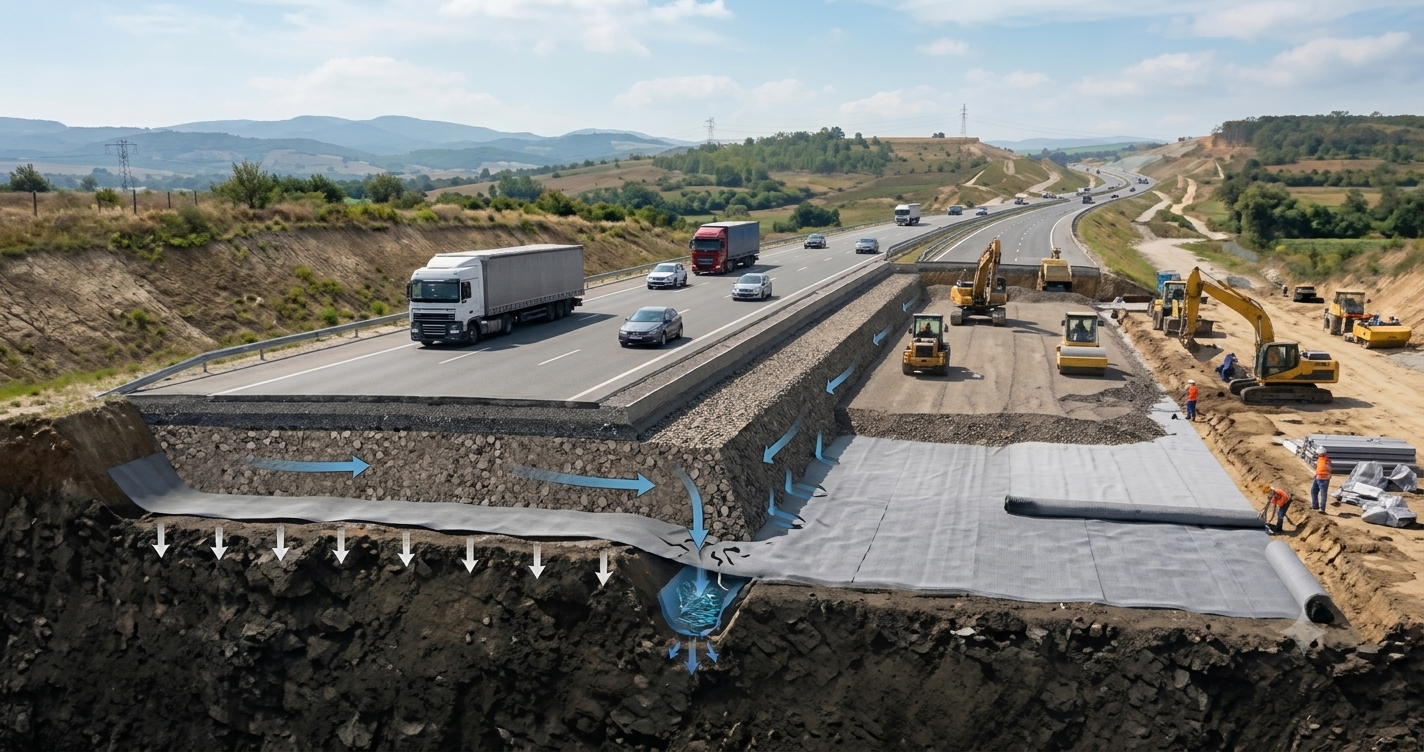
Floods can result in the retention of too much water in soil and drainage systems. Retained water can have effects on soil strength and cause erosion. The use of the appropriate geotextile for drainage ensures that the water flow is regulated while fine soil particles are prevented from blocking the drainage layer.
We produce non-woven geotextile products, which are well suited for French drains, edge drains, and subdrainage systems. The material enables the drainage system to function efficiently without interfering with the soil structure around it.
Supporting Soil Stability Through Filtration and Separation
Water management alone will not be able to ensure the protection of the infrastructure if the soil layers become unstable because the flood water can erode the ground or cause it to become unstable when the ground gets wet over and over again. In flood prone areas, geotextiles can assist in soil stabilization through preventing soil displacement while allowing for the passage of water.Our non-woven geotextiles for soil stability can act as a filter to ensure that fine particles do not travel into the drainage layer and help maintain the performance of drainage systems.

Geotextiles for Flood Control and Erosion Management
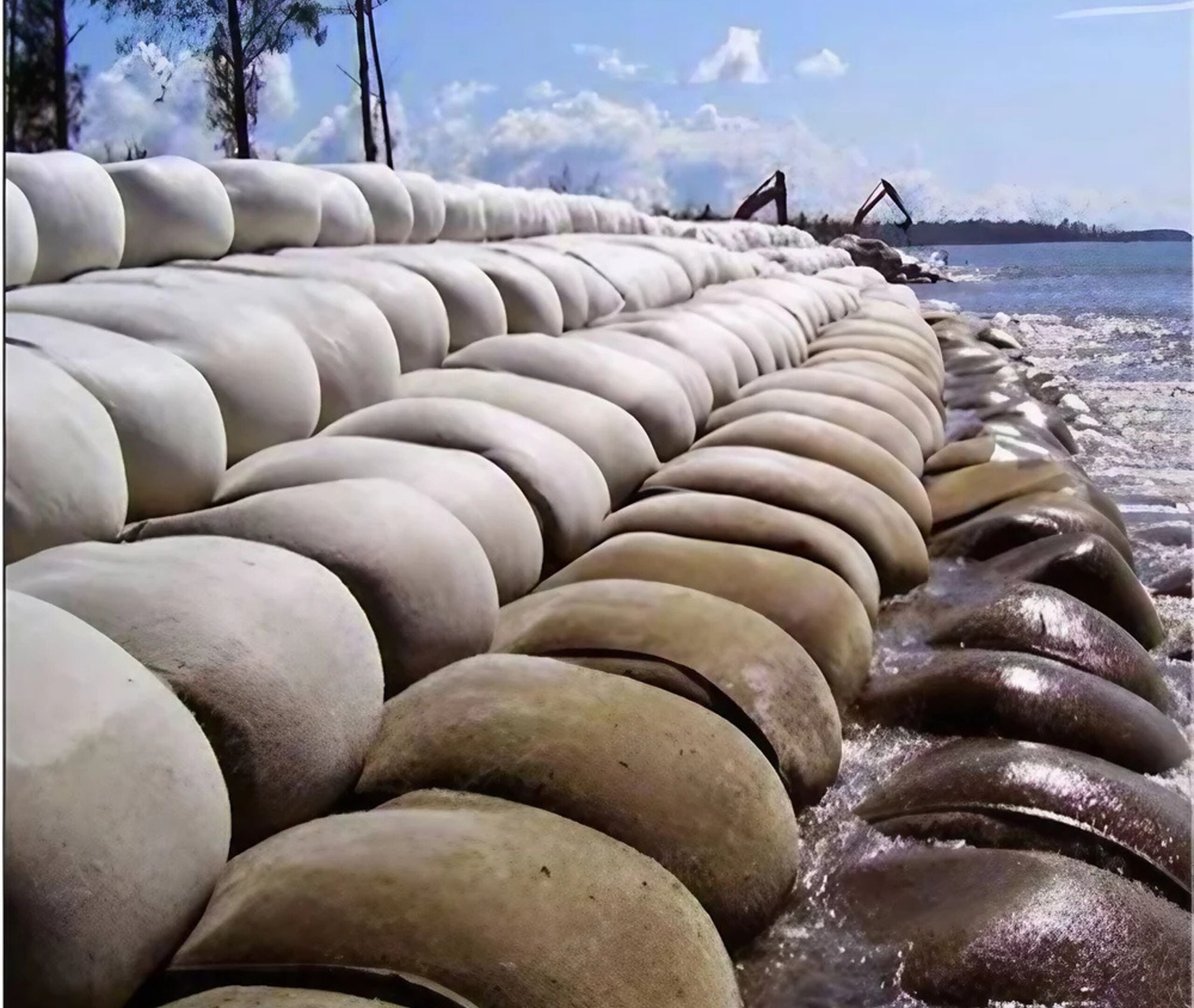
Floods do not only impact roads and drainage infrastructure, but they may also lead to soil erosion from riverbanks, coasts, and embankments as a result of continuous flow of water. The flood control geotextile is one of the engineered solutions that can be used in soil erosion prevention.
Our geotextile for flood control are designed for use in projects involving riverbed and coast protection, soil erosion prevention, and others where soil constantly comes into contact with water. Our geotextiles can be helpful in soil erosion reduction and filtration. Geotube geotextile solutions can be used in such applications as flood control, riverbanks, coasts, and canal embankments.
Geotextile Fabric for Water Management in Infrastructure
Proper management of water entails using the correct fabric for the project. Non-woven geotextile fabric for water management may be used in drainage systems, road constructions, railway constructions, landfill constructions, pipelines, tunnels, and coastal protection projects.
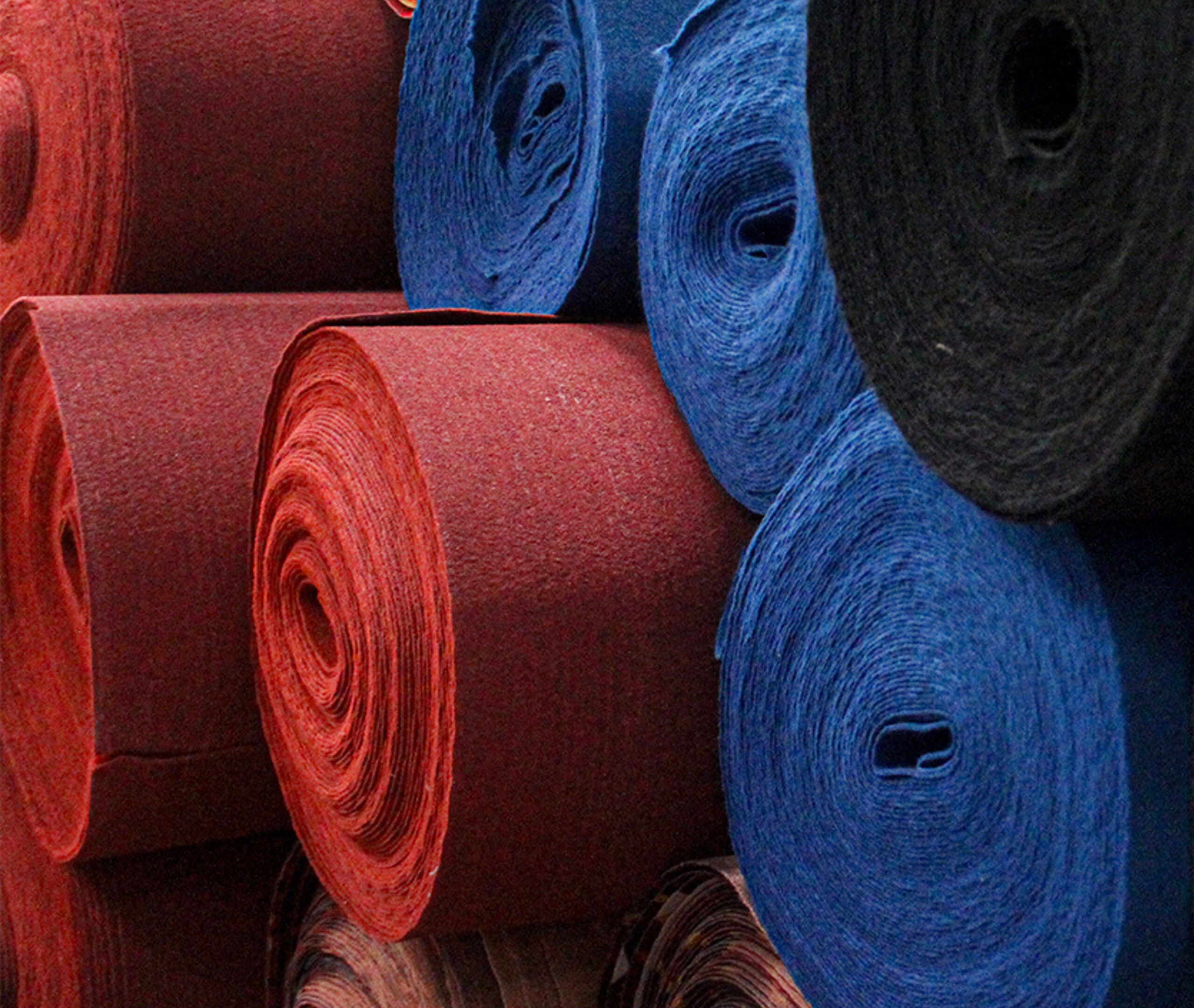
We produce geotextile fabrics in a variety of GSMs, thicknesses, and widths. We also have a manufacturing plant near Kolkata in West Bengal with automatic needle punching machinery and test labs. The choice of product would have to take into consideration several considerations.
Choosing the Right Geotextile for Flood-Prone Projects
Each site that experiences flooding has unique properties regarding its soils and water movement. Before choosing a suitable material, engineers and contractors must evaluate the drainage requirement, soil properties, water movement, and function of the geotextile at the site.
We manufacture non-woven geotextiles that are suitable for use in situations where filtration, drainage, separation, soil stabilization, and erosion control are required. The selection and installation of the right fabric is very important for its successful performance.
Conclusion
Construction sites that are at risk of flooding must be managed effectively regarding both water and soil. The use of geotextiles for flood prone areas will enable proper drainage to take place and help retain soil particles and separation of construction layers. We are committed to providing a wide variety of geosynthetic and non-woven geotextiles
How do geotextiles aid in areas prone to floods?
This allows water to pass through but not soil particles and helps with the process of drainage, filtration, and erosion control.
Are there any ways by which geotextiles help with drainage?
Yes. Geotextiles can help create French drains, edge drains, and underground drainage systems by allowing water to pass through while retaining soil particles and preventing soil migration.
Can geotextiles help in soil stabilization?
Geotextiles help in separating soil and aggregate layers and retaining soil particles and extra water.
Where can geotextiles be used for water management?
Drainage systems, roads, railways, landfills, pipes, tunnels, riverbanks, and coastal structures.
What considerations need to be taken care of while selecting a geotextile?
Soil type, water flow, drainage, loading, environmental factors, and fabric application are some of the parameters that should be considered during the selection of geotextiles.