
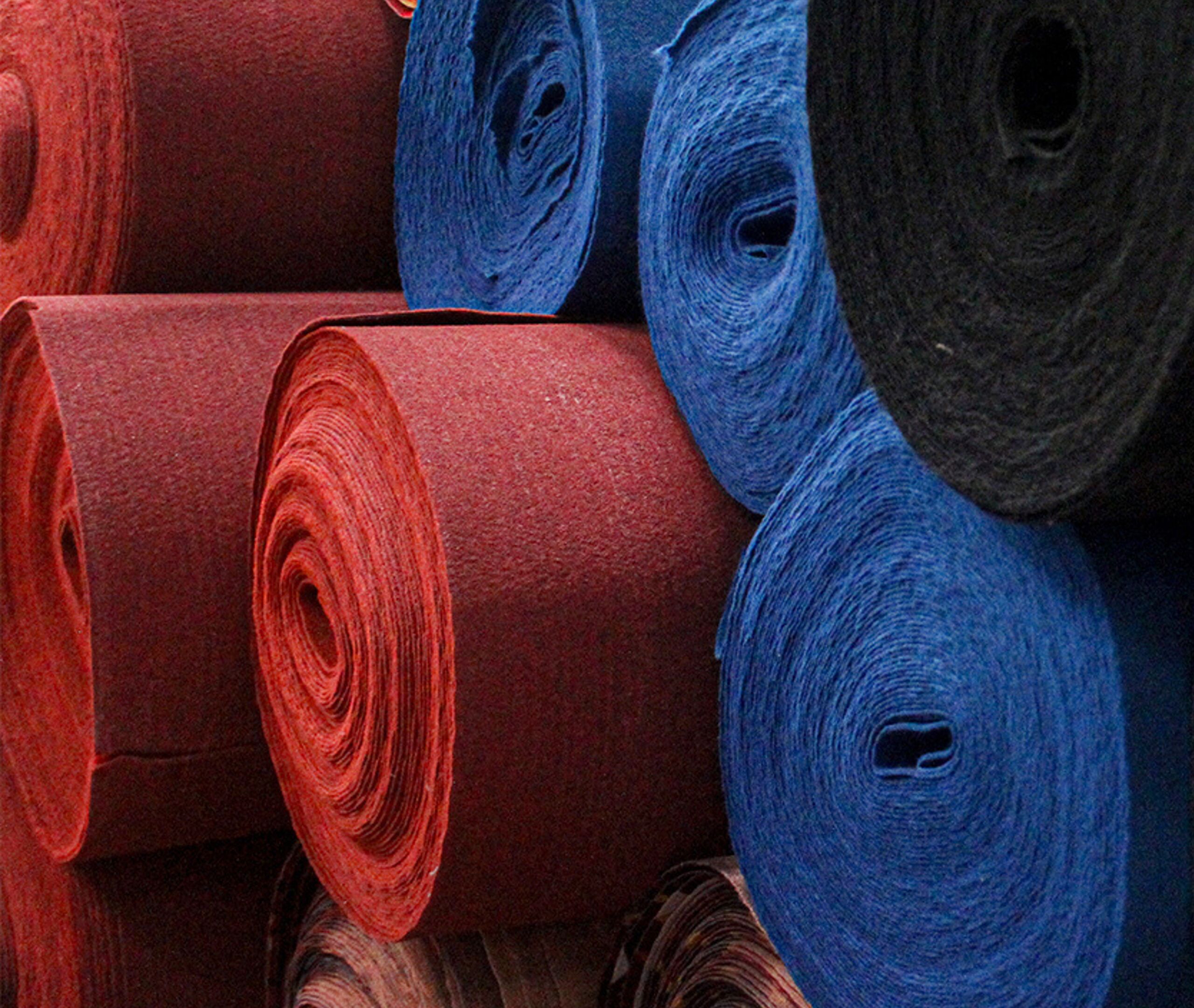
Custom Geosynthetic Solutions for Landfill Projects
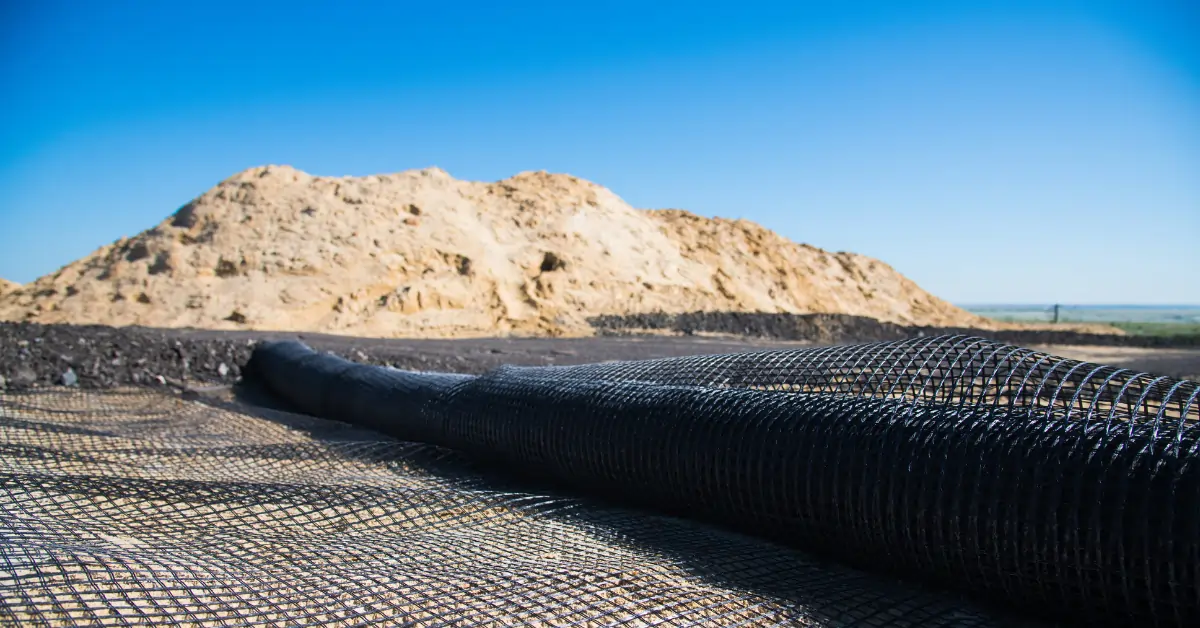
Custom Geosynthetic Solutions for Landfill Projects
Geosynthetic Solutions are changing the way landfill projects are approached, guaranteeing environmental safety, better efficiencies, and overall stability. Modern landfills are engineered ecosystems, so proper planning and efficient materials are needed.
In today’s world, where landfills have to adhere to strict regulations and environmental considerations, such materials should offer reliability and sustainability. Thanks to advances made in the sector, such solutions are possible due to innovations coming from the best geotextile manufacturers in India. Examples of materials that have been employed include the geocell structure and geogrid reinforcement system.
What Contributes to Successful Containment and Environmental Protection with Geosynthetic Solutions
The initial step towards ensuring the safety of landfill sites is that of containment, though not necessarily as easy as just lining the area up. As waste produces leachate over time, any potential flaw in the containment process results in lasting harm to the environment.
Here, Geosynthetic Solutions play an important role. The materials employed here help prevent seepage of waste products through soil and groundwater without affecting their durability despite the presence of mechanical stress, chemical reactions, and environmental changes.
Additionally, in landfill construction projects, reinforcement of soil with geogrid systems and utilisation of geocells have been implemented as well for enhanced stabilisation.
In the end, the system works to contain the waste material as well as the entire landfill ecosystem at once.
How is Effective Drainage and Leachate Control Achieved
Drainage and leachate management can be considered one of the critical stages in designing landfill systems. The problem of inadequate drainage results in pressure accumulation, which, in its turn, may weaken all structural layers, increasing contamination risks for the landfill system as a whole.
The utilisation of geosynthetics can help maintain efficient drainage, as these materials provide drainage channels while preventing soil from entering them and causing clogging problems. Proper drainage and flow management decrease internal stresses within landfill structures.
Moreover, advanced use of geocell systems helps achieve enhanced controlled water flow channels where the soil is heterogeneous.
Why is Structural Stability Important for Landfill Functioning
Landfills are living structures that experience a series of load variations with the continuous depositing of waste into the site. Sub-grade weakness can cause uneven settlement, which further impacts the whole containment system.
Reinforcement layers are applied for base stabilisation purposes to even out the loading process and prevent deformation. Thus, stability is ensured throughout the entire process.
Finally, landfill constructions employ the usage of geogrid reinforcement systems that ensure proper reinforcement of weak layers of the soil.
Base stability is equivalent to the proper functioning of all upper layers in a landfill system.
How do Landfills Adjust to Site Constraints
Every landfill construction site is unique. Soil types, moisture content, and other physical characteristics vary depending on geographical location and site conditions.
A landfill system must be capable of adjusting its function accordingly. The application of geosynthetics will offer adaptability through the provision of flexible materials that can easily fit in different types of soils and environments.
Adaptability is achieved despite the softness or ruggedness of soils. Moreover, such soils, which can be soft and non-uniform in structure, present no challenge to the geocell system since it will help reinforce soil structure and provide additional load-bearing capabilities.
How Are Maintenance Difficulties Reduced in Landfill Projects
Maintenance in landfill projects is costly. Once there is a problem, there will be a need for extensive excavation in order to restore the operations to normalcy.
However, with the use of strong materials during construction, one can avoid this situation. This makes it easier to maintain and manage operations.
Use of robust geogrid reinforcement systems eliminates many potential hazards during operation and maintenance.
The main emphasis in such projects should therefore be on performance planning rather than maintenance.
What Facilitates Successful Sustainable Operations in Landfills
Sustainable landfill operations are important aspects of such projects. In order to facilitate sustainability in the projects, it is imperative to develop a system that performs optimally throughout.
Containment, drainage, and stability are some of the considerations when setting up the landfills. This facilitates optimal performance in the project.
Why are Geosynthetic Solutions Important for Modern Landfills
The application of Geosynthetic Solutions in landfill construction extends beyond just the conventional use of materials; it implies an entirely new era of more intelligent, safe, and sustainable disposal techniques. Integrating containment, drainage, and reinforcement features into one solution solves a variety of issues in one go, thus making them highly essential in today’s landfill construction practices. Given the ever-changing environmental laws and regulations, innovative materials will continue to play a key role in constructing efficient infrastructure.
How Does Supreme GeoTech Provide Reliable Landfill Solutions
Supreme GeoTech, known to be a Technical Textile Manufacturer, is renowned for its expertise in providing geosynthetic materials used in landfill construction. Being experts at what we do, we make sure that every aspect of their process, from designing to implementing the construction, is taken care of in the best possible way. Offering customised solutions to every project, Supreme GeoTech guarantees efficient and sustainable construction of infrastructure facilities.
FAQs
How does the use of geosynthetics avoid landfill contamination?
This helps in creating an obstruction which ensures that the hazardous substances cannot leak into the soil and water.
Why is it necessary to manage waste in landfills now?
Because we generate about 2 billion tonnes of waste in one year, proper management is very important for environmental reasons.
What kind of geosynthetics can be found in landfills?
Different kinds of geosynthetics, like liners, drainage systems, geocell structures, and geogrid reinforcement layers, can be found there.
How do geosynthetics help in protecting groundwater?
It prevents contaminated liquids called ‘leachates’ from entering the ground.
Are geosynthetics effective for many years to come?
Yes, they are effective in the sense that they work efficiently for hundreds of years.
Is the use of geosynthetics environmentally friendly?
Yes, their use is definitely environmentally friendly and sustainable.
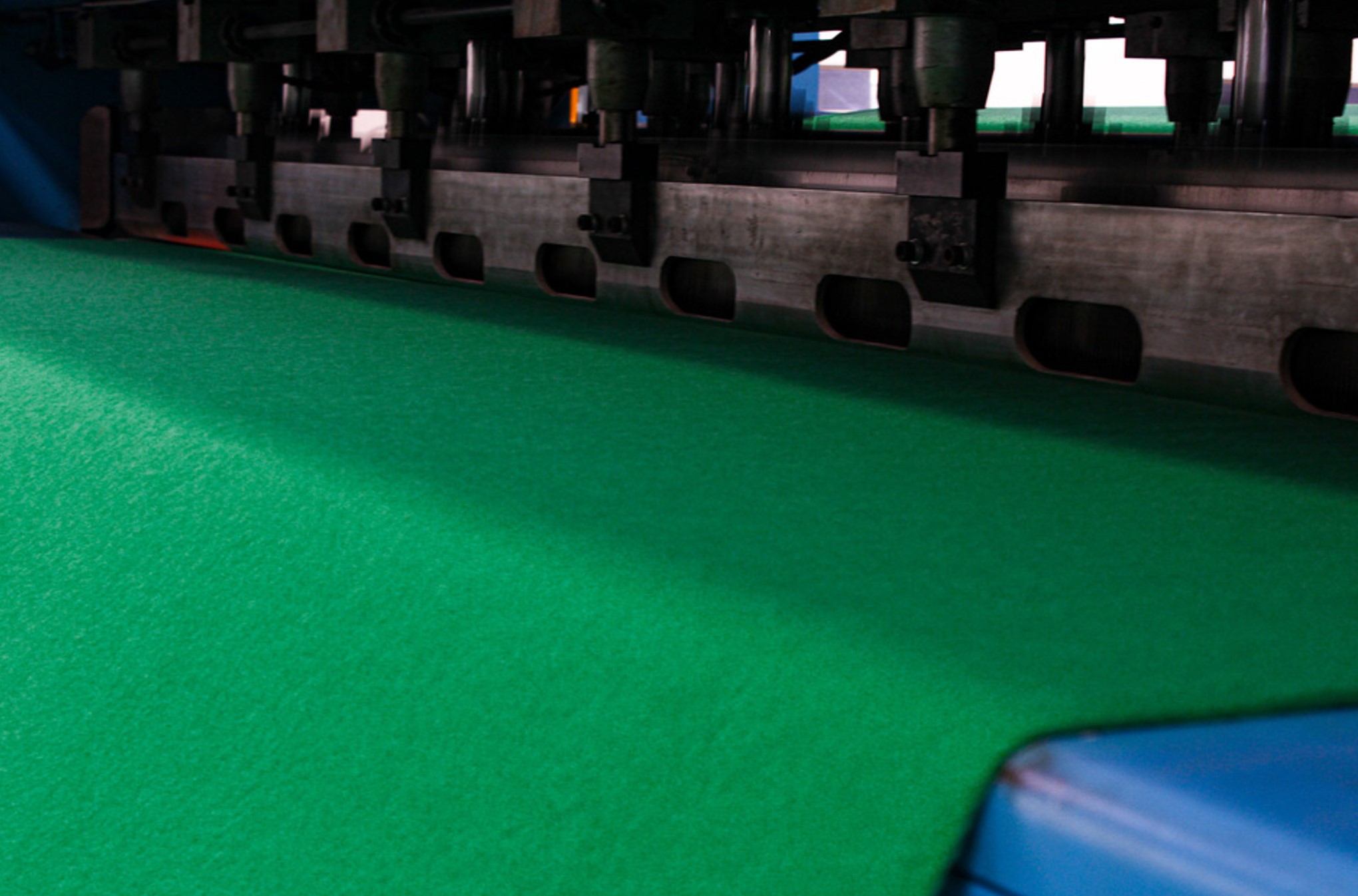
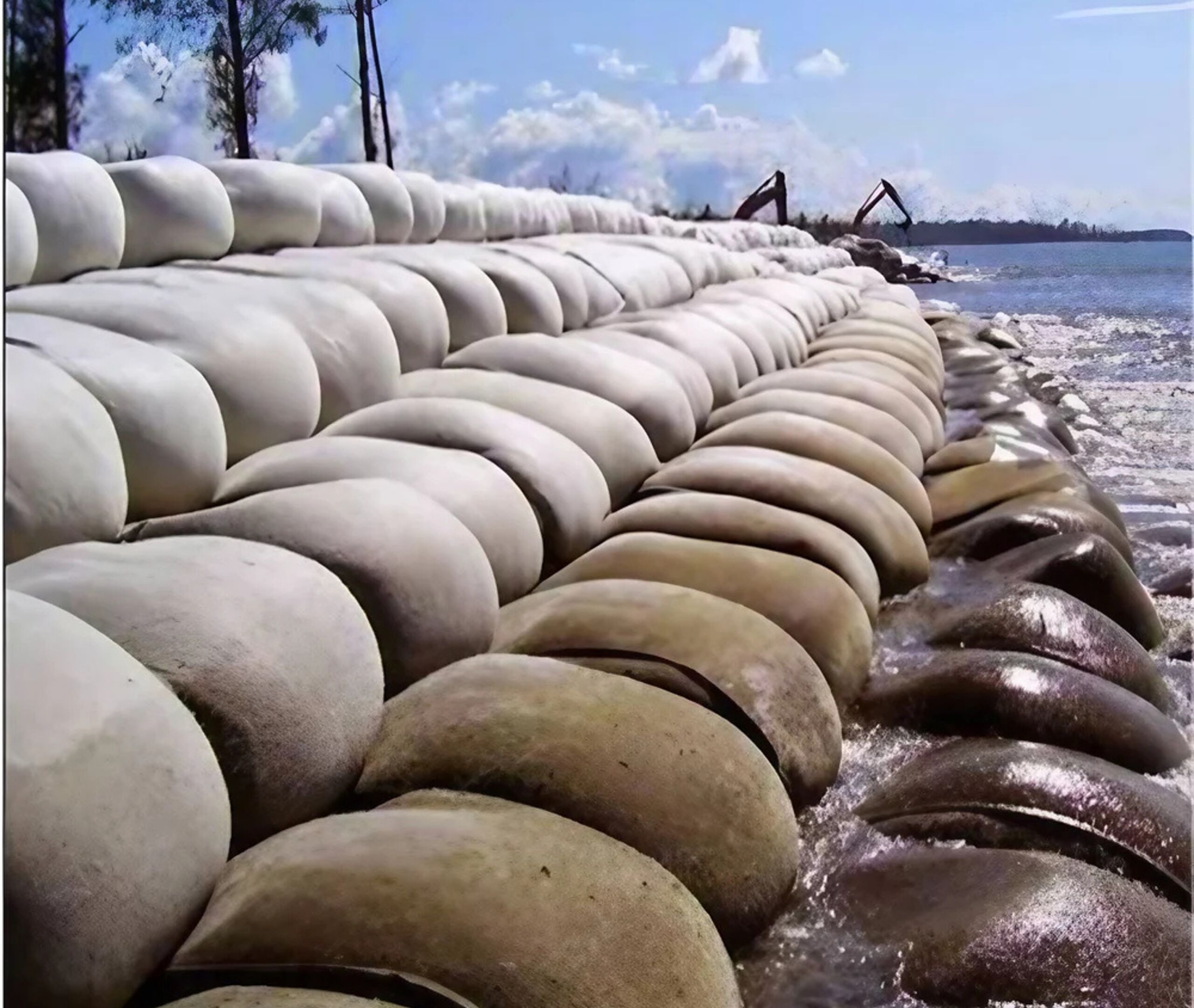
What are The Benefits of Geosynthetics in Road Construction?

What are The Benefits of Geosynthetics in Road Construction?
Geosynthetics in Road Construction have revolutionized road construction, enhancing durability, efficiency, and overall performance. Conventional techniques show their limitations when construction challenges emerge because they cannot sustain operations under increasing loads, together with adverse soil conditions. Here, geosynthetic materials come into play through their ability to reinforce, separate, and protect various road structure layers.
Whether dealing with highway projects or rural roads, the incorporation of innovative materials guarantees effective load transmission and higher resilience towards environmental impacts. All this has been made possible by advances brought forward by all the best geotextile manufacturers in India.
How is Structural Strength Enhanced by Distributing the Load
The use of Geosynthetics in Road Construction is common in modern infrastructural construction, where these geosynthetics are applied for improved strength through enhanced loading. The use of these materials helps in reinforcing layers of soil, increasing their bearing capacity such that they can be ideally utilized for heavy traffic.
Furthermore, one other strength that is imparted by geosynthetic materials is that of even load distribution. This ensures uniform performance and minimises the risk of structural failure.
One other notable feature of roads constructed from solutions obtained from a geotextile manufacturer in India is that they exhibit high strength against deformation.
How is Proper Drainage Ensured and Moisture Controlled
Utilisation of geosynthetics is vital in ensuring good drainage and moisture management in roads. The geosynthetics will ensure that there is passage of water while blocking the movement of the soil, thus guaranteeing efficient drainage, flow of water, and durability of the roads.
Moisture management is important since it eliminates water buildup beneath the surface, which would lead to foundation weakening and, consequently, cracking or holes appearing on the surface. Through the use of Technical Textile Manufacturer’s products, one can come up with better designs for their system.
In addition, geosynthetics can be cited as another factor since they serve as a barrier in preventing soil erosion brought about by water flow. Through their role in retaining soil particles from getting displaced, the stability of road construction is ensured despite being exposed to heavy rains and the movement of drainage.
How can Durability be Enhanced and the Surface’s Longevity Increased
Another important advantage is the increased strength of roads. The use of geosynthetic materials strengthens the underlying layers and makes roads resilient to environmental factors like temperature changes and rain. It allows the roads to maintain their quality even in difficult weather conditions.
Geosynthetic materials minimise cracking on the surface by increasing the strength of the underlying layers and decreasing stress. It leads to more stable roads and reduces the frequency of maintenance activities.
On the other hand, roads that have been constructed with enhanced materials possess longevity since they are capable of enduring the traffic load and hence maintaining stability throughout a considerable period.
How Does Cost-Effectiveness Promote Sustainability
The application of geosynthetic materials plays an important role in making cost-efficient and sustainable construction of roads possible. The ability of geosynthetics to increase resistance to wear and tear means less maintenance will be required, thus keeping project costs low.
In addition, geosynthetics facilitate effective material usage in construction projects, providing optimum utilisation of materials in a manner that is sustainable.
Furthermore, because of its easy applicability in Geosynthetics in Road Construction, projects can be completed efficiently, thereby reducing labour costs.
Final Thoughts
The integration of Geosynthetics in Road Construction does not merely constitute an improvement in technology but a strategic move towards intelligent infrastructure development. The utilisation of geosynthetic products offers the perfect blend of efficacy, durability, and economic value, rendering them essential components in modern-day road construction. In light of increasing infrastructure demands, adopting such innovative practices guarantees the robustness and sustainability of roads constructed.
The ever-changing nature of the construction industry necessitates collaboration with an experienced Technical Textile Manufacturer. Supreme GeoTech presents expertise and innovations in line with the contemporary needs of infrastructure construction, enabling projects to incorporate state-of-the-art materials. Supreme GeoTech is committed to providing solutions with optimal performance, durability, and longevity.
FAQs
How do geosynthetic materials aid road construction?
Geosynthetics provide better soil stabilisation, improved drainage, and increased longevity of roads.
Can geosynthetics be applied to all kinds of roads?
Yes, they can be employed on highways, rural roads, or even temporary access roads.
Do geosynthetic materials save on construction costs?
They help save on material consumption and reduce the cost of maintenance as well.
How do geosynthetics increase road longevity?
Geosynthetics stabilise soil and protect roads from moisture, thus minimising road failures due to these causes.
Are geosynthetics effective in high-traffic road constructions?
Yes, geosynthetics perform very effectively in cases where there is heavy traffic, as they improve load distribution.
Can geosynthetic materials cut construction time?
Yes, easy installation and other efficiencies allow for faster construction of roads.
Are Geosynthetics Ideal for Tunnel Linings?

Are Geosynthetics Ideal for Tunnel Linings?
Using advanced material for tunnel constructions is what has led to effectiveness and economy in the construction of Tunnel Linings. This is because underground tunnels are always under constant pressure and water, and there is a need to ensure that the right materials are used in order to be durable. Under such conditions, geosynthetics are the right materials to use. It is always important to seek products from reputable geotextile manufacturers in India or other reliable Technical Textile Manufacturers to be assured of quality products.
Structural Strength and Reinforcement
1. Better Distribution of Load
Geosynthetics play an important role when it comes to improving the load-bearing capacity of any Tunnel Linings. They help strengthen the soil and ensure that tunnels can be constructed without any deformity or damage caused by structural pressures. Geosynthetics manufactured by a well-known geotextile manufacturer in India have been designed for such purposes and hence boast better tensile strengths.
2. Prevention of Cracking and Instability
Cracks can be detrimental to the performance and stability of Tunnel Linings. Geosynthetics prove to be beneficial since they make sure that there is even stress distribution across any surface and minimize the chances of cracks occurring. This guarantees long-term stability of the Tunnel Linings.
3. Ability to Work Under All Conditions
Challenges are common while constructing tunnels due to different geological factors. It is for this reason that materials from a reputable Technical Textile Manufacturer work wonders.
Learnings about Structural Strength
Material reinforcement guarantees durability and increased safety, hence ensuring greater reliability and strength in Tunnel Linings.
Water Resistance and Efficient Drainage
1. Latest in Water Sealing Solutions
Among the toughest situations encountered while constructing tunnels is that of water leakage. The use of geosynthetics assists in forming perfect barriers against water seepage. High-grade geosynthetics produced by the best geotextile manufacturers in India offer protection against moisture for a longer time.
2. Efficient Drainage Mechanism
A proper drainage system reduces the pressure created by water. Geosynthetics included in the design of Tunnel Linings facilitate water drainage without causing soil particles to block the drainage path.
3. Chemical and Environmental Defiance
The construction environment of tunnels may pose risks like chemical exposure and adverse weather conditions. The use of geosynthetics from a reputable Technical Textile Manufacturer helps overcome such issues.
Waterproofing Understanding
Efficient drainage and moisture management systems are necessary for ensuring the efficiency of Tunnel Linings.
Easy Handling and Installation
1. Handling and Installation Procedure
Geosynthetics are lighter than other conventional materials; that’s why it is easier to install. As such, installing Tunnel Linings will be easier and take less time than before.
2. Cost Effectiveness
Incorporating geosynthetics in your construction project is cost-effective since it ensures you use fewer materials. Products offered by a reputable geotextile manufacturer in India guarantee efficiency in your tunnel construction project.
3. Low Maintenance and Durable
Tunnel Linings that incorporate geosynthetics offer efficient services without frequent maintenance needs. Materials provided by an expert Technical Textile Manufacturer will help Tunnel Linings serve efficiently for a long period.
Performance Understanding
Handling efficiency, easy installation, and durability make geosynthetics suitable materials for contemporary Tunnel Linings.
Protection and Sustainability of the Environment
1. Soil Displacement Control
Geosynthetic materials for Tunnel Linings may help control soil displacement during construction and after the completion of construction. This will help create a more stable environment and improve the safety of tunnel construction projects. Geosynthetics by a geotextile manufacturer in India ensure that the environmental stability is maintained.
2. Minimizing Resource Utilization
Geosynthetics use a smaller amount of natural resources than conventional constructions. By using geosynthetics for Tunnel Linings, there will be a reduced need for materials such as concrete and aggregates. With the help of the Technical Textile Manufacturer, you can make sustainable Tunnel Linings.
Improvement for Longer Environmental Sustainability
Improving the Environmental Stability for the Long Term
Durability will allow geosynthetics to minimize maintenance efforts. Tunnel Linings using high-quality geosynthetics will be less prone to damage, and hence there will be less requirement for reconstruction of Tunnel Linings in the future.
Sustainability Insights
Considering environmental advantages, geosynthetics make Tunnel Linings sustainable and efficient.
Final Words
The use of Geosynthetics in Tunnel Linings has changed underground engineering in its efficiency and effectiveness. The benefits of geosynthetics include reinforcement, waterproofing, and ease of installation, among others. It is important to work with an established geotextile manufacturer in India and a reputable Technical Textile Manufacturer to get the best quality products that will serve your needs perfectly.
Supreme Geotech is well known for offering superior geosynthetics for Tunnel Linings with high performance. The company is among the best geotextile manufacturers in India and a renowned Technical Textile Manufacturer.
FAQ
Why do you use geosynthetics in tunnel linings?
Geosynthetics are strong, drainable, and durable materials.
Is there going to be water leakage?
There is not going to be any water leakage.
Are geosynthetics durable?
Yes, geosynthetics are durable.
Is the installation difficult?
Installation is very simple.
Who supplies good geosynthetics?
Supreme Geotech.
How Geosynthetics Help Meet Environmental Compliance in Landfills?

How Geosynthetics Help Meet Environmental Compliance in Landfills?
Environmental safety within Landfills forms one of the key areas that should be considered when developing modern waste management systems. Poorly engineered landfills are associated with soil and groundwater pollution, among other environmental concerns. To combat the issue, there has been an increasing need for using geosynthetics in the development of such landfills. Geosynthetics guarantee containment, filtration, and protection, thereby fulfilling all environmental safety requirements. There are many benefits to choosing a geotextile manufacturer in India or even a Technical Textile Manufacturer.
Containment and Leaks Prevention Systems
1. Impermeable Barrier Layers
Barrier layer formation is one of the most important methods for the employment of geosynthetics in Landfills. Geosynthetics take part in the process of preventing the contamination of natural resources.
2. Prevention of Contamination of the Groundwater
Contaminants cannot leak into the water reservoir because of geosynthetics provided by a reliable geotextile manufacturer in India.
3. Providing Durability of Structures
Using high-quality materials supplied by the Technical Textile Manufacturer allows for the durability of containment structures and makes the landfill safer and more environmentally friendly in the long run.
Containment Facts
Well-developed containment systems are vital for ensuring the proper functioning of the Landfills. Structure durability is one of the key qualities of geosynthetics.
Efficiency of Filtration and Drainage Systems
1. Effective Leachate Drainage
Geosynthetics will facilitate the regulation of the drainage system operation as well as block waste discharge from the Landfills. Thus, it will be possible to maintain balance within the landfill, preventing contamination and proper waste disposal through filtration and drainage.
2. Enhanced Drainage Performance
Drainage processes will be improved by using a higher-quality filtration layer, manufactured by geotextile manufacturers in India, because it will increase the water flow rate and decrease the pressure inside the Landfills. In this way, drainage systems will work more effectively.
3. Lack of Clogging
Quality geosynthetics will guarantee the smooth operation of drainage systems without clogging during the time of their exploitation. It is essential to achieve positive results by meeting all the requirements imposed on the Landfills.
Insight into Filtration Processes
Effective filtration and drainage systems are critical components for Landfills. A Technical Textile Manufacturer must ensure proper filtration and drainage systems.
Environmental Sustainability and Growth
1. Soil and Air Remediation
Correct implementation of geosynthetics prevents waste leakage, minimizing soil and air pollution. This considerably decreases environmental hazards and creates safe and clean Landfills.
2. Reduced Environmental Impact
Products made by a reliable Technical Textile Manufacturer decrease any environmental disruption associated with the construction and operations of the Landfills. Such innovations encourage sustainability and conservation of natural resources as well as adherence to all regulatory requirements.
3. Sustainable Ecological Balance
Robust products supplied by a geotextile manufacturer in India ensure long-term environmental sustainability through the prevention of pollution and lower maintenance costs. This fosters ecological sustainability and ensures environmental protection in the operations of the Landfills.
Point of Sustainability
Sustainability is key to developing effective Landfills without compromising their environmental benefits and ecological nature. Geosynthetics must be true to the environment and non-polluting.
Durability and Economic
1. High Resistance and Durability
The geosynthetics used are engineered for resisting tough environmental conditions at Landfills, such as chemical resistance and load-bearing capacity. Their durability makes them dependable products with extended use life and no need for replacement.
2. Minimal Repair Expenses
By using top-quality products from a geotextile manufacturer in India, you can keep repair expenses to a minimum and improve the cost-effectiveness of Landfills. Proper maintenance will ensure their proper functioning without disruption.
3. Effective Installation
Products offered by a reputable Technical Textile Manufacturer are easy to install, which saves you time and money, as well as guarantees efficient use.
Performance Information
Durability and efficiency ensure that geosynthetics are the right choice for Landfills.
The usage of geosynthetics in Landfills ensures adherence to environmental guidelines in terms of better confinement, refining, and renewability. Such materials help us to avoid contamination, optimize waste disposal through drainage, and ensure proper structural stability. Working in collaboration with a leading geotextile manufacturer in India and Technical Textile Manufacturer assures the availability of quality geosynthetics that are tailored to the demands of your project.
The products of Supreme Geotech are manufactured with the latest technology and engineering innovations. Our company is known as one of the most reliable geotextile manufacturers in India and Technical Textile Manufacturer. Our geosynthetics meet all the necessary standards and have all the qualities to perform for a very long-term purpose.
FAQ
Why do geosynthetics have applications in landfills?
Geosynthetics play an important role in ensuring environmental protection.
Can geosynthetics prevent groundwater pollution?
Yes, geosynthetics act as hurdles for contamination.
Are geosynthetics a resistant material?
Yes, geosynthetics are known for their durability.
Can geosynthetics reduce maintenance pricing?
Yes, geosynthetics are cost-efficient.
Where can you get quality geosynthetics?
From reputable geosynthetic suppliers such as Supreme Geotech.
Role of Geosynthetics in Canal Waterproofing

Role of Geosynthetics in Canal Waterproofing
Geosynthetics Waterproofing serves as an essential component that protects modern canal construction from water loss while maintaining its long-term structural integrity. The canal systems serve three vital functions because they provide water for irrigation purposes, supply water for various needs, and support infrastructure development, which creates a need for effective waterproofing methods. The traditional protection methods provide insufficient defense against water intrusion, which results in long-term damage to structures.
Geosynthetics function as a dependable solution that organizations use to enhance canal systems because of improvements in construction technology. The geotextile fabric sheets become essential materials that help canal structures achieve stronger performance and better water retention abilities.
Insight into Geosynthetics Waterproofing for Canals
1. Water Seepage Prevention
The first and foremost purpose of Geosynthetics Waterproofing is to prevent water seepage. Canal liners made using geosynthetic products offer resistance against water percolation from canals to adjacent soils, thereby enhancing the efficiency of water conveyance without any wastage.
2. Improved Structural Stability
Geosynthetics provide an added advantage in terms of improving the stability of canal structures. The presence of materials like geotextile fabric sheets ensures that the load distribution on the canal bed and slopes remains uniform.
3. Compatibility with Various Soils
Soils of different compositions require special treatment. The range of geocell products designed by various geocell manufacturers in India enables the canal system to adjust according to the nature of the soil.
Structural Implementation
Efficient waterproofing and strengthening are very important for canal systems.
Important Advantages of Geosynthetics in Canal Waterproofing
1. Longer Life and Higher Durability
Geosynthetics have been engineered to sustain rough weather conditions and water pressure. Utilizing Geosynthetics Waterproofing increases the longevity of the canal structure as well as minimizes its maintenance.
2. Economical Construction Technique
As opposed to traditional building methods, Geosynthetics are relatively cheaper. They consume lesser amounts of raw materials, thus cutting down on costs. Solutions provided by geocell manufacturers in India contribute significantly to this goal.
3. Optimal Filtration and Drainage
Effective drainage systems ensure the proper functioning of canals. Geosynthetic fabric sheets serve as filtration media, letting water seep through without letting soil particles enter the system and cause clogs.
Installation Approaches and Future Scope
1. Multi-Layer Approach in Installation
There is more than one layer used in installing geosynthetics to provide efficient waterproofing. The layers range from membranes, grids, and filtration layers to create an efficient channel liner.
2. Combination with Contemporary Engineering
Contemporary engineering practices have been incorporated into canal projects, which makes geosynthetic integration easier and efficient. Canal plans with modern engineering are the way to go forward for the future.
3. High Demand and Technological Innovation
Geosynthetics Waterproofing has high demand due to increased projects, and technological innovations will further improve their efficiency in canal construction. Recent technologies should be incorporated into the structure and design of the canal.
Application Compositional
Innovative technologies are making future perspectives bright for canal waterproofing solutions.
Environmental and Operational Efficiency
1. Prevention of Water Leakage
Water leakage through canals is common owing to its permeation into the soil around it. Geosynthetics Waterproofing acts as an efficient sealant, preventing any seepage and thus resulting in effective water flow in channels. Apart from improving irrigation efficiency, this technology helps conserve water, which is an important natural resource.
2. Minimized Maintenance Needs
With enhanced resistance against corrosion, Geosynthetic material prevents wear and tear caused to canals due to soil and erosion. In addition, Geotextile fabric sheeting provides support against clogging by offering stable filtration. Consequently, maintenance needs of canals are lowered due to improved structural strength.
3. Assistance towards Building Sustainable Infrastructures
The innovations by Geocell manufacturers in India offer environmental safety benefits in their contribution towards sustainable infrastructure building through canal improvements. These companies supply the required materials for the building infrastructure.
Efficiency Analysis
This increases the efficiency of irrigation and conserves water in infrastructural systems.
Conclusion
The implementation of Geosynthetics Waterproofing technology has changed the process of canal construction by delivering dependable methods that prevent water leakage, maintain structural integrity, and support building operations for extended periods. Modern infrastructure projects require geosynthetics as essential materials because they provide benefits such as enhanced durability, cost savings, and flexibility. Geosynthetics will become increasingly important because the need for efficient water management systems continues to rise.
Supreme Geotech delivers high-quality Geosynthetics Waterproofing solutions that provide outstanding performance and enduring strength for canal construction projects. The company provides dependable and effective geosynthetic solutions that construction projects need because of its advanced materials, technical expertise, and continuous commitment to innovation.
FAQs
What does geosynthetic waterproofing entail?
This is the use of synthetic materials to prevent water from leaking.
How can canals be affected by this technology?
Canal water will become less leaky and create a sturdier structure.
What are the different types of geosynthetic waterproofing materials?
The list includes geotextiles, membranes, and reinforcement systems.
Is this form of waterproofing affordable?
Yes, it will reduce both maintenance and construction costs.
Does geosynthetic waterproofing improve the longevity of canals?
Yes, this technique will positively impact the long-term performance of canals.
How to Choose the Right Geosynthetic Solution for Riverbeds?

How to Choose the Right Geosynthetic Solution for Riverbeds?
The selection process requires identification of the appropriate Geosynthetic Solution for Riverbeds, which will deliver permanent stabilization together with efficient erosion control and environmental protection for all hydraulic engineering projects. The permanent exposure of riverbeds to damage occurs because water flow and sediment transport continuously interact with changing load conditions. Geosynthetics enable engineers to enhance soil stability and effectively control erosion while extending the operational lifetime of their infrastructure projects. The collaboration with a dependable geotextile manufacturer in India or a certified Technical Textile Manufacturer provides access to premium materials that meet the demands of sophisticated riverbed projects. The right solution selection process needs to understand fundamental aspects that support both operational capabilities and financial savings.
Site Understanding and Needs
1. Soil Conditions and Load Capability
The first thing that needs to be considered while selecting a Geosynthetic Solution for Riverbeds is the assessment of soil type, capability, and loading conditions. The different characteristics of soils will need the selection of geosynthetics accordingly so that the material can withstand the weight and prevent the displacement of soil particles.
2. Hydraulic Considerations
Riverbeds have various flows and velocity considerations. The right solution evaluation requires assessment of hydraulic forces and erosion potential because high-quality geosynthetics from a Technical Textile Manufacturer can handle the identified challenges.
3. Climate Conditions
A geotextile manufacturer in India needs to assess UV resistance together with humidity and temperature conditions to find appropriate solutions for their products that meet their requirements.
Site Assessment Insight
An insight into the site conditions helps you choose a Geosynthetic Solution for Riverbeds, which will provide better performance in the long run.
Selection of the Right Geosynthetic Material
1. Variables of Geosynthetics
There are different kinds of geosynthetics, including geotextiles, geomembranes, and geogrids. Each kind of material has a specific purpose, including screening, sorting, and strengthening. The choice of geosynthetics will be crucial when looking for an efficient solution in riverbeds.
2. Tensile Strength and Toughness
It is essential that the materials should be able to possess tensile strength and toughness properties. The products manufactured by a leading geotextile manufacturer in India will meet such requirements.
3. Filtering and Drainage Abilities
Filtering is one of the most important factors to consider for preventing erosion of soil and ensuring its stability. A Technical Textile Manufacturer must ensure proper drainage by letting water pass but not soil.
Insight into Material Selection
The selection of proper material can improve efficiency and increase the life span of the Geosynthetic Solution for Riverbeds.
Insight into Installation and Performance over Time
1. Process of Installation
The most effective and high-quality geosynthetics will be ineffective without proper installation. Using appropriate installation techniques is important to ensure the efficient performance of the Geosynthetic Solution for Riverbeds.
2. Quality Checks and Testing
Certified Technical Textile Manufacturers ensure that the materials used meet all the industry standards. The testing of quality is mandatory to make sure that the goods are reliable.
3. Maintenance and Surveillance
Monitoring the product is a great way of identifying the problem. Good maintenance of a Geosynthetic Solution for Riverbeds enables its smooth and long-term performance.
Insight into Performance
Firstly, installation and, afterwards, maintenance are key parts of a Geosynthetic Solution for Riverbeds.
Cost Efficiency and Sustainable Projects
1. Cost-Efficient Project Construction
Choosing the most appropriate Geosynthetic Solution for Riverbeds will lower the total costs of construction and maintenance. Geosynthetics of high quality will limit the number of required repairs, thus providing cost-efficient material for a project of long duration.
2. Limitation of the Environmental Impact
Utilization of environment-friendly materials supplied by a reputable Technical Textile Manufacturer will promote sustainable construction practices. Geosynthetic Solution for Riverbeds will enable the preservation of natural ecosystems through sediment control.
3. Improvement of the Duration of Riverbed Structures
Use of high-quality and durable materials offered by a respected geotextile manufacturer in India will allow prolonging the period of stability of riverbed structures. Thus, it will become unnecessary to construct the new ones.
Insight into Sustainability
Concern with cost efficiency and sustainability of the project guarantees the longevity of the performance of Geosynthetic Solution for Riverbeds.
Conclusion
The process of selecting the appropriate Geosynthetic Solution for Riverbeds demands complete comprehension of actual site conditions, material characteristics, and installation methodologies. The entire process, which starts with soil testing and ends with selecting geosynthetics for durability, establishes essential requirements that ensure both stability and operational efficiency. The collaboration with a skilled geotextile manufacturer from India or a trusted Technical Textile Manufacturer provides project-specific solutions that meet the highest quality standards.
Supreme Geotech develops advanced Geosynthetic Solution for Riverbeds, which protect their durable design and efficient performance. Our company functions as a top geosynthetics supplier that delivers products that achieve high industry performance standards. We are a professional geotextile manufacturer in India and Technical Textile Manufacturer that offers dependable solutions for complex civil engineering projects.
FAQ
What is the usefulness of geosynthetics in riverbeds?
To control erosion and stabilize the soil.
How can I select the appropriate material?
According to soil, water velocity, and requirements.
Do geosynthetics have durability?
Yes, since they are made for long use.
Is the installation process essential?
Yes, correct installation ensures effectiveness.
Which manufacturer provides high-quality geosynthetics?
Manufacturers such as Supreme Geotech.
How Geotextiles Enhance Civil Engineering Projects

How Geotextiles Enhance Civil Engineering Projects
At Supreme Geotech Pvt. Ltd., we are engaged in the manufacture of engineered products for soil stability, drainage, and infrastructure performance. Our geotextiles are used for the construction of roads, railways, landfills, drainage, and coastal areas.
We are an established geotextile manufacturer in India, and we are also one of the most trusted geotextile suppliers in India. We are engaged in the manufacture of geotextiles, which are used in civil engineering, where the performance of the soil and the movement of water are critical to the success of the project.
Understanding Geotextiles
Geotextiles are used in the ground to enhance the performance of the ground by providing separation, filtration, drainage, and reinforcement.
Nonwoven geotextiles are manufactured using the needle punching technique at Supreme Geotech. They are strong and flexible with good permeability. They are also tested before delivery and come in different specifications.
Key Ways Geotextiles Enhance Civil Engineering Projects
1. Soil Stabilisation and Load Support
The most important function of geotextiles is to increase the strength of the soil. This can be done by placing them between two layers of soil.
This can be applied in the following:
1. Roads and highways
2. Railway tracks
3. Embankments
This helps in increasing the load-bearing capacity of the soil.
2. Effective Drainage and Filtration
Water accumulation can cause weakening of the soil and reduction of the structure’s life. Geotextiles are fabrics that permit water to flow through them and prevent the movement of soil.
The above helps in:
1. Maintaining proper drainage
2. Preventing clogging in the systems
3. Relieving water pressure in the soil layers
3. Separation of Soil Layers
In the construction industry, the mixing of different kinds of soils can lead to a reduction in the strength of the materials. The role of a geotextile is to act as a separator, which keeps the different materials, like the subgrade soil and the aggregate, separate.
The advantages of using a geotextile include:
1. Improved stability of the foundations of the roads
2. Improved performance of the pavement layers
3. Improved durability of the infrastructure
4. The separation of materials is crucial in the soil stabilisation process, especially for the construction
4. Erosion Control and Protection
Soil erosion is also a common problem in slopes, riverbeds, and coastlines. Geotextiles are used to protect these surfaces by keeping the soil intact and preventing the erosion caused by the flow of water.
Geotextiles are used for the following purposes:
1. Protection of riverbeds and coastlines
2. Protection of embankments and slopes
3. Construction of flood control systems
Geotextiles are also used with geo bags for the construction of erosion control solutions, where the area is exposed to water movement.
5. Support in Waterproofing Systems
For instance, in tunnelling and underground works, geotextiles serve to protect waterproofing systems. This helps to improve the following:
1. Durability of waterproofing systems
2. Reduced maintenance needs
3. Enhanced performance of structures
Geotextiles are used in tunnel waterproofing and underground drainage.
Applications Across Civil Engineering
The applications of the geotextiles provided by Supreme Geotech are diverse and include:
1. Roads and highways for stabilisation and reinforcement
2. Railways for subgrade and ballast support
3. Landfills for filtration and drainage
4. Pipelines for wrapping and clog prevention
5. Parking and footpaths for ground stability
6. Ports and coastal erosion protection
The above-mentioned applications are also related to drainage system design considerations and sustainable building practices, in which the use of the geotextiles provided by the company can be beneficial for the efficiency of the project.
Choosing the Right Geotextile Solution
The selection of the appropriate geotextile largely depends on the project requirements, which include the type of soil, load, and water flow. However, working with experienced suppliers of geotextiles in India can provide the required quality of the product.
The products of Supreme Geotech are manufactured using the latest technology, and the width of the product can go up to 5 metres. The quality of the product is tested to provide the best results for all applications.
Conclusion
Civil engineering works often present problems that must be addressed to ensure effective management of soil conditions, water, and load. In this case, geotextiles provide a viable option for handling the soil conditions and ensuring effective drainage and protection against erosion and damage.
FAQs
What is the use of geotextiles in civil engineering?
The use of geotextiles is for stabilisation, drainage, filtration, separation, and control of erosion.
Why is Geotextile Important for Drainage?
It helps in the passage of water and also ensures that the soil particles do not enter the drainage system.
Why is it Important to Look for Experienced Geotextile Suppliers in India?
It is important to look for experienced geotextile suppliers in India.
How Geosynthetic Materials Help Your Specialty Construction Application

How Geosynthetic Materials Help Your Specialty Construction Application
At Supreme Geotech Pvt. Ltd., our geosynthetic materials can be used for different applications such as roads, railways, landfills, ports, and water management. We offer solutions to improve the efficiency of soil that can be useful for maintaining the infrastructure for a longer period of time.
Being a leading geotextile manufacturer in India and a prominent geotextile supplier in India, we specialise in the delivery of materials that can respond to the real-life situation of the infrastructure. In the construction of the speciality segment, the needs may vary compared to the standard design, and the geosynthetics may offer the support required through the enhancement of the ground and construction.
Understanding Geosynthetic Materials
Geosynthetic materials refers to polymer-based materials that are used in civil engineering to ensure stability in soil, control water flow, and provide protection. The ability of these materials to last for long periods means that they can be used in harsh conditions.
Some examples of geosynthetic materials include:
1. Geotextiles
2. Geomembranes
3. Geogrids
5. Geobags
6. Geocomposites
Each of these materials has its own purpose, but they are all aimed at improving soil stability and drainage.
How Geosynthetic Materials Support Speciality Construction
1. Improving Soil Stability
Soil conditions are also present in special works such as industrial areas and reclaimed land, which may not support building activities. Geosynthetic materials are used to improve the stability of the soil conditions through better support and reduction of movement.
This is achieved through:
1. Better support for foundations
2. Prevention of settlement
3. Better longevity
2. Supporting Drainage and Filtration
Another area to be taken care of in the construction process is water management. Drainage is one important aspect to be taken care of for the stability of the soil. The importance of geosynthetics, especially geotextiles, is to allow the flow of water while keeping the soil intact.
Benefits:
1. The strength of the soil is maintained.
2. The accumulation of water is not allowed.
3. The efficiency of the drainage system is improved
3. Protecting Against Erosion
In special construction work, the surface may be exposed. It could be a slope, riverbank, and coast. The surface could be prone to erosion due to water and natural factors.
The geosynthetic materials like geotextiles and geo bags can be used for the following:
1. Retaining soil
2. Protecting the surface from erosion
3. Retaining shape
4. Enabling Waterproofing and Containment
Geosynthetic materials are used as barriers to control seepage.
The applications of these materials are as follows:
1. Landfill lining systems
2. Pond liners
3. Waterproofing of tunnels
4. Waste containment
5. Supporting Flexible Design in Complex Projects
In speciality construction, the conditions and designs can be quite unique. The geosynthetics can be flexible in width, thickness, and usage.
The width and thickness of our available geosynthetics for our clients are as follows:
1. Width = 0.5m to 5m
2. Thickness = 0.85mm to 5.6mm
3. GSM = 90 to 1200
Applications Across Speciality Construction
Supreme Geotech’s geosynthetic materials are used in the following applications:
1. Erosion control and stabilisation of ports and coastal areas
2. Landfill filtration and containment
3. Soil stabilisation for road and railway construction
4. Waterproofing of tunnels and underground construction
5. Pond liners and water management
6. Soil reinforcement for reinforced earth construction
These applications are commonly linked with other relevant topics such as soil stabilisation techniques, design aspects of drainage systems, and green construction.
Choosing the Right Geosynthetic Solution
This includes the presence of soil, water, and load. It is always advisable to work with reliable geotextile suppliers in India.
The manufacturing process of geotextiles in Supreme Geotech is based on quality and performance. Our geotextiles are manufactured to meet industry standards and to fulfil the needs of infrastructure.
Conclusion
In the case of speciality construction projects, there is a need to develop solutions that are flexible and can be adapted to the ground and the environment. Geosynthetic materials provide a viable solution to the improvement of the ground, its stability, and the protection of structures against erosion and water damage.
FAQs
What are geosynthetic materials used for?
They are used to stabilise soil, improve drainage, control erosion, and provide containment in various construction applications.
How are geosynthetics commonly used?
They are applied to roads, railways, landfills, ports, tunnels, and water management schemes.
How do geosynthetics help in drainage?
They allow water to pass through while retaining soil particles, ensuring proper drainage and preventing soil weakening.
What is the significance of geosynthetics in erosion control?
They prevent soil erosion and protect surfaces from water and environmental damage.
What is the significance of choosing experienced geotextile suppliers in India?
Experienced geotextile suppliers in India ensure that geosynthetics used are of high quality and meet all specifications.
Role of Geosynthetics in Modern Port Infrastructure
Role of Geosynthetics in Modern Port Infrastructure
At Supreme Geotech Pvt. Ltd., we provide engineered products that help maintain soil stability and provide proper drainage. Our geosynthetic products are developed to solve intricate ground- and water-related problems across various industries like roads, railways, landfills, ports, etc.
We are one of the best geotextile suppliers in India and one of the established geotextile manufacturers in India. Our aim is to provide products that can work efficiently under adverse conditions. For instance, in port infrastructure development, soil, water, and load conditions are always in constant interaction with each other.
What Are Geosynthetics?
Geosynthetics are man-made products used in civil engineering to improve soil properties and control water flow.
Products included in this category are geotextiles, geomembranes, geogrids, geobags, and geocomposites. While each product is unique in function, they all come together as an integral part of an integrated system to support soil properties.
Why Geosynthetics Are Important in Port Infrastructure
The ports are usually subjected to continuous water flow, heavy load, and changes in the soil state. The conventional method of building might not provide stability over a long period of time. The difficulties can be overcome by strengthening the resistance of the soil, preventing erosion, and controlling the drainage system.
The geosynthetics can be used for the following purposes:
1. Coastal protection
2. Reclamation works
3. Foundation support
4. Drainage and filtration
Waterproofing and containment
The versatility of the geosynthetics can be seen as a positive aspect of their use in the development of ports in the present day.
Key Roles of Geosynthetics in Ports
1. Soil Stabilisation and Reinforcement
The nature of the soil in ports is normally soft and reclaimed. In some cases, the soil does not have adequate strength to support heavy structures. Geosynthetics assist in strengthening soil to ensure better load distribution and settlement.
This is particularly useful for:
1. Container areas
2. Access roads within ports
Storage and handling areas
By strengthening soil conditions, geosynthetics assist in maintaining structural integrity.
2. Erosion Control and Coastal Protection
Coastal areas are often prone to erosion due to waves, tides, and currents. Geosynthetic materials such as geotextiles and geobags can be used to prevent erosion in areas along the coasts and embankments through retention of soils.
The proposed solutions can be used in:
1. Areas along riverbanks where there are ports
2. Coastal edges and areas along breakwaters
3. Areas where there is reclaimed land
3. Drainage and Filtration
An efficient drainage system is essential for the infrastructure of ports to ensure that water drains correctly and the soil is not affected. Geotextiles are one of the key geosynthetics that allow water to drain through them and prevent soil particles from passing through them.
The main functions of geotextiles are to:
1. Ensure that stability in the ground is maintained.
2. Prevent clogging of drainage systems
3. Lessen the pressure of water on the soil
4. Waterproofing and Containment
Some of the ports that need to be provided with a system of containment to ensure that there is no water leakage include:
1. Dock areas
2. Storage areas
3. Waste management
This is through the use of geosynthetic materials such as geomembrane to create a barrier.
5. Support in Reclamation Projects
Some of these ports require that there be a containment system in place in order to prevent water leakage. This is achieved by using geosynthetic products, such as geomembranes, in order to establish barriers in:
1. Dock areas
2. Storage areas
3. Waste management
This is helpful in the prevention, and reclamation is an activity that is often required in port expansion projects. Geosynthetic products have an important role to fulfil in ensuring that there is stability in the newly created land by improving the soil structure.
They can be used in developing a stable foundation in:
1. Port terminals
2. Industrial sites surrounding ports
3. Infrastructure created in land reclamation sites
Applications of Geosynthetics in Port Projects
The applications of Supreme Geotech’s Geosynthetics are:
1. Port and coastal facilities for erosion control and stability
2. Waterproofing systems for containment and protection
3. Reinforced earth for embankment and retaining structures
4. Drainage systems for water flow management
5. Waterproofing of tunnels and pipes for supportive infrastructure
The above applications are associated with other topics like the solutions for controlling erosion, the solutions for stabilising the soil, and the solutions for the design of the drainage system, which are of great importance.
Conclusion
Today’s port infrastructure demands solutions that can address soil, water, and load conditions all at once.
Geosynthetics can be used for better foundations, maintenance, and lifespan in port infrastructure. As an established geotextile manufacturer in India, Supreme Geotech Pvt. Ltd. is continuing to aid infrastructure development through its products that can ensure reliability and performance in harsh conditions.
FAQs
What are geosynthetics used for in port infrastructure?
Geosynthetics are used for soil stabilisation, erosion control, drainage, and waterproofing in port and coastal projects.
Which types of geosynthetics are commonly used in ports?
Common types include geotextiles, geomembranes, geobags, and geocomposites, each serving different functions such as filtration, protection, and reinforcement.
How do geosynthetics help in erosion control?
They hold soil in place and protect surfaces from wave and water movement, reducing soil loss in coastal areas.
Why are geosynthetics helpful in the drainage of water?
The Geosynthetics help in the drainage of water by allowing the water to flow while holding the soil in its place.
Why should we choose the suppliers of geotextiles in India?
We should choose the suppliers of geotextiles in India, as the suppliers provide quality-tested materials for infrastructure projects.
Non-Woven vs. Woven Geotextiles: Differences & Applications

Non-Woven vs. Woven Geotextiles: Differences & Applications
Supreme Geotech Pvt. Ltd is an organisation that manufactures engineered products that assist in maintaining stability, as well as drainage in soils. Our Geotextile Fabric Products are manufactured in such a way that they cater to different needs in road construction, railway projects, landfills, drainage, etc.
Being one of the prominent geotextile manufacturers in India and also one of the established geotextile suppliers in India, Supreme Geotech Pvt. Ltd works in close association with project requirements to provide products that function effectively in different soil as well as environmental conditions. Knowing the difference between non-woven vs. woven geotextiles is an important step in selecting the correct product for different applications.
Understanding Geotextile Fabrics
Geotextile fabrics are permeable textile products made of synthetic fibres such as polypropylene and polyester. These fabrics find application in soil structures in order to enhance separation, filtration, drainage, and reinforcement.
Non-woven fabrics are manufactured by needle punching in order to obtain stability in the structure of the fabric. These fabrics are of high permeability. The quality of these fabrics is checked before supply against various specifications.
What Are Non-Woven Geotextiles?
Non-woven geotextiles are those in which fibres are bonded together by needle punching. These fabrics are flexible and porous in nature.
Key Characteristics
1. High water permeability
2. Flexible and easy to install
3. Suitable for filtration and drainage
4. Good puncture resistance
These fabrics find extensive usage in those applications where water permeability is required without losing soil particles. These fabrics find usage in drainage applications, in layers of landfills, and in the wrapping of pipelines.
Typical Applications
1. Drainage layers and French drains
2.Landfills and containment
3.Filtration and wrapping of pipelines
4.Tunnel waterproofing support
Non-woven fabrics are also used in soil stabilisation techniques and in providing erosion control solutions, particularly in regions that are exposed to water flow.
What Are Woven Geotextiles?
Woven geotextiles are produced by weaving the fibres in a systematic manner. This produces a fabric that has greater strength and less elongation.
Key Characteristics
1.High tensile strength
2.Low elongation
3.Strong load-bearing capacity
4.Suitable for reinforcement
Woven geotextiles are mostly used in situations that require soil to withstand heavy loads. This helps in minimising soil movement and stability under pressure.
Typical Applications
1.Road and Highway Subgrade Reinforcement
2.Embankments and Slopes
3.Railway Track Support
4.Heavy Traffic Loads
5.They are normally used in applications that require more strength than water flow.
Non-Woven vs. Woven Geotextiles
1. Function
Non-woven materials are used for filtration and drainage purposes. Reinforcement and load distribution are accomplished using woven materials.
2. Water Flow
Non-woven materials can easily allow water flow through them.
The permeability of woven materials is less compared to non-woven materials.
3. Strength
Non-woven materials have flexibility and moderate strength.
Woven materials have high tensile strength for heavy-duty applications.
4. Application Focus
Non-woven materials are used in drainage systems, landfills, and erosion control.
Woven materials are used in road construction, construction of embankments, etc.
Applications Across Infrastructure
Supreme Geotech’s Geotextile Fabrics have wide applications in different fields:
1.Roads and Highways: Even loading and minimum movement of soil are ensured.
2.Railways: Ballasted layers are stabilised. Landfills: Filtration and Lining are done.
3.Drainage Systems: Water flow with retention of soil.
4.Tunnel and Waterproofing: Water flow with control and protection.
5.The above fields are related to other topics like drainage system design considerations and green building technologies, in which the role of geotextiles is significant.
Choosing the Right Geotextile
The choice of the appropriate type will depend on the site conditions and needs:
1.Non-woven geotextiles should be used for drainage and filtration needs.
2.Woven geotextiles should be used for reinforcement and strength needs.
Working with experienced geotextile manufacturers and suppliers in India helps ensure that the products have already been tested and that the necessary advice can be provided based on specifications:
At Supreme Geotech, our manufacturing process, quality, and availability of various sizes help ensure the performance of our products.
Conclusion
Both non-woven and woven geotextiles play significant roles in modern construction projects. One deals with the flow of water and filtration, whereas the other deals with the supply of reinforcement.
As a geotextile manufacturer in India, Supreme Geotech Pvt. Ltd is dedicated to delivering products that not only enhance the quality of the soil but also ensure stability. With the application of appropriate Geotextile Fabrics, it is possible to achieve durability along with the desired results.
FAQs
Where are Woven Geotextiles generally used?
The Woven Geotextiles are generally used for roads, embankments, railways, etc.
How do I select the right kind of Geotextile for my project?
You can select the right kind of Geotextile for your project by considering whether the project requires drainage or reinforcement.
Why should you only choose to work with professional Geotextile suppliers in India?
You should only choose to work with professional Geotextile suppliers in India, as they provide quality-tested materials for infrastructure projects.