
What Are the Differences Between Geogrid And Geotextile?
Geogrid And Geotextile happen to be among the most commonly used materials in today’s civil engineering construction work. They are both strategically different from one another but belong to the same larger class of geosynthetics. Choosing between the two materials has become increasingly more important than ever in today’s era of civil engineering due to its increasingly complex nature and increased concern for environmental considerations. It is through their use that we have seen an increase in efficiency in terms of improved performance and cost savings in the long run.
How Geogrid Can Be Used in Infrastructure Applications
Geogrids reinforce soils and increase their ability to distribute loads on heavy-duty infrastructure projects:
Uses For Reinforcing In Various Applications
The use of geogrids lies more in the reinforcement of structures. Being grids, soils can lock themselves between the apertures and form a durable composite layer. In soil reinforcement activities like highway, railway, and airport runway constructions, geogrids improve the performance in terms of load distribution and minimise deformation.
Functions in Drainage, Floods, and Soil Erosion
Despite not being filters themselves, geogrids aid in drainage by ensuring that the underlying soils remain stable. In flood control and coastal protection, geogrids assist in the prevention of soil displacement and increase resistance to stress from water pressure. In the protection of pipes against erosion, geogrids help keep the surrounding soils stabilised and motionless.
Performance In Challenging Situations
Designed for high tensile strength, geogrids function well under tough environmental conditions and heavy loads. Acting as part of geosynthetics in modern times, geogrids help in reinforcing embankments and structural layers.
Use Case Focused on Reinforcement
All in all, geogrids work perfectly for cases where structural stability and strength are key concerns.
How Geotextile Can Be Used in Filtration and Protection Projects
Geotextiles regulate water flow while ensuring soil stability. They are necessary for drainage, waterproofing, and erosion control processes:
1. Filtering, Separation, and Supporting Infrastructure
Geotextiles serve multiple purposes, ranging from filtering, separating, and protecting surfaces. In the building of highways, railway tracks, and airport runways, geotextiles ensure the separation of soil layers without causing interlock, making them suitable for long-term use. For soil reinforcement, they work based on separation rather than interlocking to ensure successful performance.
2. Waterproofing, Drainage, Riverbeds, and Flood Prevention
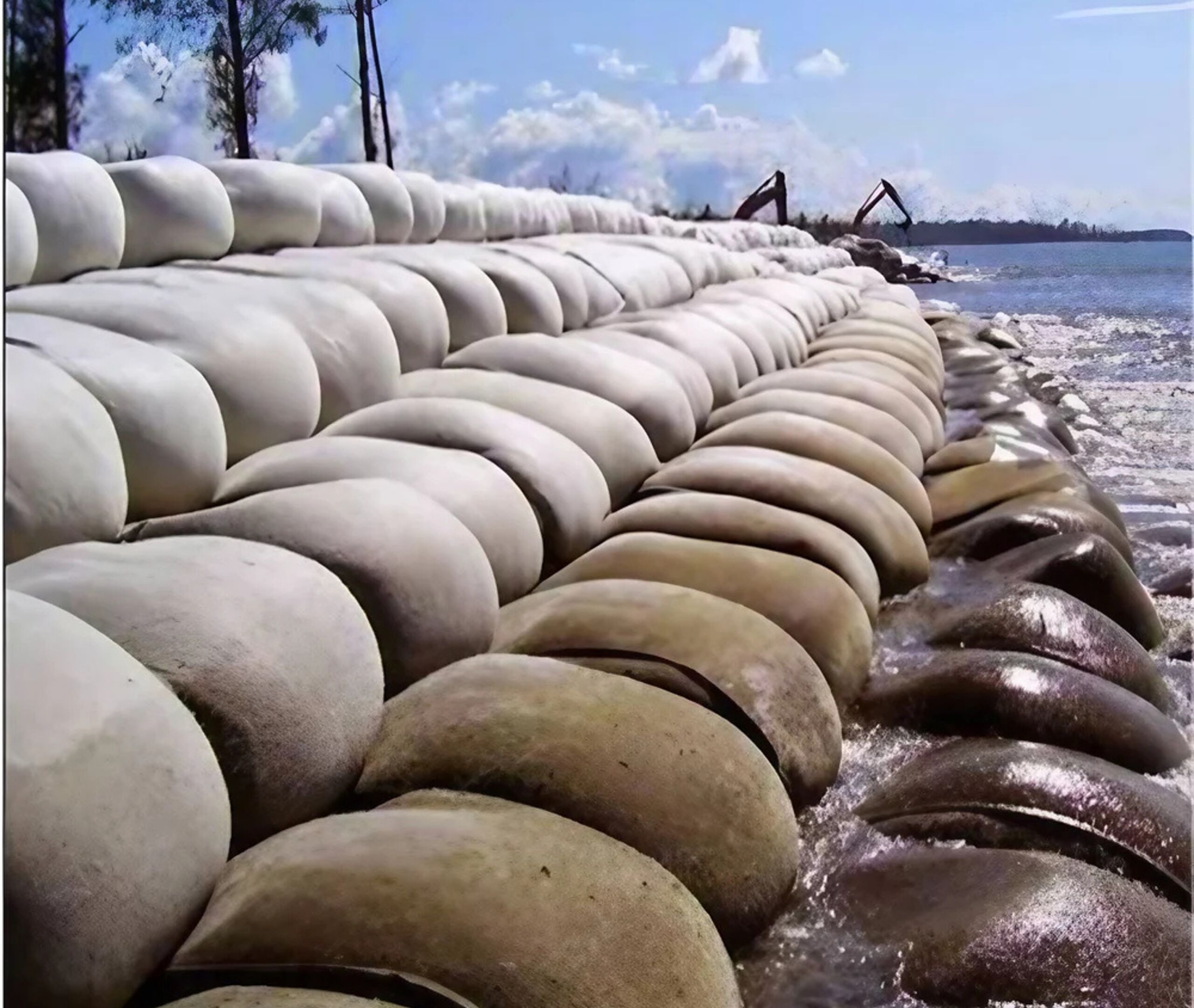
Geotextiles are integral to waterproofing systems as protective membranes for geomembranes. They are common in drainage systems where water flows freely while soil particles remain intact. In flood prevention, riverbed solutions, and coastal restoration efforts, geotextiles minimise soil erosion and ensure stability through effective filtering.
3. Erosion Control and Surface Protection
In applications such as pipe erosion protection, geotextiles are cushions against soil erosion and water flow that cause damage to pipelines. Being a unit of geosynthetics, they can adjust their structures based on diverse environmental demands.
Filtering and Protection Result
Geotextiles are the best material for construction projects that entail water management, filtration, and surface protection.
How Do Geogrid and Geotextile Differ from Each Other in Practice
A brief comparative analysis can pinpoint where each material is most efficient, depending on the requirements of a particular project:
1. Usage and Primary Purpose
Geogrids serve primarily in reinforcing structures and evenly distributing loads, and geotextiles deal with filtration and separation tasks.
2. Usage in Major Construction Projects
Geogrids work well in roads and railroads, while geotextiles are preferable for use in drains, waterproofing, and soil retention.
3. Reactivity Under Specific Environmental Conditions
Geogrids withstand deformation and loading stresses, and geotextiles regulate water flow.
Application-Based Result
In combination, they provide the required balance by combining high stability with proper water regulation.
Why You Should Know The Difference Between Geogrid and Geotextile
The Geogrid And Geotextile comparison shows the unique way in which both these materials tackle engineering requirements. While geogrids take care of the reinforcing aspect, the geotextiles are more concerned about filtration and drainage purposes. The selection of either one would entirely depend on what the construction project requires, as per its specifications. In many cases, the ideal solution lies in using the two materials together to create a system.
Supreme GeoTech, as one of the leading geotextile manufacturers in India, has a great deal of expertise in dealing with the materials. Besides manufacturing geosynthetic materials, we know how to use both geogrids and geotextiles according to the needs of each project separately. As a reliable Technical Textile Manufacturer with innovation and quality at the heart of our operations, we provide practical solutions for all modern engineering needs.
FAQs
In what situation should geogrid replace geotextile?
Use a geogrid to reinforce and support loads and a geotextile to filter and drain water.
Are geogrid and geotextile equivalent materials?
No, since they fulfil different functions.
What would determine which material to choose?
Soil conditions and project needs, among other factors.
What is the difference in structure?
Geogrid has an open grid structure, while geotextile resembles a fabric with openings.
How are the two materials differently applied?
Geogrid reinforces the soil, while geotextile manages water flow and prevents erosion.